
Filter
3065
Text search:
infants
Featured
297
972
Language
2891
78
75
51
27
19
10
9
5
5
5
4
3
3
3
2
2
2
2
2
2
2
2
2
1
1
1
1
1
1
1
1
1
1
1
1
1
1
1
1
1
1
1
1
1
1
1
1
1
Document type
2042
372
316
107
63
61
48
27
19
6
2
1
1
Countries
176
102
88
79
73
68
67
63
62
60
60
57
51
50
49
41
38
37
35
33
29
28
23
23
22
22
21
21
20
18
18
18
17
17
16
14
12
11
11
11
10
10
9
9
8
8
7
7
7
7
7
6
6
6
5
5
5
4
4
4
4
4
4
3
3
3
2
2
2
2
2
2
2
2
2
1
1
1
1
1
1
1
1
1
1
1
1
1
1
1
1
1
1
1
1
1
1
1
1
1
Authors & Publishers
340
205
146
129
117
75
66
60
52
40
39
23
22
18
18
17
16
16
16
16
15
15
15
14
14
14
14
13
13
13
12
12
12
11
11
10
10
10
10
10
10
10
10
9
9
9
9
8
8
8
8
8
8
7
7
7
6
6
6
6
6
6
6
6
6
6
6
5
5
5
5
5
5
5
5
5
5
5
5
5
5
5
5
5
5
5
5
5
5
5
5
5
5
5
5
4
4
4
4
4
4
4
4
4
4
4
4
4
4
4
4
4
4
4
4
4
4
4
4
4
4
4
4
4
4
4
3
3
3
3
3
3
3
3
3
3
3
3
3
3
3
3
3
3
3
3
3
3
3
3
3
3
3
3
3
3
3
3
3
3
3
3
3
3
3
3
3
3
3
3
3
3
3
3
3
3
3
3
3
3
3
3
3
3
3
3
3
3
3
3
3
3
3
3
3
3
3
3
2
2
2
2
2
2
2
2
2
2
2
2
2
2
2
2
2
2
2
2
2
2
2
2
2
2
2
2
2
2
2
2
2
2
2
2
2
2
2
2
2
2
2
2
2
2
2
2
2
2
2
2
2
2
2
2
2
2
2
2
2
2
2
2
2
2
2
2
2
2
2
2
2
2
2
2
2
2
2
2
2
2
2
2
2
2
2
2
2
2
2
2
2
2
2
2
2
2
2
2
2
2
2
2
2
2
2
2
2
2
2
2
2
2
2
2
2
2
2
2
2
2
2
2
2
2
2
2
2
2
2
2
2
2
2
2
2
2
2
2
2
2
2
2
2
2
2
2
2
2
2
2
2
2
2
2
2
2
2
2
2
2
2
2
2
2
2
2
2
2
2
2
2
2
2
2
2
2
2
2
2
2
2
2
2
2
2
2
2
2
2
2
2
2
2
2
2
2
2
2
2
2
2
2
2
2
2
2
2
2
2
2
2
2
2
2
2
2
2
2
2
2
2
1
1
1
1
1
1
1
1
1
1
1
1
1
1
1
1
1
1
1
1
1
1
1
1
1
1
1
1
1
1
1
1
1
1
1
1
1
1
1
1
1
1
1
1
1
1
1
1
1
1
1
1
1
1
1
1
1
1
1
1
1
1
1
1
1
1
1
1
1
1
1
1
1
1
1
1
1
1
1
1
1
1
1
1
1
1
1
1
1
1
1
1
1
1
1
1
1
1
1
1
1
1
1
1
1
1
1
1
1
1
1
1
1
1
1
1
1
1
1
1
1
1
1
1
1
1
1
1
1
1
1
1
1
1
1
1
1
1
1
1
1
1
1
1
1
1
1
1
1
1
1
1
1
1
1
1
1
1
1
1
1
1
1
1
1
1
1
1
1
1
1
1
1
1
1
1
1
1
1
1
1
1
1
1
1
1
1
1
1
1
1
1
1
1
1
1
1
1
1
1
1
1
1
1
1
1
1
1
1
1
1
1
1
1
1
1
1
1
1
1
1
1
1
1
1
1
1
1
1
1
1
1
1
1
1
1
1
1
1
1
1
1
1
1
1
1
1
1
1
1
1
1
1
1
1
1
1
1
1
1
1
1
1
1
1
1
1
1
1
1
1
1
1
1
1
1
1
1
1
1
1
1
1
1
1
1
1
1
1
1
1
1
1
1
1
1
1
1
1
1
1
1
1
1
1
1
1
1
1
1
1
1
1
1
1
1
1
1
1
1
1
1
1
1
1
1
1
1
1
1
1
1
1
1
1
1
1
1
1
1
1
1
1
1
1
1
1
1
1
1
1
1
1
1
1
1
1
1
1
1
1
1
1
1
1
1
1
1
1
1
1
1
1
1
1
1
1
1
1
1
1
1
1
1
1
1
1
1
1
1
1
1
1
1
1
1
1
1
1
1
1
1
1
1
1
1
1
1
1
1
1
1
1
1
1
1
1
1
1
1
1
1
1
1
1
1
1
1
1
1
1
1
1
1
1
1
1
1
1
1
1
1
1
1
1
1
1
1
1
1
1
1
1
1
1
1
1
1
1
1
1
1
1
1
1
1
1
1
1
1
1
1
1
1
1
1
1
1
1
1
1
1
1
1
1
1
1
1
1
1
1
1
1
1
1
1
1
1
1
1
1
1
1
1
1
1
1
1
1
1
1
1
1
1
1
1
1
1
1
1
1
1
1
1
1
1
1
1
1
1
1
1
1
1
1
1
1
1
1
1
1
1
1
1
1
1
1
1
1
1
1
1
1
1
1
1
1
1
1
1
1
1
1
1
1
1
1
1
1
1
1
1
1
1
1
1
1
1
1
1
1
1
1
1
1
1
1
1
1
1
1
1
1
1
1
1
1
1
1
1
1
1
1
1
1
1
1
1
1
1
1
1
1
1
1
1
1
1
1
1
1
1
1
1
1
1
1
1
1
1
1
1
1
1
1
1
1
1
1
1
1
1
1
1
1
1
1
1
1
1
1
1
1
1
1
1
1
1
1
1
1
1
1
1
1
1
1
1
1
1
1
1
1
1
1
1
1
1
1
1
1
1
1
1
1
1
1
1
1
1
1
1
1
1
1
1
1
1
1
1
1
1
1
1
1
1
1
1
1
1
1
1
1
1
1
1
1
1
1
1
1
1
1
1
1
1
1
1
1
1
1
1
1
1
1
1
1
1
1
1
1
1
1
1
1
1
1
1
1
1
1
1
1
1
1
1
1
1
1
1
1
1
1
1
1
1
1
1
1
1
1
1
1
1
1
1
1
1
1
1
1
1
1
1
1
1
1
1
1
1
1
1
1
1
1
1
1
1
1
1
1
1
1
1
1
1
1
1
1
1
1
1
1
1
1
1
1
1
1
1
1
1
1
1
1
1
1
1
1
1
1
1
1
1
1
1
1
1
1
1
1
1
1
1
1
1
1
1
1
1
1
1
1
1
1
1
1
1
1
1
1
1
1
1
1
1
1
1
1
1
1
1
1
1
1
1
1
1
1
1
1
1
1
1
1
1
1
1
1
1
1
1
1
1
1
1
1
1
1
1
1
1
1
1
1
1
1
1
1
1
1
1
1
1
1
1
1
1
1
1
1
1
1
1
1
1
1
1
1
1
1
1
1
1
1
1
1
1
1
1
1
1
1
1
1
1
1
1
1
1
1
1
1
1
1
1
1
1
1
1
1
1
1
1
1
1
1
1
1
1
1
1
1
1
1
1
1
1
1
1
1
1
1
1
1
1
1
1
1
1
1
1
1
1
1
1
1
1
1
1
1
1
1
1
1
1
1
1
1
1
1
1
1
1
1
1
1
1
1
1
1
1
1
1
1
1
1
1
1
1
1
1
1
1
1
1
1
1
1
1
1
1
1
1
1
1
1
1
1
1
1
1
1
1
1
1
1
1
1
1
1
1
1
1
1
1
1
1
1
1
1
1
1
1
1
1
1
1
1
1
1
1
1
1
1
1
1
1
1
1
1
1
1
1
1
1
1
1
1
1
1
1
1
1
1
1
1
1
1
1
1
1
1
1
1
1
1
1
1
1
1
1
1
1
1
1
1
1
1
1
1
1
1
1
1
1
1
1
1
1
1
1
1
1
1
1
1
1
1
1
1
1
1
1
1
1
1
1
1
1
1
1
1
1
1
1
1
1
1
1
1
1
1
1
1
1
1
1
1
1
1
1
1
1
1
1
1
1
1
1
1
1
1
1
1
1
1
1
1
1
1
1
1
1
1
1
1
1
1
1
1
1
1
1
1
1
1
1
1
1
1
1
1
1
1
1
1
1
1
1
1
1
1
1
1
1
1
1
1
1
1
1
1
1
1
1
1
1
1
1
1
1
1
1
1
1
1
1
1
1
1
1
1
1
1
1
1
1
1
1
1
1
1
1
1
1
1
1
1
1
1
1
1
1
1
1
1
1
1
1
1
1
1
1
1
1
1
1
1
1
1
1
1
1
1
1
1
1
1
1
1
1
1
1
1
1
1
1
1
1
1
1
1
1
1
1
1
1
1
1
1
1
1
1
1
1
1
1
1
1
1
1
1
1
1
1
1
1
1
1
1
1
1
1
1
1
1
1
1
1
1
1
1
1
1
1
1
1
1
1
1
1
1
1
1
1
1
1
1
1
1
1
1
1
1
1
1
1
1
1
1
1
1
1
1
1
1
1
1
1
1
1
1
1
1
1
1
1
1
1
1
1
1
1
1
1
1
1
1
1
1
1
1
1
1
1
1
1
1
1
1
1
1
1
1
1
1
1
1
1
1
1
1
1
1
1
1
1
1
1
1
1
1
1
1
1
1
1
1
1
1
1
1
1
1
1
1
1
1
1
1
1
1
1
1
1
1
1
1
1
1
1
1
1
1
1
1
1
1
1
1
1
1
1
1
1
1
1
1
1
1
1
1
1
1
1
1
1
1
1
1
1
1
1
1
1
1
1
1
1
1
1
1
1
1
1
1
1
1
1
1
1
1
1
1
1
1
1
1
1
1
1
1
1
1
1
1
1
1
1
1
1
1
1
1
1
1
1
1
1
1
1
1
1
1
1
1
1
1
1
1
1
1
1
1
1
1
1
1
1
1
1
1
1
1
1
1
1
1
1
1
1
1
1
1
1
1
1
1
1
1
1
1
1
1
1
1
1
1
1
1
1
1
1
1
1
1
1
1
1
1
1
1
1
1
1
1
1
1
1
1
1
1
1
1
1
1
1
1
1
1
1
1
1
1
1
1
1
1
1
1
1
1
1
1
1
1
1
1
1
1
1
1
1
1
1
1
1
1
1
1
1
1
1
1
1
1
1
1
1
1
1
1
1
1
1
1
1
1
1
1
1
1
1
1
1
1
1
1
1
1
1
1
1
1
1
1
1
1
1
1
1
1
1
1
1
1
1
1
1
1
1
1
1
1
1
1
1
1
1
1
1
1
1
1
1
1
1
1
1
1
1
1
1
1
1
1
1
1
1
1
1
1
1
1
1
1
1
1
1
1
1
1
1
1
1
1
1
1
1
1
1
1
1
1
1
1
1
1
1
1
1
1
1
1
1
1
1
1
1
1
1
1
1
1
1
1
1
1
1
1
1
1
1
1
1
1
1
1
1
1
1
1
1
1
1
1
1
1
1
1
1
1
1
1
1
1
1
1
1
1
1
1
1
1
1
1
1
1
1
1
1
1
1
1
1
1
1
1
1
1
1
1
1
1
1
1
1
1
1
1
1
1
1
1
1
1
1
1
1
1
1
1
1
1
1
1
1
1
1
1
1
1
1
1
1
1
1
1
1
1
1
1
1
1
1
1
1
1
1
1
1
1
1
1
1
1
1
1
1
1
1
1
1
1
1
1
1
1
1
1
1
1
1
1
1
1
1
1
1
1
1
1
1
1
1
1
1
1
1
1
1
1
1
1
1
1
1
1
1
1
1
1
1
1
1
1
1
1
1
1
1
1
1
1
1
1
1
1
1
1
1
1
1
1
1
1
1
1
1
1
1
1
1
1
1
1
1
1
1
1
1
1
1
1
1
1
1
1
1
1
1
1
Publication Years
566
2125
354
18
2
Category
1361
362
330
111
76
71
17
1
Toolboxes
341
149
136
133
84
78
71
60
58
53
47
45
43
37
37
32
31
27
22
15
12
8
4
1
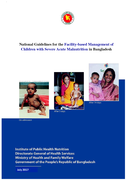
Level of stunting among Bangladeshi children <5years declined from 51% in 2004 to 36% and underweight from 41% in 2007 to 33% (BDHS 2014). But the decrease in wasting rate is not as expected, which is only from 17% to 14.3 % over last decade. Approximately 3.1 % (BDHS 2014) of under-5 children suffering from SAM only b
...
y weight-for-length or height z-score (WHZ) <-3 criterion and estimated to be a total of ~ 450,000. Because, there are no national information on prevalence of SAM using mid upper arm circumference (MUAC) and presence of bipedal oedema in under-5 children, thus the actual number of children suffering from SAM could be much higher than the current estimate.
more
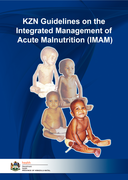
The current guidelines on Integrated Management of Acute Malnutrition (IMAM), addresses the issue of improved management of severe acute malnutrition (SAM), particularly in children under 5 years of age. In the absence of standard protocols, mortality in children admitted to hospital with SAM can ra
...
nge between 20 -30% with the highest levels of 50-60% among those with oedematous malnutrition. With modern treatment regimens and improved access to treatment, case-fatality rates can be reduced to less than 5%. These provincial guidelines on IMAM in KZN, includes inpatient care protocols on the management of SAM, and outpatient and community outreach components to manage moderate acute malnutrition (MAM) and prevent deterioration to SAM.
more

The objectives of this guidance document are to:
1. Strengthen the capacity of country teams to effectively scale up and manage programmes to address severe acute malnutrition
2. Extend the geographic reach of quality treatment for SAM to all vulnerable communities in need
3. Maximize ... access to appropriate and quality treatment for SAM among all eligible children in the community at all times
4. Aid the formulation and implementation of national policies and strategies that support objectives 1 to 3
5. Aid the creation of an enabling environment that supports objectives 1 to 3 through advocacy, documentation of successful practices, support for operational research, mobilization of resources and collaboration with partners more
1. Strengthen the capacity of country teams to effectively scale up and manage programmes to address severe acute malnutrition
2. Extend the geographic reach of quality treatment for SAM to all vulnerable communities in need
3. Maximize ... access to appropriate and quality treatment for SAM among all eligible children in the community at all times
4. Aid the formulation and implementation of national policies and strategies that support objectives 1 to 3
5. Aid the creation of an enabling environment that supports objectives 1 to 3 through advocacy, documentation of successful practices, support for operational research, mobilization of resources and collaboration with partners more

The Indonesian government has reformed its laws, policies, and institutions to better manage disaster risk since the significant 2004 Indian Ocean Tsunami. The Government of Indonesia now has contingency plans for every disaster-prone city which identifies its vulnerabilities, outlines the relief re
...
sponse, and builds overall preparedness. In 2007, the government introduced a disaster management bill that incorporated disaster management prevention into disaster management response. In 2008, Indonesia created the National Disaster Management Agency (Badan Nasional Penanggulangan Bencana, BNPB). The new shift led to the strengthening of the country’s disaster management agency, and the addition of district branches and representatives. Despite the progress made, more work is needed at the local level as well as integration of disaster risk reduction in government departments.11 Under Indonesia’s 2007 Disaster Management law, provincial and district administrations are mandated to head disaster management during a crisis.
more

National Tuberculosis Control Program; Mycobacterial Disease Control National AIDS/STD Program

The prevalence of chronic non-communicable diseases such as diabetes, cardiovascular diseases and cancers has been on the increase in Kenya in the recent past. This has been occasioned by changes in social and demographic situation in the country. The life expectancy
...
in the country is improving, while the country is developing at a rapid pace. This has resulted in people living more years and at the time adopting lifestyles that have negative impacts on their health. This increase in diabetes and other non-communicable diseases has given rise to a double burden of communicable and non-communicable diseases in Kenya
more
This programmatic brief explores how to expand HIV and STI prevention and contraceptive method options in contraceptive services and, thus, to reduce HIV and STI incidence among adolescent girls and women. It focuses on settings with extremely high HIV prevalence and incidence. This brief complement
...
s existing guidance on HIV prevention and sexual and reproductive health and rights (SRHR), amplifies calls for action and outlines more comprehensive approaches to integration of SRHR and HIV services. It also emphasizes the importance of SRHR for women living with HIV. It aligns with updated WHO recommendations for contraceptive eligibility for women at high risk of HIV and other HIV guidance for adolescent girls and young women.
more

With the goal of ending viral hepatitis as a public health threat by 2030, the Regional Action Plan will provide an actionable framework for implementing evidence-based interventions at scale. It will be informed through strategic monitoring of the response, that must be equitable and sustainable an
...
d allow for innovations for acceleration and reaching out to all in need with health services. A major reduction in prices of newer drugs to potentially cure hepatitis C offers an added opportunity to work towards its elimination.
more

National Strategic Plan for Newborn and Child Health Development (2015-2018)
The Republic of the Union of Myanmar, Ministry of Health, Department of Health, Child Health Division
World Health Organization (WHO), Country Office for Myanmar
(2015)
C_WHO
No publication year indicated
The specific objectives of the plan are to:
- Scale up evidence-based, cost effective interventions through effective strategies within a HSS approach and provide equitable coverage with quality.
- Reduce neonatal mortality by improved home-based newborn ... care, early identification of sick newborns and improved access to institutional newborn care of adequate quality.
- Reduce common childhood illness related mortality (due to pneumonia and diarrhoea in all areas and malaria in endemic areas) by improving key family and community practices, community-based early diagnosis and management and referral care for complicated cases. more
The specific objectives of the plan are to:
- Scale up evidence-based, cost effective interventions through effective strategies within a HSS approach and provide equitable coverage with quality.
- Reduce neonatal mortality by improved home-based newborn ... care, early identification of sick newborns and improved access to institutional newborn care of adequate quality.
- Reduce common childhood illness related mortality (due to pneumonia and diarrhoea in all areas and malaria in endemic areas) by improving key family and community practices, community-based early diagnosis and management and referral care for complicated cases. more
Vision Statement
From birth to 8 years of age, all children of the Republic of the Union of Myanmar will receive holistic, high-quality and developmentally-appropriate care from their parents, caregivers and service providers to ensure they will be happy, healthy, well nourished, socially adept ... , emotionally balanced and well protected in conditions of freedom, equity and dignity in order to contribute positively to their families, communities and the nation. more
From birth to 8 years of age, all children of the Republic of the Union of Myanmar will receive holistic, high-quality and developmentally-appropriate care from their parents, caregivers and service providers to ensure they will be happy, healthy, well nourished, socially adept ... , emotionally balanced and well protected in conditions of freedom, equity and dignity in order to contribute positively to their families, communities and the nation. more

Over the period 2015 to 2019, scaling up a package of selected nutrition-specific and nutrition sensitive interventions to cover 90 per cent of Sudan would:
- Reduce the under-five mortality rate to 49/1,000 live births
- Reduce the prevalence of stunting to 25 per cent
- Reduce the ... prevalence of wasting (global acute malnutrition – GAM) to 6 per cent
- Increase exclusive breastfeeding to 63 per cent
- Reduce iron deficiency anaemia among pregnant women to 26 per cent. more
- Reduce the under-five mortality rate to 49/1,000 live births
- Reduce the prevalence of stunting to 25 per cent
- Reduce the ... prevalence of wasting (global acute malnutrition – GAM) to 6 per cent
- Increase exclusive breastfeeding to 63 per cent
- Reduce iron deficiency anaemia among pregnant women to 26 per cent. more
Reporting period: January 2014 – December 2014
The human immunodeficiency virus (HIV) epidemic in Myanmar is concentrated among men who have sex with men (MSM), people who inject drugs (PWID) and female sex workers (FSW). HIV prevalence in the adult population aged 15 years and older was esti ... mated at 0.54% in 2014. But data from HIV Sentinel Sero-Surveillance (HSS) indicates higher prevalence in 2014 among key populations: FSW 6.3%, MSM 6.6% and PWID 23.1%. Compared to 2012 data, the prevalence has declined from 7.1% in FSW and 8.9% in MSM, but has increased from 18% in PWID.
Epidemiological modelling suggests that in 2014 there were around 212,000 people living with HIV (PLHIV) in Myanmar, 34% of whom were females. Nearly 11,000 people died of HIV-related illnesses, compared to approximately 15,000 in 2011. An estimated 9,000 new infections occurred in 2014. more
The human immunodeficiency virus (HIV) epidemic in Myanmar is concentrated among men who have sex with men (MSM), people who inject drugs (PWID) and female sex workers (FSW). HIV prevalence in the adult population aged 15 years and older was esti ... mated at 0.54% in 2014. But data from HIV Sentinel Sero-Surveillance (HSS) indicates higher prevalence in 2014 among key populations: FSW 6.3%, MSM 6.6% and PWID 23.1%. Compared to 2012 data, the prevalence has declined from 7.1% in FSW and 8.9% in MSM, but has increased from 18% in PWID.
Epidemiological modelling suggests that in 2014 there were around 212,000 people living with HIV (PLHIV) in Myanmar, 34% of whom were females. Nearly 11,000 people died of HIV-related illnesses, compared to approximately 15,000 in 2011. An estimated 9,000 new infections occurred in 2014. more
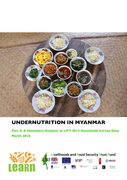
Undernutrition in Myanmar. Part 2: A Secondary Analysis of LIFT 2013 Household Survey Data
Zaw Win; Cashin, Jennifer
Leveraging Essential Nutrition Actions to Reduce Malnutrition (LEARN)
(2016)
C1
In order to better understand the contributing factors of undernutrition in LIFT program areas and the links between child nutritional status and independent variables of programmatic importance to LIFT (such as income, livelihoods, food security, and water, sanitation and hygiene [WASH]), LEARN com
...
missioned a secondary analysis of nutrition-related data from the 2013 LIFT Household Survey. The purpose of this report is to present the findings of this analysis.
more
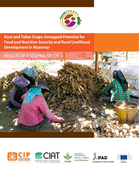
This scoping study done in Myanmar offers the chance for FoodSTART+ to explore prospects for future partnerships in another important country of the region. The study was done from October 2016 to February 2017 and included visits to selected major potato and cassava production areas to meet with re
...
spective stakeholders and market actors.
Although root and tuber crop (RTC) production in Myanmar has gradually increased since the late 1990s, they still lag behind the other major crops like rice. No RTCs are included in the country’s list of primary important crops even though potatoes are regularly consumed in daily meals while other common RTCs like cassava, elephant foot yam and sweetpotato are consumed occasionally. RTCs primarily contribute to food security and livelihoods through the income generated from their sale, whether fresh or processed, rather than directly through consumption. more
Although root and tuber crop (RTC) production in Myanmar has gradually increased since the late 1990s, they still lag behind the other major crops like rice. No RTCs are included in the country’s list of primary important crops even though potatoes are regularly consumed in daily meals while other common RTCs like cassava, elephant foot yam and sweetpotato are consumed occasionally. RTCs primarily contribute to food security and livelihoods through the income generated from their sale, whether fresh or processed, rather than directly through consumption. more
The Border Consortium (TBC) developed a comprehensive Training of Trainers Nutrition Curriculum which includes 12 Modules (6 Basic and 6 Advanced topics). The Manual provides trainers with standardized methods and content to deliver nutrition training.
Original file: 25 MB
Original file: 25 MB


The main objective of the malaria prevention and control programme in Somalia is to prevent mortality and reduce morbidity due to malaria. The groups most vulnerable to the disease, children aged under 5 years and pregnant women, are especially targeted. Effective case management - early diagnosis a
...
nd treatment - is a critical component of malaria prevention and control. To achieve the main objective of reducing malaria morbidity and prevention of malaria mortality, the availability of safe, effective, affordable and accessible anti-malarial drugs is a prerequisite.
more
