
Filter
3985
Text search:
security
measures
Featured
330
1136
Language
3892
97
71
59
52
35
26
16
8
7
7
6
6
6
5
5
5
5
5
5
4
4
4
4
4
3
3
3
3
3
3
3
3
3
3
3
2
2
2
2
2
2
2
2
2
2
2
2
2
2
1
1
1
1
1
1
1
1
1
Document type
2176
758
430
208
204
89
56
52
5
4
2
1
Countries
167
133
118
109
108
107
97
95
89
73
73
67
66
61
59
59
58
54
53
51
50
43
43
41
38
34
33
32
31
31
30
29
29
28
26
26
26
26
25
25
24
22
22
21
21
21
20
19
19
17
17
16
16
15
15
14
13
13
12
12
12
12
10
10
10
8
7
7
7
6
6
6
6
5
5
5
5
4
4
4
4
4
4
4
4
4
4
4
3
3
3
3
3
3
3
3
3
3
3
3
3
3
3
3
2
2
2
2
2
2
2
2
2
2
2
2
2
2
2
1
1
1
1
1
1
1
1
1
1
1
1
1
1
1
1
1
1
1
1
1
1
1
1
1
1
1
1
1
Authors & Publishers
445
173
131
95
90
80
76
65
43
41
37
29
29
28
27
26
25
25
25
23
23
22
20
20
20
20
20
19
18
18
18
17
16
15
15
14
14
13
13
13
13
12
12
12
12
12
11
11
11
11
11
11
10
10
10
10
10
10
10
10
9
9
9
9
9
8
8
8
8
8
8
8
8
8
8
7
7
7
7
7
7
7
7
7
7
7
7
6
6
6
6
6
6
6
6
6
6
6
6
6
6
6
6
6
5
5
5
5
5
5
5
5
5
5
5
5
5
5
5
5
5
5
5
5
5
5
5
5
5
5
4
4
4
4
4
4
4
4
4
4
4
4
4
4
4
4
4
4
4
4
4
4
4
4
4
4
4
4
4
4
4
4
4
4
4
4
3
3
3
3
3
3
3
3
3
3
3
3
3
3
3
3
3
3
3
3
3
3
3
3
3
3
3
3
3
3
3
3
3
3
3
3
3
3
3
3
3
3
3
3
3
3
3
3
3
3
3
3
3
3
3
3
3
3
3
3
3
3
3
3
3
3
3
3
3
3
3
3
3
3
3
3
3
3
3
3
3
3
3
3
3
3
3
3
3
3
3
3
3
3
3
2
2
2
2
2
2
2
2
2
2
2
2
2
2
2
2
2
2
2
2
2
2
2
2
2
2
2
2
2
2
2
2
2
2
2
2
2
2
2
2
2
2
2
2
2
2
2
2
2
2
2
2
2
2
2
2
2
2
2
2
2
2
2
2
2
2
2
2
2
2
2
2
2
2
2
2
2
2
2
2
2
2
2
2
2
2
2
2
2
2
2
2
2
2
2
2
2
2
2
2
2
2
2
2
2
2
2
2
2
2
2
2
2
2
2
2
2
2
2
2
2
2
2
2
2
2
2
2
2
2
2
2
2
2
2
2
2
2
2
2
2
2
2
2
2
2
2
2
2
2
2
2
2
2
2
2
2
2
2
2
2
2
2
2
2
2
2
2
2
2
2
2
2
2
2
2
2
2
2
2
2
2
2
2
2
2
2
2
2
2
2
2
2
2
2
2
2
2
2
2
2
2
2
2
2
2
2
2
2
2
2
2
2
2
2
2
2
2
2
2
2
2
2
2
2
2
2
2
2
2
2
2
2
2
1
1
1
1
1
1
1
1
1
1
1
1
1
1
1
1
1
1
1
1
1
1
1
1
1
1
1
1
1
1
1
1
1
1
1
1
1
1
1
1
1
1
1
1
1
1
1
1
1
1
1
1
1
1
1
1
1
1
1
1
1
1
1
1
1
1
1
1
1
1
1
1
1
1
1
1
1
1
1
1
1
1
1
1
1
1
1
1
1
1
1
1
1
1
1
1
1
1
1
1
1
1
1
1
1
1
1
1
1
1
1
1
1
1
1
1
1
1
1
1
1
1
1
1
1
1
1
1
1
1
1
1
1
1
1
1
1
1
1
1
1
1
1
1
1
1
1
1
1
1
1
1
1
1
1
1
1
1
1
1
1
1
1
1
1
1
1
1
1
1
1
1
1
1
1
1
1
1
1
1
1
1
1
1
1
1
1
1
1
1
1
1
1
1
1
1
1
1
1
1
1
1
1
1
1
1
1
1
1
1
1
1
1
1
1
1
1
1
1
1
1
1
1
1
1
1
1
1
1
1
1
1
1
1
1
1
1
1
1
1
1
1
1
1
1
1
1
1
1
1
1
1
1
1
1
1
1
1
1
1
1
1
1
1
1
1
1
1
1
1
1
1
1
1
1
1
1
1
1
1
1
1
1
1
1
1
1
1
1
1
1
1
1
1
1
1
1
1
1
1
1
1
1
1
1
1
1
1
1
1
1
1
1
1
1
1
1
1
1
1
1
1
1
1
1
1
1
1
1
1
1
1
1
1
1
1
1
1
1
1
1
1
1
1
1
1
1
1
1
1
1
1
1
1
1
1
1
1
1
1
1
1
1
1
1
1
1
1
1
1
1
1
1
1
1
1
1
1
1
1
1
1
1
1
1
1
1
1
1
1
1
1
1
1
1
1
1
1
1
1
1
1
1
1
1
1
1
1
1
1
1
1
1
1
1
1
1
1
1
1
1
1
1
1
1
1
1
1
1
1
1
1
1
1
1
1
1
1
1
1
1
1
1
1
1
1
1
1
1
1
1
1
1
1
1
1
1
1
1
1
1
1
1
1
1
1
1
1
1
1
1
1
1
1
1
1
1
1
1
1
1
1
1
1
1
1
1
1
1
1
1
1
1
1
1
1
1
1
1
1
1
1
1
1
1
1
1
1
1
1
1
1
1
1
1
1
1
1
1
1
1
1
1
1
1
1
1
1
1
1
1
1
1
1
1
1
1
1
1
1
1
1
1
1
1
1
1
1
1
1
1
1
1
1
1
1
1
1
1
1
1
1
1
1
1
1
1
1
1
1
1
1
1
1
1
1
1
1
1
1
1
1
1
1
1
1
1
1
1
1
1
1
1
1
1
1
1
1
1
1
1
1
1
1
1
1
1
1
1
1
1
1
1
1
1
1
1
1
1
1
1
1
1
1
1
1
1
1
1
1
1
1
1
1
1
1
1
1
1
1
1
1
1
1
1
1
1
1
1
1
1
1
1
1
1
1
1
1
1
1
1
1
1
1
1
1
1
1
1
1
1
1
1
1
1
1
1
1
1
1
1
1
1
1
1
1
1
1
1
1
1
1
1
1
1
1
1
1
1
1
1
1
1
1
1
1
1
1
1
1
1
1
1
1
1
1
1
1
1
1
1
1
1
1
1
1
1
1
1
1
1
1
1
1
1
1
1
1
1
1
1
1
1
1
1
1
1
1
1
1
1
1
1
1
1
1
1
1
1
1
1
1
1
1
1
1
1
1
1
1
1
1
1
1
1
1
1
1
1
1
1
1
1
1
1
1
1
1
1
1
1
1
1
1
1
1
1
1
1
1
1
1
1
1
1
1
1
1
1
1
1
1
1
1
1
1
1
1
1
1
1
1
1
1
1
1
1
1
1
1
1
1
1
1
1
1
1
1
1
1
1
1
1
1
1
1
1
1
1
1
1
1
1
1
1
1
1
1
1
1
1
1
1
1
1
1
1
1
1
1
1
1
1
1
1
1
1
1
1
1
1
1
1
1
1
1
1
1
1
1
1
1
1
1
1
1
1
1
1
1
1
1
1
1
1
1
1
1
1
1
1
1
1
1
1
1
1
1
1
1
1
1
1
1
1
1
1
1
1
1
1
1
1
1
1
1
1
1
1
1
1
1
1
1
1
1
1
1
1
1
1
1
1
1
1
1
1
1
1
1
1
1
1
1
1
1
1
1
1
1
1
1
1
1
1
1
1
1
1
1
1
1
1
1
1
1
1
1
1
1
1
1
1
1
1
1
1
1
1
1
1
1
1
1
1
1
1
1
1
1
1
1
1
1
1
1
1
1
1
1
1
1
1
1
1
1
1
1
1
1
1
1
1
1
1
1
1
1
1
1
1
1
1
1
1
1
1
1
1
1
1
1
1
1
1
1
1
1
1
1
1
1
1
1
1
1
1
1
1
1
1
1
1
1
1
1
1
1
1
1
1
1
1
1
1
1
1
1
1
1
1
1
1
1
1
1
1
1
1
1
1
1
1
1
1
1
1
1
1
1
1
1
1
1
1
1
1
1
1
1
1
1
1
1
1
1
1
1
1
1
1
1
1
1
1
1
1
1
1
1
1
1
1
1
1
1
1
1
1
1
1
1
1
1
1
1
1
1
1
1
1
1
1
1
1
1
1
1
1
1
1
1
1
1
1
1
1
1
1
1
1
1
1
1
1
1
1
1
1
1
1
1
1
1
1
1
1
1
1
1
1
1
1
1
1
1
1
1
1
1
1
1
1
1
1
1
1
1
1
1
1
1
1
1
1
1
1
1
1
1
1
1
1
1
1
1
1
1
1
1
1
1
1
1
1
1
1
1
1
1
1
1
1
1
1
1
1
1
1
1
1
1
1
1
1
1
1
1
1
1
1
1
1
1
1
1
1
1
1
1
1
1
1
1
1
1
1
1
1
1
1
1
1
1
1
1
1
1
1
1
1
1
1
1
1
1
1
1
1
1
1
1
1
1
1
1
1
1
1
1
1
1
1
1
1
1
1
1
1
1
1
1
1
1
1
1
1
1
1
1
1
1
1
1
1
1
1
1
1
1
1
1
1
1
1
1
1
1
1
1
1
1
1
1
1
1
1
1
1
1
1
1
1
1
1
1
1
1
1
1
1
1
1
1
1
1
1
1
1
1
1
1
1
1
1
1
1
1
1
1
1
1
1
1
1
1
1
1
1
1
1
1
1
1
1
1
1
1
1
1
1
1
1
1
1
1
1
1
1
1
1
1
1
1
1
1
1
1
1
1
1
1
1
1
1
1
1
1
1
1
1
1
1
1
1
1
1
1
1
1
1
1
1
1
1
1
1
1
1
1
1
1
1
1
1
1
1
1
1
1
1
1
1
1
1
1
1
1
1
1
1
1
1
1
1
1
1
1
1
1
1
1
1
1
1
1
1
1
1
1
1
1
1
1
1
1
1
1
1
1
1
1
1
1
1
1
1
1
1
1
1
1
1
1
1
1
1
1
1
1
1
1
1
1
1
1
1
1
1
1
1
1
1
1
1
1
1
1
1
1
1
1
1
1
1
1
1
1
1
1
1
1
1
1
1
1
1
1
1
1
1
1
1
1
1
1
1
1
1
1
1
1
1
1
1
1
1
1
1
1
1
1
1
1
1
1
1
1
1
1
1
1
1
1
1
1
1
1
1
1
1
1
1
1
1
1
1
1
1
1
1
1
1
1
1
1
1
1
1
1
1
1
1
1
1
1
1
1
1
1
1
1
1
1
1
1
1
1
1
1
1
1
1
1
1
1
1
1
1
1
1
1
1
1
1
1
1
1
1
1
1
1
1
1
1
1
1
1
1
1
1
1
1
1
1
1
1
1
1
1
1
1
1
1
1
1
1
1
1
1
1
1
1
1
1
1
1
1
1
1
1
1
1
1
1
1
1
1
1
1
1
1
1
1
1
1
1
1
1
1
1
1
1
1
1
1
1
1
1
1
1
1
1
1
1
1
1
1
1
1
1
1
1
1
1
1
1
1
1
1
1
1
1
1
1
1
1
1
1
1
1
1
1
1
1
1
1
1
1
1
1
1
1
1
1
1
1
1
1
1
1
1
1
1
1
1
1
1
1
1
1
1
1
1
1
1
1
1
1
1
1
1
1
1
1
1
1
1
1
1
1
1
1
1
1
1
1
1
1
1
1
1
1
1
1
1
1
1
1
1
1
1
1
1
1
1
1
1
1
1
1
1
1
1
1
1
1
1
1
1
1
1
1
1
1
1
1
1
1
1
1
1
1
1
1
1
1
1
1
1
1
1
1
1
1
1
1
1
1
1
1
1
1
1
1
1
1
1
1
1
1
1
1
1
1
1
1
1
1
1
1
1
1
1
1
1
1
1
1
1
1
1
1
1
1
1
1
1
1
1
1
1
1
1
1
1
1
1
1
1
1
1
1
1
1
1
1
1
1
1
1
1
1
1
1
1
1
1
1
1
1
1
1
1
1
1
1
1
1
1
1
1
1
1
1
1
1
1
1
1
1
1
1
1
1
1
1
1
1
1
1
1
1
1
1
1
1
1
1
1
1
1
1
1
1
1
1
1
1
1
1
1
1
1
1
1
1
1
1
1
1
1
1
1
1
1
1
1
1
1
1
1
1
1
1
1
1
1
1
1
1
1
1
1
1
1
1
1
1
1
1
1
1
1
1
1
1
1
1
1
1
1
1
1
1
1
1
1
1
1
1
1
1
1
1
1
1
1
1
1
1
1
1
1
1
1
1
1
1
1
1
1
1
1
1
1
1
1
1
1
1
1
1
1
1
1
1
1
1
1
1
1
1
1
1
1
1
1
1
1
1
1
1
1
1
1
1
1
1
1
1
1
1
1
1
1
1
1
1
1
1
1
1
1
1
1
1
1
1
1
1
1
1
1
1
1
1
1
1
1
1
1
1
1
1
1
1
1
1
1
1
1
1
1
1
1
1
1
1
1
1
1
1
1
1
1
1
1
1
1
1
1
1
1
1
1
1
1
1
1
1
1
1
1
1
1
1
1
1
1
1
1
1
1
1
1
1
1
1
1
1
1
1
1
1
1
1
1
1
1
1
1
1
1
1
1
1
1
1
1
1
1
1
1
1
1
1
1
1
1
1
1
1
1
1
1
1
1
1
1
1
1
1
1
1
1
1
1
1
1
1
1
1
1
1
1
1
1
1
1
1
1
1
1
1
1
1
1
1
1
1
1
1
1
1
1
1
1
1
1
1
1
1
1
1
1
1
1
1
1
1
1
1
1
1
1
1
1
1
1
1
1
1
1
1
1
1
1
1
1
1
1
1
1
1
1
1
1
1
1
1
1
1
1
1
1
1
1
1
1
1
1
1
1
1
1
1
1
1
1
1
1
1
1
1
1
1
1
1
1
1
1
1
1
1
1
1
1
1
1
1
1
1
1
1
1
1
1
1
1
1
1
1
1
1
1
1
1
1
1
1
1
1
1
1
1
1
1
1
1
1
1
1
1
1
1
1
1
1
1
1
1
1
1
1
1
1
1
1
1
1
1
1
1
1
1
1
1
1
1
1
1
1
1
1
1
1
1
1
1
1
1
1
1
1
1
1
1
1
1
1
1
1
1
1
1
1
1
1
1
1
1
1
1
1
1
1
1
1
1
1
1
1
1
1
1
1
1
1
1
1
1
1
1
1
1
1
1
1
1
1
1
1
1
1
1
1
1
1
1
1
1
1
1
1
1
1
1
1
1
1
1
1
1
1
1
1
1
1
1
1
1
1
1
1
1
1
1
1
1
1
1
1
1
1
1
1
1
1
1
1
1
1
1
1
1
1
1
1
1
1
1
1
1
1
1
1
1
1
1
1
1
1
1
1
1
1
1
1
1
1
1
1
1
1
1
1
1
1
1
1
1
1
1
1
1
1
1
1
1
1
1
1
1
1
1
1
1
1
1
1
1
1
1
1
1
1
Publication Years
1
1285
2349
325
21
1
1
2
Category
1486
221
177
175
125
48
20
8
4
Toolboxes
476
251
241
240
191
188
156
151
136
131
121
106
94
70
46
43
41
38
30
27
27
18
10
6
2
2
This inter-agency guidance document aims to supplement the COVAX demand creation package for COVID-19 vaccines with key considerations for humanitarian contexts and marginalized populations with specific access and communication needs.
21 Sept.2021
This publication is a companion document to the NDVP National Deployment and Vaccination Plans guidance, which provides a framework for countries to develop their national strategies. As countries face challenges with erratic vaccine supplies, use of multiple vaccine products with different charact
...
eristics, and the size of populations and their diversity, this document provides operational guidance and information to support planners and immunization programme managers at the national and sub-national levels on microplanning for COVID-19 vaccination implementation.
This Guide is available in English, French, Arabic, chinese, Portuguese, Spanish, Russian
more
International health regulations (2005): state party self-assessment annual reporting tool, 2nd ed
Second edition.
AVailable in English, French, Spanish, Russian, Chinese and Portuguese
The Guidelines for the Prevention, Surveillance and Management of COVID-19 Infection amongst Health Care Workers (HCW) in Zimbabwe were developed to prevent, detect and manage HCW COVID-19 infection, an emerging pandemic affecting the whole world. The HCW is at the fore front of this pandemic, thus
...
the need for standardised operating procedures is of utmost importance. These guidelines therefore seek to reduce the significant morbidity and mortality among the HCW, ultimately ensuring the reduction of the cost to the health care worker and the Ministry of Health and Child Care (MoHCC) as a whole. The Ministry of Health and Child Care requires that all health care workers in various health care settings follow infection prevention and control procedures.
more

Since the beginning of the Ukraine crisis on 24 February 2022, WHO has supported Government-led efforts and initiatives alongside key partners on the ground. Building on efforts to date, and working alongside Bulgaria’s health authorities to bring added value to existing mechanisms, the WHO Countr
...
y Office Bulgaria, the WHO Regional Office for Europe and the WHO Health and Migration Programme, in close collaboration with the Ministry of Health of Bulgaria and key partners, undertook a joint review mission to support Bulgaria, with a focus on addressing the health system needs of refugees, migrants, asylum seekers and vulnerable host populations in Bulgaria.
The assessment team developed this report on the key findings and a package of potential interventions based on the opportunities identified and the need for technical support and assistance. The report summarizes concrete areas of work for which collaborations can be further strengthened. The joint review team identified key recommendations for consideration across 8 priority areas. The report and the outcomes of the review mission serve as a basis for future technical collaboration in the area of refugee health, to address the health needs of refugees and third-country nationals fleeing from Ukraine.
more

The application of digital health technology is growing at a rapid rate in Africa, with the goals of improving the delivery of healthcare services and more effectively reaching out to remote and underserved communities. The lack of enabling guidelines and standards across the continent, on the other
...
hand, makes it difficult to share data in a meaningful way across the continent.
Considering this, Africa Centres for Disease Control and Prevention (Africa CDC) established a task force of 24 members to provide expertise and guidance in the development of AU HIE guidelines and standards. Members of the task force were subject matter experts working in Africa and internationally on the collection, analysis, and exchange of health information. Some of these experts had been involved in previous consultations on defining Africa CDC’s health information systems strategy. A chairperson, co-chairperson, and secretary were elected to engage the task force members in different technical working groups.
more
The importance of robust mortality surveillance systems cannot be overstated in an era marked by increasing global health challenges where health threats loom large and population dynamics continue to evolve. Accurate and timely mortality data is essential for identifying trends and detecting emergi
...
ng health threats, evaluating the impact of interventions, and guiding evidence-based policy decisions.
This framework outlines a holistic approach to strengthening routine mortality surveillance systems, considering the unique contextual factors and challenges faced by African countries. It emphasizes the importance of establishing efficient data collection mechanisms, enhancing data quality and completeness, and promoting data sharing and collaboration among stakeholders.
Moreover, the framework recognizes the pivotal role of technology in the integration of data from fragmented mortality data sources. It highlights the potential of innovative data capture methods, advanced analytics, and real-time reporting systems to enhance mortality data’s accuracy, efficiency, and timeliness.
The continental framework for mortality surveillance aligns with Africa CDC’s mission and strategic goal by serving as a fundamental component in strengthening public health systems, enhancing disease surveillance capacities and capabilities, informing evidence-based policies and interventions, and promoting collaboration and coordination among African countries to address health challenges and improve health outcomes on the continent.
The successful implementation of this framework requires collective commitment and concerted efforts from governments, health institutions, and the international community. We hope this document will serve as a catalyst for transformative change, enabling countries to build resilient mortality surveillance systems that protect public health, save lives, and contribute to evidence-based decision-making.
more
L'importance de systèmes de surveillance de la mortalité robustes ne peut être surestimée à une époque marquée par des défis sanitaires mondiaux croissants, où les menaces sanitaires pèsent lourd et la dynamique des populations continue d'évoluer. Des données précises et opportunes sur
...
la mortalité sont essentielles pour identifier les tendances et détecter les menaces émergentes pour la santé, évaluer l'impact des interventions et orienter les décisions politiques fondées sur des données probantes.
Ce cadre décrit une approche holistique pour renforcer les systèmes de surveillance de routine de la mortalité, en tenant compte des facteurs contextuels uniques et des défis auxquels sont confrontés les pays africains. Il souligne l'importance d'établir des mécanismes de collecte de données efficaces, d'améliorer la qualité et l'exhaustivité des données et de promouvoir le partage des données et la collaboration entre les parties prenantes.
De plus, le cadre reconnaît le rôle central de la technologie dans l'intégration des données provenant de sources de données fragmentées sur la mortalité. Il met en évidence le potentiel des méthodes innovantes de capture de données, des analyses avancées et des systèmes de notification en temps réel pour améliorer la précision, l'efficacité et l'actualité des données sur la mortalité.
Le cadre continental de surveillance de la mortalité s'aligne sur la mission et l'objectif stratégique d'Africa CDC en servant d'élément fondamental dans le renforcement des systèmes de santé publique, l'amélioration des capacités et des capacités de surveillance des maladies, l'élaboration de politiques et d'interventions fondées sur des données probantes et la promotion de la collaboration et de la coordination entre les pays africains pour relever les défis sanitaires et améliorer les résultats sanitaires sur le continent.
La mise en œuvre réussie de ce cadre nécessite un engagement collectif et des efforts concertés de la part des gouvernements, des établissements de santé et de la communauté internationale. Nous espérons que ce document servira de catalyseur pour un changement transformateur, permettant aux pays de mettre en place des systèmes de surveillance de la mortalité résilients qui protègent la santé publique, sauvent des vies et contribuent à la prise de décision fondée sur des données probantes.
more
UNFPA supports the Youth Health Line (YHL), launched in 2012, as a nationwide, youth friendly health service to provide information and counseling for adolescents and youth on issues related to their health and reproductive health. The YHL is providing a vital service to young people around the coun
...
try who are dialing the toll-free number ‘120’ from any phone to speak to a professionally trained youth health counselor. These conversations are confidential, free of judgment, and do not require parental consent. The average reach of the YHL per year is 120,000 adolescents and youth served by full-time male and female counselors.
This Standard Operating Procedure for YHL provides a critical resource for the administration and day-to-day management. The SOP is designed to provide direction to all staff responsible for carrying out the administrative and managerial functions of the YHL. The SOP is intended to guide UNFPA Implementing Partners in running the YHL with a consistent approach to ensure improved access and quality of services provided to adolescents and youth in Afghanistan.
more
The document, "Sustainable Management of Radiotherapy Facilities and Equipment," by WHO and IAEA, provides guidelines for managing radiotherapy equipment and facilities to ensure effective and safe cancer treatment. It covers essential aspects like preventive and corrective maintenance, funding, inf
...
rastructure, and staffing requirements for sustainable operation. The document aims to support radiotherapy departments, especially in low-resource settings, by outlining strategies for equipment procurement, maintenance, and replacement, emphasizing safety, quality assurance, and optimal patient care.
more
An Infographic Guide to Technology-facilitated Gender-based Violence (TFGBV) offers a visually engaging toolkit designed to raise awareness and deepen understanding of the pervasive and harmful impact of TFGBV on women and girls in all their diversity.
At the World Humanitarian Summit in Istanbul in May 2016, leaders made over 3,700 commitments to advance the Agenda for Humanity. In their first self-reports against these commitments, 142 stakeholders described the efforts they made from June to December 2016 to realize this ambitious vision.
The
...
2017 annual synthesis report on progress provides a summary of their collective achievements around the 5 Core Responsibilities and 24 Transformations of the Agenda for Humanity.
Executive summary in
English: https://www.agendaforhumanity.org/sites/default/files/asr/2017/Nov/No%20time%20to%20retreat%20Executive%20Summary_NEW_web_nov27.pdf;
French: https://www.agendaforhumanity.org/sites/default/files/asr/2018/Jan/No%20time%20to%20retreat_Executive%20summary_FRENCH_Final_web.pdf
Spanish: https://www.agendaforhumanity.org/sites/default/files/asr/2018/Jan/No%20time%20to%20retreat_Executive%20summary_Spanish_final_web.pdf more
English: https://www.agendaforhumanity.org/sites/default/files/asr/2017/Nov/No%20time%20to%20retreat%20Executive%20Summary_NEW_web_nov27.pdf;
French: https://www.agendaforhumanity.org/sites/default/files/asr/2018/Jan/No%20time%20to%20retreat_Executive%20summary_FRENCH_Final_web.pdf
Spanish: https://www.agendaforhumanity.org/sites/default/files/asr/2018/Jan/No%20time%20to%20retreat_Executive%20summary_Spanish_final_web.pdf more
Economic Issues, Policies and Option for Action
We created this booklet to share our patients’ stories with a larger community. Too many historical injustices go unacknowledged in Iraq, and human rights abuses continue to this day. We feel it is essential to uncover these injustices and help our patients speak out, in the hope that one day all
...
people will enjoy their fundamental human rights in Iraq.
more
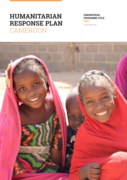
In 2021, the humanitarian community continued to support those in need, placing protection at the centre of its response. Learning from and building on past efforts, humanitarian actors will continue to respond and adapt their response to the various shocks impacting populations in Cameroon, such as
...
violence against civilians, natural disasters, and epidemics, including the COVID-19 pandemic.
more
WHO’s total revenue in 2020 was US$ 4299 million and total expenses were US$ 3561 million, resulting in a surplus of US$ 824 million, which includes finance revenue (e.g. interest and investment income) of US$ 86 million, representing increases of 38% and 15% in revenue and expenses respectively.
...
10. The financial statements report all the Organization’s revenue and expenses. The Organization’s operations are managed under three fund groups: (1) the General Fund, which supports the programme budget, (2) Member States – other, and (3) the Fiduciary Fund (Note 2.18 gives particulars of each of the funds). This segregation of resources facilitates clearer reporting of WHO’s revenues and expenses.
more
A practical handbook. This Health Cluster Guide (2nd edition, 2020) provides practical advice on how WHO, Health Cluster Coordinators and partners can work together during a humanitarian crisis to achieve the aims of reducing avoidable mortality, morbidity and disability, and restoring the delivery
...
of and equitable access to preventive and curative health care.
It highlights key principles of humanitarian health action and how coordination and joint efforts among health and other sector actors can increase the effectiveness and efficiency of health interventions and promote better health outcomes. It draws on Inter-Agency Standing Committee and other expert guidance and includes lessons from field experience in acute and protracted crises.
The coordination principles and practice presented in Health Cluster Guide are equally valid for coordinators and members of health sector groups that seek to achieve effective health action in countries where the cluster approach has not been formally adopted.
more
Developing protocols for use with refugees
and internally displaced persons
