
Filter
3008
Text search:
inclusive
health
Featured
214
754
Language
2681
151
140
140
48
45
30
16
6
6
6
5
5
5
5
4
4
4
4
4
3
3
3
3
3
3
3
3
3
3
3
2
2
2
2
2
2
2
2
2
1
1
1
1
1
1
1
1
1
1
1
1
1
1
1
1
Document type
1627
560
337
169
167
53
44
29
8
6
5
1
1
Countries
147
88
78
78
77
62
60
57
57
50
49
44
44
44
43
41
40
40
36
34
32
29
28
28
27
27
25
23
23
22
20
19
19
19
18
18
17
17
17
16
16
15
15
14
13
13
13
12
12
11
11
11
10
10
9
9
8
8
8
8
8
8
7
7
7
7
7
7
6
6
5
5
4
4
4
4
4
3
3
3
3
3
3
3
3
3
3
3
3
3
2
2
2
2
2
2
2
2
2
2
2
2
2
2
1
1
1
1
1
1
1
1
1
1
1
1
1
1
1
1
1
1
1
1
1
1
1
1
1
1
Authors & Publishers
246
118
107
90
86
74
57
54
39
31
29
28
28
27
18
18
17
16
15
14
14
14
13
13
13
12
12
12
12
12
11
11
11
11
11
11
10
10
10
9
9
9
8
8
8
8
8
8
7
7
7
7
7
7
7
7
7
7
7
7
6
6
6
6
6
6
6
6
6
6
6
6
6
6
5
5
5
5
5
5
5
5
5
5
5
5
5
5
5
5
5
5
5
5
5
5
4
4
4
4
4
4
4
4
4
4
4
4
4
4
4
4
4
4
4
4
4
4
4
4
4
4
4
4
4
4
4
4
4
4
4
4
3
3
3
3
3
3
3
3
3
3
3
3
3
3
3
3
3
3
3
3
3
3
3
3
3
3
3
3
3
3
3
3
3
3
3
3
3
3
3
3
3
3
3
3
3
3
3
3
3
3
3
3
3
3
3
3
3
3
3
3
3
3
3
2
2
2
2
2
2
2
2
2
2
2
2
2
2
2
2
2
2
2
2
2
2
2
2
2
2
2
2
2
2
2
2
2
2
2
2
2
2
2
2
2
2
2
2
2
2
2
2
2
2
2
2
2
2
2
2
2
2
2
2
2
2
2
2
2
2
2
2
2
2
2
2
2
2
2
2
2
2
2
2
2
2
2
2
2
2
2
2
2
2
2
2
2
2
2
2
2
2
2
2
2
2
2
2
2
2
2
2
2
2
2
2
2
2
2
2
2
2
2
2
2
2
2
2
2
2
2
2
2
2
2
2
2
2
2
2
2
2
2
2
2
2
2
2
2
2
2
2
2
2
2
2
2
2
2
2
2
2
2
2
2
2
2
2
2
2
2
2
2
2
2
2
2
2
2
2
2
2
2
2
2
2
2
2
2
2
2
2
2
2
2
2
2
2
2
2
2
1
1
1
1
1
1
1
1
1
1
1
1
1
1
1
1
1
1
1
1
1
1
1
1
1
1
1
1
1
1
1
1
1
1
1
1
1
1
1
1
1
1
1
1
1
1
1
1
1
1
1
1
1
1
1
1
1
1
1
1
1
1
1
1
1
1
1
1
1
1
1
1
1
1
1
1
1
1
1
1
1
1
1
1
1
1
1
1
1
1
1
1
1
1
1
1
1
1
1
1
1
1
1
1
1
1
1
1
1
1
1
1
1
1
1
1
1
1
1
1
1
1
1
1
1
1
1
1
1
1
1
1
1
1
1
1
1
1
1
1
1
1
1
1
1
1
1
1
1
1
1
1
1
1
1
1
1
1
1
1
1
1
1
1
1
1
1
1
1
1
1
1
1
1
1
1
1
1
1
1
1
1
1
1
1
1
1
1
1
1
1
1
1
1
1
1
1
1
1
1
1
1
1
1
1
1
1
1
1
1
1
1
1
1
1
1
1
1
1
1
1
1
1
1
1
1
1
1
1
1
1
1
1
1
1
1
1
1
1
1
1
1
1
1
1
1
1
1
1
1
1
1
1
1
1
1
1
1
1
1
1
1
1
1
1
1
1
1
1
1
1
1
1
1
1
1
1
1
1
1
1
1
1
1
1
1
1
1
1
1
1
1
1
1
1
1
1
1
1
1
1
1
1
1
1
1
1
1
1
1
1
1
1
1
1
1
1
1
1
1
1
1
1
1
1
1
1
1
1
1
1
1
1
1
1
1
1
1
1
1
1
1
1
1
1
1
1
1
1
1
1
1
1
1
1
1
1
1
1
1
1
1
1
1
1
1
1
1
1
1
1
1
1
1
1
1
1
1
1
1
1
1
1
1
1
1
1
1
1
1
1
1
1
1
1
1
1
1
1
1
1
1
1
1
1
1
1
1
1
1
1
1
1
1
1
1
1
1
1
1
1
1
1
1
1
1
1
1
1
1
1
1
1
1
1
1
1
1
1
1
1
1
1
1
1
1
1
1
1
1
1
1
1
1
1
1
1
1
1
1
1
1
1
1
1
1
1
1
1
1
1
1
1
1
1
1
1
1
1
1
1
1
1
1
1
1
1
1
1
1
1
1
1
1
1
1
1
1
1
1
1
1
1
1
1
1
1
1
1
1
1
1
1
1
1
1
1
1
1
1
1
1
1
1
1
1
1
1
1
1
1
1
1
1
1
1
1
1
1
1
1
1
1
1
1
1
1
1
1
1
1
1
1
1
1
1
1
1
1
1
1
1
1
1
1
1
1
1
1
1
1
1
1
1
1
1
1
1
1
1
1
1
1
1
1
1
1
1
1
1
1
1
1
1
1
1
1
1
1
1
1
1
1
1
1
1
1
1
1
1
1
1
1
1
1
1
1
1
1
1
1
1
1
1
1
1
1
1
1
1
1
1
1
1
1
1
1
1
1
1
1
1
1
1
1
1
1
1
1
1
1
1
1
1
1
1
1
1
1
1
1
1
1
1
1
1
1
1
1
1
1
1
1
1
1
1
1
1
1
1
1
1
1
1
1
1
1
1
1
1
1
1
1
1
1
1
1
1
1
1
1
1
1
1
1
1
1
1
1
1
1
1
1
1
1
1
1
1
1
1
1
1
1
1
1
1
1
1
1
1
1
1
1
1
1
1
1
1
1
1
1
1
1
1
1
1
1
1
1
1
1
1
1
1
1
1
1
1
1
1
1
1
1
1
1
1
1
1
1
1
1
1
1
1
1
1
1
1
1
1
1
1
1
1
1
1
1
1
1
1
1
1
1
1
1
1
1
1
1
1
1
1
1
1
1
1
1
1
1
1
1
1
1
1
1
1
1
1
1
1
1
1
1
1
1
1
1
1
1
1
1
1
1
1
1
1
1
1
1
1
1
1
1
1
1
1
1
1
1
1
1
1
1
1
1
1
1
1
1
1
1
1
1
1
1
1
1
1
1
1
1
1
1
1
1
1
1
1
1
1
1
1
1
1
1
1
1
1
1
1
1
1
1
1
1
1
1
1
1
1
1
1
1
1
1
1
1
1
1
1
1
1
1
1
1
1
1
1
1
1
1
1
1
1
1
1
1
1
1
1
1
1
1
1
1
1
1
1
1
1
1
1
1
1
1
1
1
1
1
1
1
1
1
1
1
1
1
1
1
1
1
1
1
1
1
1
1
1
1
1
1
1
1
1
1
1
1
1
1
1
1
1
1
1
1
1
1
1
1
1
1
1
1
1
1
1
1
1
1
1
1
1
1
1
1
1
1
1
1
1
1
1
1
1
1
1
1
1
1
1
1
1
1
1
1
1
1
1
1
1
1
1
1
1
1
1
1
1
1
1
1
1
1
1
1
1
1
1
1
1
1
1
1
1
1
1
1
1
1
1
1
1
1
1
1
1
1
1
1
1
1
1
1
1
1
1
1
1
1
1
1
1
1
1
1
1
1
1
1
1
1
1
1
1
1
1
1
1
1
1
1
1
1
1
1
1
1
1
1
1
1
1
1
1
1
1
1
1
1
1
1
1
1
1
1
1
1
1
1
1
1
1
1
1
1
1
1
1
1
1
1
1
1
1
1
1
1
1
1
1
1
1
1
1
1
1
1
1
1
1
1
1
1
1
1
1
1
1
1
1
1
1
1
1
1
1
1
1
1
1
1
1
1
1
1
1
1
1
1
1
1
1
1
1
1
1
1
1
1
1
1
1
1
1
1
1
1
1
1
1
1
1
1
1
1
1
1
1
1
1
1
1
1
1
1
1
1
1
1
1
1
1
1
1
1
1
1
1
1
1
1
1
1
1
1
1
1
1
1
1
1
1
1
1
1
1
1
1
1
1
1
1
1
1
1
1
1
1
1
1
1
1
1
1
1
1
1
1
1
1
1
1
1
1
1
1
1
1
1
1
1
1
1
1
1
1
1
1
1
1
1
1
1
1
1
1
1
1
1
1
1
1
1
1
1
1
1
1
1
1
1
1
1
1
1
1
1
1
1
1
1
1
1
1
1
1
1
1
1
1
1
1
1
1
1
1
1
1
1
1
1
1
1
1
1
1
1
1
1
1
1
1
1
1
1
1
1
1
1
1
1
1
1
1
1
1
1
1
1
1
1
1
1
1
1
1
1
1
1
1
1
1
1
1
1
1
1
1
1
1
1
1
1
1
1
1
1
1
1
1
1
1
1
1
1
1
1
1
1
1
1
1
1
1
1
1
1
1
1
1
1
1
1
1
1
1
1
1
1
1
1
1
1
1
1
1
1
1
1
1
1
1
1
1
1
1
1
1
1
1
1
1
1
1
1
1
1
1
1
1
1
1
1
1
1
1
1
1
1
1
1
1
1
1
1
1
1
1
1
1
1
1
1
1
1
1
1
1
1
1
1
1
1
1
1
1
1
1
1
1
1
1
1
1
1
1
1
1
1
1
1
1
1
1
1
1
1
1
1
1
1
1
1
1
1
1
1
1
1
1
1
1
1
1
1
1
1
1
1
1
1
1
1
1
1
1
1
1
1
1
1
1
1
1
1
1
1
1
1
1
1
1
1
1
1
1
1
1
1
1
1
1
1
1
1
1
1
1
1
1
1
1
1
1
1
1
1
1
1
1
1
1
1
1
1
1
1
1
1
1
1
1
1
1
1
1
1
1
1
1
1
1
1
1
1
1
1
1
1
1
1
1
1
1
1
1
1
1
1
1
1
1
1
1
1
1
1
1
1
1
1
1
1
1
1
1
1
1
1
1
1
1
1
1
1
1
1
1
1
1
1
1
1
1
1
1
1
1
1
1
1
1
1
1
1
1
1
1
1
1
1
1
1
1
1
1
1
1
1
1
1
1
1
1
1
1
1
1
1
1
1
1
1
1
1
1
1
1
1
1
1
1
1
1
1
1
1
1
1
1
1
1
1
1
1
1
1
1
1
1
1
1
1
1
1
1
1
1
1
1
1
1
1
1
1
1
1
1
1
1
1
1
1
1
1
1
1
1
1
1
1
1
1
1
1
1
1
1
1
1
1
1
1
1
1
1
1
1
1
1
1
1
1
1
1
1
1
1
1
1
1
1
1
1
1
1
1
1
1
1
1
1
1
1
1
1
1
1
1
1
1
1
1
1
1
1
1
1
1
1
1
1
1
1
1
1
1
1
1
1
1
1
1
1
1
1
1
1
1
1
1
1
1
1
1
1
1
1
1
1
1
1
1
1
1
1
1
1
1
1
1
1
1
1
1
1
1
1
1
1
1
1
1
1
1
1
1
1
1
1
1
1
1
1
1
1
1
1
1
1
1
1
1
1
1
1
1
1
1
1
1
1
1
1
1
1
1
1
1
1
1
1
1
1
1
1
1
1
1
1
1
1
1
1
1
1
1
1
1
1
1
1
1
1
1
1
1
1
1
1
1
1
1
1
1
1
1
1
1
1
1
1
1
1
1
1
1
1
1
1
1
1
1
1
1
1
1
1
1
1
1
1
1
1
1
1
1
1
1
1
1
1
1
1
1
1
1
1
1
1
1
1
1
1
1
1
1
1
1
1
1
1
1
1
1
1
1
1
1
1
1
1
1
1
1
1
1
1
1
1
1
1
1
1
1
1
1
1
1
1
1
1
1
1
1
1
1
1
1
1
1
1
1
1
1
1
1
1
1
1
1
1
1
1
1
1
1
1
1
1
1
1
1
1
1
1
1
1
1
1
1
1
1
1
1
1
1
1
1
1
1
1
1
1
1
1
1
1
1
1
1
1
1
1
1
1
1
1
1
1
1
1
1
1
1
1
1
1
1
1
1
1
1
1
1
1
1
1
1
1
1
1
1
1
1
1
1
1
1
1
Publication Years
1011
1834
158
5
Category
1155
170
133
105
104
37
11
7
1
Toolboxes
428
342
208
197
165
121
88
77
71
57
50
48
46
44
43
37
32
19
11
9
9
8
6
2
1
1
In April 2020, the UN launched a coordinated global humanitarian response plan (GHRP) to fight COVID-19 in some of the world’s most vulnerable countries and address the needs of the most vulnerable people. This tips sheet provides practical tips to strengthen disability inclusion within the new up
...
date of COVID-19 Global HRP. The sheet was developed by the Disability Advisory Group for the DFID-UN SBC.
more
The United Nations Environment Programme (UNEP) is stepping up its work on mapping zoonotic threat and protecting the environment to reduce the risk of future pandemics, such as the COVID-19 crisis currently sweeping the globe.
This guidance note aims to provide practical support to service providers operating Women and Girls Safe Spaces (WGSS) on how to adapt programming in the context of the COVID-19 pandemic.
This note provides information and practical guidance to support gender-based violence (GBV) practitioners to integrate attention to disability into GBV prevention, risk mitigation and response efforts during the COVID-19 pandemic. This document complements other resources relating to GBV and COVID-
...
19 and assumes that the user is already familiar with common GBV prevention, risk mitigation and response approaches.
more
This is the first version of the INEE technical guideline to support education during the Covid-19 pandemic. It is a living document that will be regularly updated to meet the learning and well-being needs of children, adolescents, youth, teachers, caregivers and other education personnel affected b
...
y Covid-19.
more
As a result of Russia’s invasion of Ukraine, the people of Ukraine, especially the most vulnerable, are paying an enormous price. Lives and livelihoods are being lost, with more than ten million people forced from their homes— and their country—in search of safety. The war has unleashed catast
...
rophic damage to the country’s economy and threatens lasting increases in poverty and societal upheaval. The scale of the war and the devastation it has caused have jeopardized Ukraine’s hard-fought development gains, through destruction of production and property, disruption of trade, diminished investment due to amplified uncertainty, and erosion of human capita
more
Quick Tips on COVID-19 and Migrant, Refugee and Internally Displaced Children (Children on the Move)
This document will be continuously updated. Version as of April 27th, 2020
Migrant and displaced children are at heightened risk to the immediate and secondary impacts of COVID-19. They often live in cramped conditions with limited access to water, sanitation, and hygiene (WASH), may be in immig
...
ration detention or “left behind,” live with disabilities, unaccompanied or separated from their families, and can be hardest to reach with accurate information in a language they understand. Migrant workers and refugees can live in the most disadvantaged urban areas, where access to essential services is already limited. Refugee and migrant children may also be prevented from accessing essential services due to legal, documentation, linguistic or safety barriers. Further, the misinformation on the spread of COVID-19 exacerbates the xenophobia and discrimination that migrant and displaced children and their families already face.
more
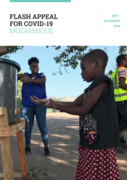
The first case of COVID-19 was reported in Mozambique on 22 March 2020. As of 26 May, Mozambique had 194 confirmed cases of COVID-19, of which 168 were locally transmitted. The country’s capital, Maputo, and the province of Cabo Delgado are currently the epicentres of the outbreak in Mozambique, w
...
ith Pemba and Afungi registering more than 50 percent of the overall cases. Other provinces affected are Manica, Inhambane, Gaza, Tete and Sofala.
more
As this report shows,
reports of child abuse and of children
witnessing violence between their
parents and caregivers have increased.
Ending violence against children is
increasingly within our reach. D
This evaluation is the fifth in a series of structured evaluations of CFS and was completed as part of three-year collaboration with World Vision and Columbia University. It was conducted with Syrian refugees in an urban setting in Zarqa, Jordan during the months of February to August 2014. The CFS
...
was implemented through partners and supported and monitored by World Vision Jordan. Interviews were conducted during a one-week registration period hosted by partner staff and preceded by awareness campaigns in the community. Measurement tools were selected to assess impact in three areas in line with the programme’s key objectives: (a) the protection of children from risk, (b) supporting caregivers and communities in strengthening systems of child protection, and (c) the promotion of children’s psychosocial wellbeing (including the acquisition of skills and knowledge).
more
7 June 2020 Version 1
Women in Myanmar have traditionally been underrepresented in public decision-making processes, a trend which is continuing in structures established to respond to COVID-19. This means that even as women are disproportionately affected by the crisis, they have less say in how t
...
heir communities and country respond to it, increasing the risk of a COVID-19 response that does not adequately address the needs and priorities of the most vulnerable women and girls.
more
The ethical values and behaviors are not only abstract terms, but they are refined and conceptualized byreal-life experiences. The societal context where the actions of humans can be analyzed by ethicaldecision-making is entirely relevant to deliberate on what is the right thing to do and what the m
...
oralagent should do, since the ethical values and principles response to the actual practices of life and to theneeds of humans in the society. This elaboration takes us to the realm of social ethics.This article reviews the definition and contextual meaning of social ethics at a broader level by givingspecial emphasis to the ethical theories and principles, focusing on the societal and public setting. Ethicswill be deliberated with social and community aspects. Based on the principle of justice and public healthethics, the concept of social ethics has been investigated concisely through the relationship between man,as a moral person, and the society in exemplification of the issues of healthcare ethics. It is argued that thetension between individualism and communitarian needs can be reconciled with the perspective of socialethics by respecting the individual autonomy without disregarding the common good and social justice.By promoting the values of social responsibility, solidarity, and social utility, social ethics has beenproposed as the basis of a rational, moral, egalitarian, pluralistic, democratic society rising on the pillars ofhuman rights and human dignity.
more
This report reviews the latest evidence on what works to reduce HIV-related stigma and discrimination through key programmes to reduce stigma and discrimination and increase access to justice in the six settings of focus for the Global Partnership. It includes guidance for national governments and k
...
ey stakeholders on how stigma and discrimination harm; how the stigmatization process operates and how we can stop it; key principles of stigma- and discrimination-reduction efforts; an overview of common intervention approaches; recommendations based on the latest evidence for reducing HIV-related stigma and discrimination in the six settings; and an overview of considerations for monitoring the success of the programmatic interventions recommended for each setting.
more
Se calcula que en 2015 había en el mundo 17,8 millones de mujeres de 18 años o mayores infectadas por el VIH, cifra que equivale al 51% de los adultos que viven con VIH. Las adolescentes y las jóvenes se ven especialmente afectadas; en 2015 constituían el 60% de los individuos entre 15 a 24 año
...
s de edad que vivían con el VIH, representando también el 58% de las infecciones por el VIH de adquisición reciente en los jóvenes de ese grupo de edad. En muchos países las mujeres que viven con el VIH carecen de acceso equitativo a servicios de salud de buena calidad, y enfrentan muchas formas de estigma y discriminación que se entrecruzan. Más aun, estas mujeres son desproporcionadamente vulnerables a la violencia, en particular las violaciones de sus derechos sexuales y reproductivos.
more
The following key messages on human rights, the environment and COVID-19 highlight essential human rights obligations and responsibilities of States and others, including businesses, in addressing and responding to the COVID-19 crisis.
