Filter
2088
Text search:
practical
manual
Featured
274
480
Language
1948
71
63
63
35
20
10
5
4
4
4
4
3
3
3
3
2
2
2
2
2
1
1
1
1
1
1
1
1
1
1
1
1
1
1
1
1
1
1
Document type
1221
331
236
151
81
41
11
5
4
3
2
1
Countries
104
64
52
48
40
34
32
32
31
29
28
28
27
25
24
24
23
23
18
17
16
14
13
13
13
12
10
10
9
8
7
7
6
6
6
6
6
5
5
5
5
5
5
4
4
4
4
4
4
3
3
3
3
3
3
3
3
3
3
3
3
2
2
2
2
2
2
2
2
2
2
2
2
1
1
1
1
1
1
1
1
1
1
1
1
1
1
1
1
1
1
1
1
1
1
1
1
1
1
1
1
1
Authors & Publishers
333
133
97
79
66
56
45
42
29
21
19
16
15
15
15
15
14
13
12
10
10
9
9
9
9
9
8
7
7
7
7
7
7
7
7
7
6
6
6
6
6
6
6
6
6
6
6
6
6
6
6
5
5
5
5
5
5
5
5
5
5
5
5
5
5
4
4
4
4
4
4
4
4
4
4
4
4
4
4
4
4
4
4
4
4
4
4
4
4
4
4
3
3
3
3
3
3
3
3
3
3
3
3
3
3
3
3
3
3
3
3
3
3
3
3
3
3
3
3
3
3
3
3
3
3
3
3
3
3
3
3
3
3
3
3
3
3
3
3
3
2
2
2
2
2
2
2
2
2
2
2
2
2
2
2
2
2
2
2
2
2
2
2
2
2
2
2
2
2
2
2
2
2
2
2
2
2
2
2
2
2
2
2
2
2
2
2
2
2
2
2
2
2
2
2
2
2
2
2
2
2
2
2
2
2
2
2
2
2
2
2
2
2
2
2
2
2
2
2
2
2
2
2
2
2
2
2
2
2
2
2
2
2
2
2
2
2
2
2
2
2
2
2
2
2
2
2
2
2
2
2
2
2
2
2
2
2
2
2
2
2
2
2
2
2
2
2
2
2
2
2
2
2
2
2
2
2
2
2
2
2
2
2
2
2
2
2
2
2
2
2
2
2
2
2
2
2
1
1
1
1
1
1
1
1
1
1
1
1
1
1
1
1
1
1
1
1
1
1
1
1
1
1
1
1
1
1
1
1
1
1
1
1
1
1
1
1
1
1
1
1
1
1
1
1
1
1
1
1
1
1
1
1
1
1
1
1
1
1
1
1
1
1
1
1
1
1
1
1
1
1
1
1
1
1
1
1
1
1
1
1
1
1
1
1
1
1
1
1
1
1
1
1
1
1
1
1
1
1
1
1
1
1
1
1
1
1
1
1
1
1
1
1
1
1
1
1
1
1
1
1
1
1
1
1
1
1
1
1
1
1
1
1
1
1
1
1
1
1
1
1
1
1
1
1
1
1
1
1
1
1
1
1
1
1
1
1
1
1
1
1
1
1
1
1
1
1
1
1
1
1
1
1
1
1
1
1
1
1
1
1
1
1
1
1
1
1
1
1
1
1
1
1
1
1
1
1
1
1
1
1
1
1
1
1
1
1
1
1
1
1
1
1
1
1
1
1
1
1
1
1
1
1
1
1
1
1
1
1
1
1
1
1
1
1
1
1
1
1
1
1
1
1
1
1
1
1
1
1
1
1
1
1
1
1
1
1
1
1
1
1
1
1
1
1
1
1
1
1
1
1
1
1
1
1
1
1
1
1
1
1
1
1
1
1
1
1
1
1
1
1
1
1
1
1
1
1
1
1
1
1
1
1
1
1
1
1
1
1
1
1
1
1
1
1
1
1
1
1
1
1
1
1
1
1
1
1
1
1
1
1
1
1
1
1
1
1
1
1
1
1
1
1
1
1
1
1
1
1
1
1
1
1
1
1
1
1
1
1
1
1
1
1
1
1
1
1
1
1
1
1
1
1
1
1
1
1
1
1
1
1
1
1
1
1
1
1
1
1
1
1
1
1
1
1
1
1
1
1
1
1
1
1
1
1
1
1
1
1
1
1
1
1
1
1
1
1
1
1
1
1
1
1
1
1
1
1
1
1
1
1
1
1
1
1
1
1
1
1
1
1
1
1
1
1
1
1
1
1
1
1
1
1
1
1
1
1
1
1
1
1
1
1
1
1
1
1
1
1
1
1
1
1
1
1
1
1
1
1
1
1
1
1
1
1
1
1
1
1
1
1
1
1
1
1
1
1
1
1
1
1
1
1
1
1
1
1
1
1
1
1
1
1
1
1
1
1
1
1
1
1
1
1
1
1
1
1
1
1
1
1
1
1
1
1
1
1
1
1
1
1
1
1
1
1
1
1
1
1
1
1
1
1
1
1
1
1
1
1
1
1
1
1
1
1
1
1
1
1
1
1
1
1
1
1
1
1
1
1
1
1
1
1
1
1
1
1
1
1
1
1
1
1
1
1
1
1
1
1
1
1
1
1
1
1
1
1
1
1
1
1
1
1
1
1
1
1
1
1
1
1
1
1
1
1
1
1
1
1
1
1
1
1
1
1
1
1
1
1
1
1
1
1
1
1
1
1
1
1
1
1
1
1
1
1
1
1
1
1
1
1
1
1
1
1
1
1
1
1
1
1
1
1
1
1
1
1
1
1
1
1
1
1
1
1
1
1
1
1
1
1
1
1
1
1
1
1
1
1
1
1
1
1
1
1
1
1
1
1
1
1
1
1
1
1
1
1
1
1
1
1
1
1
1
1
1
1
1
1
1
1
1
1
1
1
1
1
1
1
1
1
1
1
1
1
1
1
1
1
1
1
1
1
1
1
1
1
1
1
1
1
1
1
1
1
1
1
1
1
1
1
1
1
1
1
1
1
1
1
1
1
1
1
1
1
1
1
1
1
1
1
1
1
1
1
1
1
1
1
1
1
1
1
1
1
1
1
1
1
1
1
1
1
1
1
1
1
1
1
1
1
1
1
1
1
1
1
1
1
1
1
1
1
1
1
1
1
1
1
1
1
1
1
1
1
1
1
1
1
1
1
1
1
1
1
1
1
1
1
1
1
1
1
1
1
1
1
1
1
1
1
1
1
1
1
1
1
1
1
1
1
1
1
1
1
1
1
1
1
1
1
1
1
1
1
1
1
1
1
1
1
1
1
1
1
1
1
1
1
1
1
1
1
1
1
1
1
1
1
1
1
1
1
1
1
1
1
1
1
1
1
1
1
1
1
1
1
1
1
1
1
1
1
1
1
1
1
1
1
1
1
1
1
1
1
1
1
1
1
1
1
1
1
1
1
1
1
1
1
1
1
1
1
1
1
1
1
1
1
1
1
1
1
1
1
1
1
1
1
1
1
1
1
1
1
1
1
1
1
1
1
1
1
1
1
1
1
1
1
1
1
1
1
1
1
1
1
1
1
1
1
1
1
1
1
1
1
1
1
1
1
1
1
1
1
1
1
1
1
1
1
1
1
1
1
1
1
1
1
1
1
1
1
1
1
1
1
1
1
1
1
1
1
1
1
1
1
1
1
1
1
1
1
1
1
1
1
1
1
1
1
1
1
1
1
1
1
1
1
1
1
1
1
1
1
1
1
1
1
1
1
1
1
1
1
1
1
1
1
1
1
1
1
1
1
1
1
1
1
1
1
1
1
1
1
1
1
1
1
1
1
1
1
1
1
1
1
1
1
1
1
1
1
1
1
1
1
1
1
1
1
1
1
1
1
1
1
1
1
1
1
1
1
1
1
1
1
1
1
1
1
1
1
1
1
1
1
1
1
1
1
1
1
1
1
1
1
1
1
1
1
1
1
1
1
1
1
1
1
1
1
1
1
1
1
1
1
1
1
1
1
1
1
1
1
1
1
1
1
1
1
1
1
1
1
1
1
1
1
1
1
1
1
1
1
1
1
1
1
1
1
1
1
1
1
1
1
1
1
1
1
1
1
1
1
1
1
1
1
1
1
1
1
1
1
1
1
1
1
1
1
1
1
1
1
1
1
1
1
1
1
1
1
1
1
1
1
1
1
1
1
1
1
1
1
1
1
1
1
1
1
1
1
1
1
1
1
1
1
1
1
1
1
1
1
1
1
1
1
1
1
1
1
1
1
1
1
1
1
1
1
1
1
1
1
1
1
1
1
1
1
1
1
1
1
1
1
1
1
1
1
1
1
1
1
1
1
1
1
1
1
1
1
1
1
1
1
1
1
1
1
1
1
1
1
1
1
1
1
1
1
1
1
1
1
1
1
1
1
1
1
1
1
1
1
1
1
1
1
1
1
1
1
1
1
1
1
1
1
1
1
1
1
1
1
1
1
1
1
1
1
1
1
1
1
1
1
1
1
1
1
1
1
1
1
1
1
1
1
1
1
1
1
1
1
1
1
1
1
1
1
1
1
1
1
1
1
1
1
1
1
1
1
1
1
1
1
1
1
1
1
1
1
1
1
1
1
1
1
1
1
1
1
1
1
1
1
1
1
1
1
1
1
1
1
1
1
1
1
1
1
1
1
1
1
1
1
1
1
1
1
1
1
1
1
1
1
1
Publication Years
1
428
1279
348
31
1
Category
569
209
182
175
150
131
32
4
1
Toolboxes
214
131
114
109
107
101
79
76
61
55
54
53
47
47
26
25
21
19
18
12
6
4
3
1
Sharing successful strategies from the Eastern Mediterranean Region in mitigating noncommunicable diseases and mentalhealth disorders during the COVID-19pandemic and beyond
World Health Organization (WHO) Regional Office for the Eastern Mediterranean
World Health Organization (WHO) Regional Office for the Eastern Mediterranean
(2023)
C_WHO
The "Stories from the field" document by the WHO Regional Office for the Eastern Mediterranean shares effective strategies from the Eastern Mediterranean Region for addressing noncommunicable diseases (NCDs) and mental health challenges, particularly during the COVID-19 pandemic. It highlights regio
...
nal success stories in mitigating NCDs and mental health conditions through innovative, country-specific interventions. The report emphasizes multisectoral collaboration, community engagement, and resilience in public health responses. It aims to inspire further action and knowledge-sharing to enhance health outcomes in challenging settings across the region.
more
The coronavirus disease (COVID-19) pandemic exacerbated pre-existing inequalities in the treatment and care of noncommunicable diseases (NCDs). This report examines the effect of the COVID-19 pandemic on access to NCD medicines, and the policies and strategies implemented by countries and health sys
...
tems to anticipate and mitigate stresses across NCD medicine supply chains. The full range of upstream and downstream impacts are investigated, including: manufacturing; procurement, importation and last mile delivery; patient-level effects through affordability and availability; and the effects on NCD medicine availability by category of disease. The report culminates in recommended actions and interventions for key stakeholders in the NCD pharmaceutical supply chain, including governments, regulatory authorities, manufacturers and the private sector; as well as directions for future research for improving access and supply chain access resilience.
more
The article is a scoping review that explores the challenges in diagnosing asthma in children in three sub-Saharan African countries: Nigeria, South Africa, and Uganda. It identifies key barriers, such as a lack of community awareness, inadequate healthcare access, limited diagnostic tools like spir
...
ometry, and insufficient knowledge among healthcare workers. The review also highlights the stigma associated with asthma and the absence of relevant diagnostic guidelines. Solutions proposed include community education, development and adherence to diagnostic guidelines, and strengthening healthcare systems. The study aims to inform policymakers and healthcare providers to improve asthma diagnosis and care for children in these regions.
more
Asthma is the most common non-communicable disease in children and remains one of the most common throughout the life course. The great majority of the burden of this disease is seen in low-income and middle-income countries (LMICs), which have disproportionately high asthma-related mortality relati
...
ve to asthma prevalence. This is particularly true for many countries in sub-Saharan Africa. Although inhaled asthma treatments (particularly those containing inhaled corticosteroids) markedly reduce asthma morbidity and mortality, a substantial proportion of the children, adolescents, and adults with asthma in LMICs do not get to benefit from these, due to poor availability and affordability. In this review, we consider the reality faced by clinicians managing asthma in the primary and secondary care in sub-Saharan Africa and suggest how we might go about making diagnosis and treatment decisions in a range of resource-constrained scenarios. We also provide recommendations for research and policy, to help bridge the gap between current practice in sub-Saharan Africa and Global Initiative for Asthma (GINA) recommended diagnostic processes and treatment for children, adolescents, and adults with asthma.
more
Asthma is the most common noncommunicable disease in children, and among the most common in adults. According to the most recent estimates from the Global Asthma Network Phase I study, around one in 10 children and adults have symptoms of asthma and one in 20 school-aged children have severe asthma
...
symptoms, with marked variations in prevalence and in prevalence trends between countries and regions of the world. The Global Burden of Disease Study estimated that asthma caused the loss of 21.6 million healthy years of life (disability-adjusted life years) and 461 069 deaths in 2019. Approximately 90% of the asthma burden of disease is borne by people living low and middle income countries (LMICs). Some countries report very high (up to 90%) rates of uncontrolled asthma. While the prevalence of asthma is highest in countries with a high Socio-Demographic Index (SDI), death rates from asthma are highest in countries with low and lower middle incomes.
more
The guidance document provides a set of indicators for assessing the status of development, implementation and monitoring of key policy interventions for prevention and control of NCDs and injuries. It promotes city-level evidence based decision-making processes to identify gaps and take appropriate
...
s actions to strengthen responses. Additionally, using the standardized indicators can facilitate cross-city learning, sharing best practices and lessons learnt in implementing various policy interventions.
more
Toolkit regarding Zika Virus
The Global Action Plan on Antimicrobial Resistance (AMR) calls for making AMR a core component of professional education and training. In 2018, the World Health Organization (WHO) published Competency framework for health workers’ education and training on AMR to ensure that academic institutions
...
and regulatory agencies provided pre-service and in-service training to equip health workers with the adequate competencies to address AMR. This was followed by Health workers’ training and education on AMR: curricula guide, which outlines the learning objectives and expected outcomes of pre-service training of health workers to improve curricula. These tools were designed to strengthen the capacity of health workers in various settings to address the growing challenge of AMR.
more
Mpox is an emerging zoonotic disease caused by the mpox virus, a member of the Orthopoxvirus genus closely related to the variola virus that causes smallpox. Mpox was first discovered in 1958 when outbreaks of a pox-like disease occurred in monkeys kept for research. The first human case was recorde
...
d in 1970 in the Democratic Republic of the Congo (DRC) during a period of intensified effort to eliminate smallpox and since then the infection has been reported in a number of African countries. Mpox can spread in humans through close contact, usually skin-to-skin contact, including sexual contact, with an infected person or animal, as well as with materials contaminated with the virus such as clothing, beddings and towels, and respiratory droplets in prolonged face to face contact. People remain infectious from the onset of symptoms until all the lesions have scabbed and healed. The virus may spread from infected animals through handling infected meat or through bites or scratches. Diagnosis is confirmed by polymerase chain reaction (PCR) testing of material from a lesion for the virus’s DNA. Two separate clades of the mpox virus are currently circulating in Africa: Clade I, which includes subclades Ia and Ib, and Clade II, comprising subclades IIa and IIb. Clade Ia and Clade Ib have been associated with ongoing human-to-human transmission and are presently responsible for outbreaks in the Democratic Republic of the Congo (DRC), while Clade Ib is also contributing to outbreaks in Burundi and other countries.
In 2022‒2023 mpox caused a global outbreak in over 110 countries, most of which had no previous history of the disease, primarily driven by human-to-human transmission of clade II through sexual contact. In just over a year, over 90,000 cases and 150 deaths were reported to the WHO. For the second time since 2022, mpox has been declared a global health emergency as the virus spreads rapidly across the African continent. On 13 Aug 2024, Africa CDC declared the ongoing mpox outbreak a Public Health Emergency of Continental Security (PHECS), marking the first such declaration by the agency since its inception in 2017.7 This declaration empowered the Africa CDC to lead and coordinate responses to the mpox outbreak across affected African countries. On August 14, 2024, the WHO declared the resurgence of mpox a Public Health Emergency of International Concern (PHEIC) emphasizing the need for coordinated international response.
As of August 2024, Mpox has expanded beyond its traditional endemic regions, with new cases reported in countries including Sweden, Thailand, the Philippines, and Pakistan. Sweden has confirmed its first case of Clade 1 variant, which has been rapidly spreading in Africa, particularly in DRC. The emergence of this new variant raises concerns about its potential for higher lethality and transmission rates outside Africa.
more
Resumen Ejecutivo
An Indian Primer of Palliative Care
recommended
For medical students and doctors
The ITHACA Toolkit for monitoring Human Rights and General Health Care in mental health and social care institutions
Institutional Treatment,Human Rights and CareAssessment (ITHACA)
Health Service and Population Research Department,Institute of Psychiatry, King's College London
(2010)
Training Programme for Health Professionals
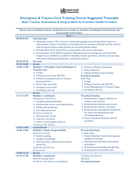
Accessed July 2014
For the whole Emergency and Trauma Care Modules visit: http://www.who.int/surgery/publications/immesc_emergency_trauma_care/en/
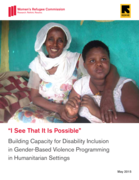
This toolkit is intended to support GBV staff to build disability inclusion into their work, and to strengthen the capacity of GBV practitioners to use a survivor-centered approach when providing services to survivors with disabilities.
The tools are designed to complement existing guidelines, prot
...
ocols and tools for GBV prevention and response, and should not be used in isolation from these. GBV practitioners are encouraged to adapt the tools to their individual programs and contexts, and to integrate pieces into standard GBV tools and resources.
You can download from English, French and Arabic Version
http://www.womensrefugeecommission.org/research-resources/building-capacity-for-disability-inclusion-in-gender-based-violence-gbv-programming-in-humanitarian-settings-overview/
more
You can also register into a free online course
https://www.open.edu/openlearncreate/course/view.php?id=13

A book of methods, aids, and ideas for instructors at the village level
An indispensable resource for health educators, this book provides hundreds of methods, aids, and learning strategies to make health education engaging and effective, encouraging community involvement through participatory edu
...
cation.
You can download chapter by chapter free of charge
The previous version (2005) is freely available here
more
This checklist covers five areas of competence needed by health care providers to provide quality of care in contraceptive information and services including: respecting users’ privacy and guaranteeing contfidentiality, choice, accessible and acceptable services, involvement of users in improving
...
services and fostering continuity of care and follow-up.
more