
Filter
2115
Text search:
health
accounts
Featured
142
686
Language
2071
27
23
21
13
8
8
6
3
2
2
2
1
1
1
1
1
1
1
1
1
1
1
1
1
1
1
1
1
1
1
Document type
1352
417
154
67
65
24
15
10
7
3
1
Countries
139
116
92
67
64
61
60
52
50
42
41
40
38
38
36
34
34
32
30
29
27
25
24
23
22
21
20
18
15
15
14
13
13
13
11
11
11
11
11
10
10
10
9
9
8
8
8
7
7
7
5
5
5
4
4
4
4
4
4
4
3
3
3
3
3
3
3
3
3
3
3
3
3
3
3
2
2
2
2
2
2
2
2
2
2
2
2
2
1
1
1
1
1
1
1
1
1
1
1
1
1
1
1
1
1
1
1
1
1
1
1
Authors & Publishers
147
84
78
60
58
35
34
30
22
18
16
16
13
13
12
12
11
11
10
9
9
9
8
8
8
7
7
7
7
7
7
7
7
7
7
7
6
6
6
6
6
6
6
6
6
6
6
6
6
5
5
5
5
5
5
5
5
5
5
5
5
5
5
5
5
5
5
4
4
4
4
4
4
4
4
4
4
4
4
4
4
4
4
4
4
4
4
4
4
4
3
3
3
3
3
3
3
3
3
3
3
3
3
3
3
3
3
3
3
3
3
3
3
3
3
3
3
3
3
3
3
3
3
3
3
3
3
3
3
3
3
3
3
3
3
3
3
3
3
3
3
3
3
3
2
2
2
2
2
2
2
2
2
2
2
2
2
2
2
2
2
2
2
2
2
2
2
2
2
2
2
2
2
2
2
2
2
2
2
2
2
2
2
2
2
2
2
2
2
2
2
2
2
2
2
2
2
2
2
2
2
2
2
2
2
2
2
2
2
2
2
2
2
2
2
2
2
2
2
2
2
2
2
2
2
2
2
2
2
2
2
2
2
2
2
2
2
2
2
2
2
2
2
2
2
2
2
2
2
2
2
2
2
2
2
2
2
2
2
2
2
2
2
2
2
2
2
2
2
2
2
2
2
2
2
2
2
2
2
2
2
2
2
1
1
1
1
1
1
1
1
1
1
1
1
1
1
1
1
1
1
1
1
1
1
1
1
1
1
1
1
1
1
1
1
1
1
1
1
1
1
1
1
1
1
1
1
1
1
1
1
1
1
1
1
1
1
1
1
1
1
1
1
1
1
1
1
1
1
1
1
1
1
1
1
1
1
1
1
1
1
1
1
1
1
1
1
1
1
1
1
1
1
1
1
1
1
1
1
1
1
1
1
1
1
1
1
1
1
1
1
1
1
1
1
1
1
1
1
1
1
1
1
1
1
1
1
1
1
1
1
1
1
1
1
1
1
1
1
1
1
1
1
1
1
1
1
1
1
1
1
1
1
1
1
1
1
1
1
1
1
1
1
1
1
1
1
1
1
1
1
1
1
1
1
1
1
1
1
1
1
1
1
1
1
1
1
1
1
1
1
1
1
1
1
1
1
1
1
1
1
1
1
1
1
1
1
1
1
1
1
1
1
1
1
1
1
1
1
1
1
1
1
1
1
1
1
1
1
1
1
1
1
1
1
1
1
1
1
1
1
1
1
1
1
1
1
1
1
1
1
1
1
1
1
1
1
1
1
1
1
1
1
1
1
1
1
1
1
1
1
1
1
1
1
1
1
1
1
1
1
1
1
1
1
1
1
1
1
1
1
1
1
1
1
1
1
1
1
1
1
1
1
1
1
1
1
1
1
1
1
1
1
1
1
1
1
1
1
1
1
1
1
1
1
1
1
1
1
1
1
1
1
1
1
1
1
1
1
1
1
1
1
1
1
1
1
1
1
1
1
1
1
1
1
1
1
1
1
1
1
1
1
1
1
1
1
1
1
1
1
1
1
1
1
1
1
1
1
1
1
1
1
1
1
1
1
1
1
1
1
1
1
1
1
1
1
1
1
1
1
1
1
1
1
1
1
1
1
1
1
1
1
1
1
1
1
1
1
1
1
1
1
1
1
1
1
1
1
1
1
1
1
1
1
1
1
1
1
1
1
1
1
1
1
1
1
1
1
1
1
1
1
1
1
1
1
1
1
1
1
1
1
1
1
1
1
1
1
1
1
1
1
1
1
1
1
1
1
1
1
1
1
1
1
1
1
1
1
1
1
1
1
1
1
1
1
1
1
1
1
1
1
1
1
1
1
1
1
1
1
1
1
1
1
1
1
1
1
1
1
1
1
1
1
1
1
1
1
1
1
1
1
1
1
1
1
1
1
1
1
1
1
1
1
1
1
1
1
1
1
1
1
1
1
1
1
1
1
1
1
1
1
1
1
1
1
1
1
1
1
1
1
1
1
1
1
1
1
1
1
1
1
1
1
1
1
1
1
1
1
1
1
1
1
1
1
1
1
1
1
1
1
1
1
1
1
1
1
1
1
1
1
1
1
1
1
1
1
1
1
1
1
1
1
1
1
1
1
1
1
1
1
1
1
1
1
1
1
1
1
1
1
1
1
1
1
1
1
1
1
1
1
1
1
1
1
1
1
1
1
1
1
1
1
1
1
1
1
1
1
1
1
1
1
1
1
1
1
1
1
1
1
1
1
1
1
1
1
1
1
1
1
1
1
1
1
1
1
1
1
1
1
1
1
1
1
1
1
1
1
1
1
1
1
1
1
1
1
1
1
1
1
1
1
1
1
1
1
1
1
1
1
1
1
1
1
1
1
1
1
1
1
1
1
1
1
1
1
1
1
1
1
1
1
1
1
1
1
1
1
1
1
1
1
1
1
1
1
1
1
1
1
1
1
1
1
1
1
1
1
1
1
1
1
1
1
1
1
1
1
1
1
1
1
1
1
1
1
1
1
1
1
1
1
1
1
1
1
1
1
1
1
1
1
1
1
1
1
1
1
1
1
1
1
1
1
1
1
1
1
1
1
1
1
1
1
1
1
1
1
1
1
1
1
1
1
1
1
1
1
1
1
1
1
1
1
1
1
1
1
1
1
1
1
1
1
1
1
1
1
1
1
1
1
1
1
1
1
1
1
1
1
1
1
1
1
1
1
1
1
1
1
1
1
1
1
1
1
1
1
1
1
1
1
1
1
1
1
1
1
1
1
1
1
1
1
1
1
1
1
1
1
1
1
1
1
1
1
1
1
1
1
1
1
1
1
1
1
1
1
1
1
1
1
1
1
1
1
1
1
1
1
1
1
1
1
1
1
1
1
1
1
1
1
1
1
1
1
1
1
1
1
1
1
1
1
1
1
1
1
1
1
1
1
1
1
1
1
1
1
1
1
1
1
1
1
1
1
1
1
1
1
1
1
1
1
1
1
1
1
1
1
1
1
1
1
1
1
1
1
1
1
1
1
1
1
1
1
1
1
1
1
1
1
1
1
1
1
1
1
1
1
1
1
1
1
1
1
1
1
1
1
1
1
1
1
1
1
1
1
1
1
1
1
1
1
1
1
1
1
1
1
1
1
1
1
1
1
1
1
1
1
1
1
1
1
1
1
1
1
1
1
1
1
1
1
1
1
1
1
1
1
1
1
1
1
1
1
1
1
1
1
1
1
1
1
1
1
1
1
1
1
1
1
1
1
1
1
1
1
1
1
1
1
1
1
1
1
1
1
1
1
1
1
1
1
1
1
1
1
1
1
1
1
1
1
1
1
1
1
1
1
1
1
1
1
1
1
1
1
1
1
1
1
1
1
1
1
1
1
1
1
1
1
1
1
1
1
1
1
1
1
1
1
1
1
1
1
1
1
1
1
1
1
1
1
1
1
1
1
1
1
1
1
1
1
1
1
1
1
1
1
1
1
1
1
1
1
1
1
1
1
1
1
1
1
1
1
1
1
1
1
1
1
1
1
1
1
1
1
1
1
1
1
1
1
1
1
1
1
1
1
1
1
1
1
1
1
1
1
1
1
1
1
1
1
1
1
1
1
1
1
1
1
1
1
1
1
1
1
1
1
1
1
1
1
1
1
1
1
1
1
1
1
1
1
1
1
1
1
1
1
1
1
1
1
1
1
1
1
1
1
1
1
1
1
1
1
1
1
1
1
1
1
1
1
1
1
1
1
1
1
1
1
1
1
1
1
1
1
1
1
1
1
1
1
1
1
1
1
1
1
1
1
1
1
1
1
1
1
1
1
1
1
1
1
1
1
1
1
1
1
1
1
1
1
1
1
1
1
1
1
1
1
1
1
1
1
1
1
1
1
1
1
1
1
1
1
1
1
1
1
1
1
1
1
1
1
1
1
1
1
1
1
1
1
1
1
1
1
1
1
1
1
1
1
1
1
1
1
1
1
1
1
1
1
1
1
1
1
1
1
1
1
1
1
1
1
1
1
1
1
1
1
1
1
1
1
1
1
1
1
1
1
1
1
1
1
1
1
1
1
1
1
1
1
1
1
1
1
1
1
1
1
1
1
1
1
1
1
1
1
1
1
1
1
1
1
1
1
1
1
1
1
1
1
1
1
1
1
1
1
1
1
1
1
1
1
1
1
1
1
1
1
1
1
1
1
1
1
1
1
1
1
1
1
1
1
1
1
1
1
1
1
1
1
1
1
1
1
1
1
1
1
1
1
1
1
1
1
1
1
1
1
1
1
1
1
1
1
1
1
1
1
1
1
1
1
1
1
1
1
1
1
1
1
1
1
1
1
1
1
1
1
1
1
1
1
1
1
1
1
1
1
1
1
1
1
1
1
1
1
1
1
1
1
1
1
1
1
1
1
1
1
1
1
1
1
1
1
1
1
1
1
1
1
1
1
1
1
1
1
1
1
1
1
1
1
1
1
1
1
1
1
1
1
1
1
1
1
1
1
1
1
1
1
1
1
1
1
1
1
1
1
1
1
1
1
1
1
1
1
1
1
1
1
1
1
1
1
1
1
1
1
1
1
1
1
1
1
1
1
1
1
1
1
1
1
1
1
1
1
1
1
1
1
1
1
1
1
1
1
1
1
1
1
1
1
1
1
1
1
1
1
1
1
1
1
1
1
1
1
1
1
1
1
1
1
1
1
1
1
1
1
1
1
1
1
1
1
1
1
1
1
1
1
1
1
1
1
1
1
1
1
1
1
1
1
1
1
1
1
1
1
1
1
1
1
1
1
1
1
Publication Years
472
1458
179
5
1
Category
1011
114
91
65
56
18
7
2
Toolboxes
168
129
105
94
85
64
63
61
51
46
45
41
36
31
28
28
28
18
13
9
7
7
4
2
2
1

This “living paper” contributes to the global knowledge on how countries are responding to the pandemic by documenting real-time actions in a key area of response – that is, social protection measures planned or implemented by governments.

This second edition of the “living paper” contributes to the global knowledge on how countries are responding to the pandemic by documenting real-time actions in a key area of response – that is, social protection measures planned or implemented by governments.
For the purpose of this revie
...
w, we organized interventions by social assistance, social insurance and labor market programs. For the latter measures, we deliberately focused on supply-side programs (e.g., mostly wage subsidies and other activation programs). In most cases, data sources include official information published in government websites, while in many cases we reported information from global and national news outlets. In some cases, information was provided directly by country-based experts, while the full database was validated and integrated by regional and country social protection teams at the World Bank. Overall, findings should be considered preliminary and interpreted with caution.
more
Productive and Inclusive Cities for an Emerging Democratic Republic of Congo

Date issued: 14 April 2020
The Global Fund is committed to ensuring that input from those closest to and living with HIV, tuberculosis and malaria are included in every funding request to the Global Fund. Their input is critical to ensuring that programs are effective and designed to help those m
...
ost impacted.
Inclusive country dialogue and the engagement of civil society, communities, and key and vulnerable populations in the development of funding requests remains a requirement for receiving financing from the Global Fund.
more
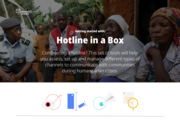
Accessed on 21.05.2020
Considering a hotline? This set of tools will help you assess, set up and manage different types of channels to communicate with communities during humanitarian crises.
The Internews Humanitarian Information Services Learning Collection communicates key lessons, best practices, and programmatic methodologies used by Internews’ humanitarian teams around the world.
Each module within the Learning Collection includes three parts: Context, Case Studies, and a How-To
...
Guide. The Context and Case Studies are packaged separately for ease of use.
more

This guide is designed to assist UNICEF staff and partners, in establishing and
operating Child Friendly Spaces (CFS) in an emergency. It attempts to provide
readers with the main principles of a CFS and the processes on how to establish
one.
The overall aim is to improve the standards and capac
...
ity of field staff, by providing
the required knowledge to support the design and operations of child friendly
spaces.
It will facilitate an understanding of how to develop a CFS in contexts in which
children’s well-being are threatened or damaged as a result of conflict or natural
disasters. More specifically, this guide attempts to broaden and strengthen the
knowledge, skills and attitudes of protection officers/field staff so that they are able
to respond to the multi-faceted needs of children.
more
The document at hand presents key findings from a project undertaken globally between July 2014 and May 2015 to assess progress made by UNHCR country and regional operations to effectively protect lesbian, gay, bisexual, and transgender, and intersex (LGBTI) asylum-seekers and refugees. Globally, 10
...
6 offices, or roughly 90% of eligible country and regional operations, participated in the assessment. The key findings are presented along the following axes: legal, cultural and social context; outreach activities; displacement conditions; asylum and durable solutions; training on issues related to sexual orientation and gender identity (SOGI); operational guidelines and advocacy efforts.
more

Letter of the holy father
Sustainability Science (2019) 14:1343–1354
The European Commission against Racism and Intolerance (ECRI) was established by the Council of Europe. It is an independent body which ensures respect for human rights in the fight against racism, discrimination (based on "race", ethnic/national origin, colour, nationality, religion, language, sexu
...
al orientation and gender identity), xenophobia, anti-Semitism and intolerance. The members of the Commission shall be independent and impartial. They shall be appointed on the basis of their moral authority and recognised expertise in matters of racism, xenophobia, anti-Semitism and intolerance. As part of its statutory mandate, ECRI produces country reports for each country which analyse the situation regarding racism and intolerance in each member State of the Council of Europe and make proposals to resolve the problems identified.
Translated with www.DeepL.com/Translator (free version)
more
Children living in humanitarian crises face an increased risk of abuse. While the threats of harm are increasing, the established systems in place to protect them are breaking down. Faced with the COVID-19 pandemic and its impacts, vulnerable families suffer multiple hardships. Schools are closed an
...
d families have been pushed to the brink of poverty, sometimes having been denied the opportunity to protect and provide for their children.
The report provides an in-depth analysis of 19 Humanitarian Response Plans and Refugee Response Plans from 2019
more
The United Nations Secretary-General, António Guterres, echoed the concerns of people and organisations around the world when he recently referred to the impact of the COVID-19 pandemic on schooling as a
‘generational catastrophe’.
.
Global Report on Internal Displacement 2021 (GRID 2021)
Internal Displacement Monitoring Centre IDMC; Norwegian Refugee Council NRC
Internal Displacement Monitoring Centre IDMC; Norwegian Refugee Council NRC
(2021)
C1
Internal displacement at all-time high after unprecedented year of crises
The total number of people living in internal displacement reached a record 55 million by the end of 2020. During a year marked by intense storms and persistent conflict, 40.5 million new displacements were triggered across
...
the world by disasters and violence, the highest annual figure recorded in a decade.
more
Consolidating Earthquake Safety Assessment Efforts in India. This document provides succinct instructions on how to perform rapid visual screening (RVS), a quick method of earthquake assessment of buildings. It covers a brief description of RVS and its role as a simplified qualitative assessment in
...
the wider methodology of earthquake assessment of buildings, and the recommended forms for pre-earthquake and post-earthquake Level 1 Assessments for seven building typologies. The method recommended by the primer is the BMTPC method which provides both Seismic Safety Index and Performance Rating to a particular building.
more
16.7.2021

Amoris laetitia: Post-Synodal Apostolic Exhortation on love in the family (19 March 2016)
Strategical plan
24 Nov. 2021
Action against gender-based violence being pushed to the outlying margins of the global COVID-19 response
A new Oxfam report shows an undeniable increase in gender-based violence (GBV) during the COVID-19 pandemic around the world to which too many governments and donors are not doi
...
ng enough to tackle.
The report, The Ignored Pandemic: The Dual Crisis of Gender-Based Violence and COVID-19, showed the number of calls made by survivors to domestic violence hotlines in ten countries during the first months of lockdown. The data reveals a 25 – 111 percentage surge; in Argentina (25%), Colombia (79%), Tunisia (43%), China (50%), Somalia (50%), South Africa (69%), UK (25%), Cyprus (39%), Italy (73%) and the largest increase in Malaysia where calls surged by over 111%.
more
