
Filter
2116
Text search:
breastfeeding
women
Featured
197
759
Language
2043
51
43
30
27
15
11
8
6
6
5
5
5
4
4
3
3
3
3
2
2
2
2
2
2
2
2
1
1
1
1
1
1
1
1
1
1
1
1
1
1
1
1
1
1
1
Document type
1417
226
215
61
53
51
40
22
13
9
4
4
1
Countries
125
93
81
63
61
59
57
55
54
52
51
47
47
42
37
36
33
33
27
26
24
23
19
19
18
16
16
16
15
14
14
13
13
12
10
9
9
8
8
7
7
7
7
6
6
6
6
6
5
5
4
4
4
4
4
4
4
3
3
3
3
3
3
3
3
3
3
3
3
2
2
2
2
2
2
2
2
2
1
1
1
1
1
1
1
1
1
1
1
1
1
1
1
1
1
1
1
1
1
Authors & Publishers
203
108
108
95
94
56
47
36
36
35
24
23
22
21
17
16
16
15
15
13
12
12
12
10
10
10
10
9
9
8
8
8
8
8
7
7
7
7
7
7
7
7
7
6
6
6
6
6
6
6
6
6
6
5
5
5
5
5
5
5
5
5
5
5
5
5
5
5
4
4
4
4
4
4
4
4
4
4
4
4
4
4
4
4
4
4
4
4
4
4
4
4
4
4
4
4
4
4
4
4
3
3
3
3
3
3
3
3
3
3
3
3
3
3
3
3
3
3
3
3
3
3
3
3
3
3
3
3
3
3
3
3
3
3
3
3
3
3
3
3
3
3
3
3
3
3
3
3
3
3
3
3
3
2
2
2
2
2
2
2
2
2
2
2
2
2
2
2
2
2
2
2
2
2
2
2
2
2
2
2
2
2
2
2
2
2
2
2
2
2
2
2
2
2
2
2
2
2
2
2
2
2
2
2
2
2
2
2
2
2
2
2
2
2
2
2
2
2
2
2
2
2
2
2
2
2
2
2
2
2
2
2
2
2
2
2
2
2
2
2
2
2
2
2
2
2
2
2
2
2
2
2
2
2
2
2
2
2
2
2
2
2
2
2
2
2
2
2
2
2
2
2
2
2
2
2
2
2
2
2
2
2
2
2
2
2
2
2
2
2
2
2
2
2
2
2
2
2
2
2
2
2
1
1
1
1
1
1
1
1
1
1
1
1
1
1
1
1
1
1
1
1
1
1
1
1
1
1
1
1
1
1
1
1
1
1
1
1
1
1
1
1
1
1
1
1
1
1
1
1
1
1
1
1
1
1
1
1
1
1
1
1
1
1
1
1
1
1
1
1
1
1
1
1
1
1
1
1
1
1
1
1
1
1
1
1
1
1
1
1
1
1
1
1
1
1
1
1
1
1
1
1
1
1
1
1
1
1
1
1
1
1
1
1
1
1
1
1
1
1
1
1
1
1
1
1
1
1
1
1
1
1
1
1
1
1
1
1
1
1
1
1
1
1
1
1
1
1
1
1
1
1
1
1
1
1
1
1
1
1
1
1
1
1
1
1
1
1
1
1
1
1
1
1
1
1
1
1
1
1
1
1
1
1
1
1
1
1
1
1
1
1
1
1
1
1
1
1
1
1
1
1
1
1
1
1
1
1
1
1
1
1
1
1
1
1
1
1
1
1
1
1
1
1
1
1
1
1
1
1
1
1
1
1
1
1
1
1
1
1
1
1
1
1
1
1
1
1
1
1
1
1
1
1
1
1
1
1
1
1
1
1
1
1
1
1
1
1
1
1
1
1
1
1
1
1
1
1
1
1
1
1
1
1
1
1
1
1
1
1
1
1
1
1
1
1
1
1
1
1
1
1
1
1
1
1
1
1
1
1
1
1
1
1
1
1
1
1
1
1
1
1
1
1
1
1
1
1
1
1
1
1
1
1
1
1
1
1
1
1
1
1
1
1
1
1
1
1
1
1
1
1
1
1
1
1
1
1
1
1
1
1
1
1
1
1
1
1
1
1
1
1
1
1
1
1
1
1
1
1
1
1
1
1
1
1
1
1
1
1
1
1
1
1
1
1
1
1
1
1
1
1
1
1
1
1
1
1
1
1
1
1
1
1
1
1
1
1
1
1
1
1
1
1
1
1
1
1
1
1
1
1
1
1
1
1
1
1
1
1
1
1
1
1
1
1
1
1
1
1
1
1
1
1
1
1
1
1
1
1
1
1
1
1
1
1
1
1
1
1
1
1
1
1
1
1
1
1
1
1
1
1
1
1
1
1
1
1
1
1
1
1
1
1
1
1
1
1
1
1
1
1
1
1
1
1
1
1
1
1
1
1
1
1
1
1
1
1
1
1
1
1
1
1
1
1
1
1
1
1
1
1
1
1
1
1
1
1
1
1
1
1
1
1
1
1
1
1
1
1
1
1
1
1
1
1
1
1
1
1
1
1
1
1
1
1
1
1
1
1
1
1
1
1
1
1
1
1
1
1
1
1
1
1
1
1
1
1
1
1
1
1
1
1
1
1
1
1
1
1
1
1
1
1
1
1
1
1
1
1
1
1
1
1
1
1
1
1
1
1
1
1
1
1
1
1
1
1
1
1
1
1
1
1
1
1
1
1
1
1
1
1
1
1
1
1
1
1
1
1
1
1
1
1
1
1
1
1
1
1
1
1
1
1
1
1
1
1
1
1
1
1
1
1
1
1
1
1
1
1
1
1
1
1
1
1
1
1
1
1
1
1
1
1
1
1
1
1
1
1
1
1
1
1
1
1
1
1
1
1
1
1
1
1
1
1
1
1
1
1
1
1
1
1
1
1
1
1
1
1
1
1
1
1
1
1
1
1
1
1
1
1
1
1
1
1
1
1
1
1
1
1
1
1
1
1
1
1
1
1
1
1
1
1
1
1
1
1
1
1
1
1
1
1
1
1
1
1
1
1
1
1
1
1
1
1
1
1
1
1
1
1
1
1
1
1
1
1
1
1
1
1
1
1
1
1
1
1
1
1
1
1
1
1
1
1
1
1
1
1
1
1
1
1
1
1
1
1
1
1
1
1
1
1
1
1
1
1
1
1
1
1
1
1
1
1
1
1
1
1
1
1
1
1
1
1
1
1
1
1
1
1
1
1
1
1
1
1
1
1
1
1
1
1
1
1
1
1
1
1
1
1
1
1
1
1
1
1
1
1
1
1
1
1
1
1
1
1
1
1
1
1
1
1
1
1
1
1
1
1
1
1
1
1
1
1
1
1
1
1
1
1
1
1
1
1
1
1
1
1
1
1
1
1
1
1
1
1
1
1
1
1
1
1
1
1
1
1
1
1
1
1
1
1
1
1
1
1
1
1
1
1
1
1
1
1
1
1
1
1
1
1
1
1
1
1
1
1
1
1
1
1
1
1
1
1
1
1
1
1
1
1
1
1
1
1
1
1
1
1
1
1
1
1
1
1
1
1
1
1
1
1
1
1
1
1
1
1
1
1
1
1
1
1
1
1
1
1
1
1
1
1
1
1
1
1
1
1
1
1
1
1
1
1
1
1
1
1
1
1
1
1
1
1
1
1
1
1
1
1
1
1
1
1
1
1
1
1
1
1
1
1
1
1
1
1
1
1
1
1
1
1
1
1
1
1
1
1
1
1
1
1
1
1
1
1
1
1
1
1
1
1
1
1
1
1
1
1
1
1
1
1
1
1
1
1
1
1
1
1
1
1
1
1
1
1
1
1
1
1
1
1
1
1
1
1
1
1
1
1
1
1
1
1
1
1
1
1
1
1
1
1
1
1
1
1
1
1
1
1
1
1
1
1
1
1
1
1
1
1
1
1
1
1
1
1
1
1
1
1
1
1
1
1
1
1
1
1
1
1
1
1
1
1
1
1
1
1
1
1
1
1
1
1
1
1
1
1
1
1
1
1
1
1
1
1
1
1
1
1
1
1
1
1
1
1
1
1
1
1
1
1
1
1
1
1
1
1
1
1
1
1
1
1
1
1
1
1
1
1
1
1
1
1
1
1
1
1
1
1
1
1
1
1
1
1
1
1
1
1
1
1
1
1
1
1
1
1
1
1
1
1
1
1
1
1
1
1
1
1
1
1
1
1
1
1
1
1
1
1
1
1
1
1
1
1
1
Publication Years
428
1480
201
6
1
Category
1152
231
164
65
60
48
3
Toolboxes
259
120
69
47
46
43
39
30
28
24
24
23
19
17
16
12
12
10
5
5
4
4
1
Glaucoma, a disease that gradually affects the optic nerve, is the second leading cause of vision loss globally, and it continues to pose a challenge to the eye health professionals.
This document is the third iteration of the Flash Appeal for Ukraine, which was originally published on 1 March 2022 and revised once in mid-April. This updated Flash Appeal covers the period of 10 months following the onset of the war in Ukraine that started on 24 February 2022 (i.e., from March to
...
December 2022). The financial requirement of this Flash Appeal reflects the humanitarian needs from March until the end of 2022, taking into account the funding status and the response achievements to date, as well as the realistic projection of response capacity in the second half of the year.
more
Communication to Healthcare Professionals Mar-2020
This guideline is intended to assist healthcare professionals in the participation of very important process of continuous surveillance of safety and efficacy of the health products which are used in their clinical practice. Continuous evaluation o
...
f medicines’ benefit and harm help to achieve the ultimate goal of safe and effective treatments available to patients.
The guideline is intended to assist healthcare professionals in the reporting of suspected adverse drug reactions (ADRs) associated with the use of all registered health products, including medicines, old medicines, medical devices and in-vitro diagnostics (IVDs).
more
En 2015, murieron 5,9 millones de niños menores de cinco años (1). Las principales causas de muerte en los niños a nivel mundial son la neumonía, la prematuridad, las complicaciones durante el parto, la sepsis neonatal, las anomalías congénitas, las enfermedades diarreicas, las lesiones
...
y la malaria (2). La mayoría de estas enfermedades y condiciones son provocadas al menos en parte por el medio ambiente.
more
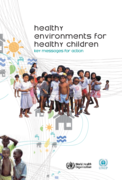
This booklet presents key messages for action, summarized from a set of
chapters on different environmental health issues.
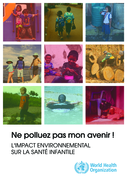
En 2015, 5,9 millions d'enfants de moins de cinq ans sont décédés (1). Les principales causes de mortalité infantile dans le monde sont la pneumonie, la prématurité, les complications durant l'accouchement, la septicémie néonatale, les anomalies congénitales, la diarrhée, les tra
...
umatismes accidentels et le paludisme (2). La plupart de ces maladies et de ces problèmes sont, du moins en partie, causés par l'environnement. On a estimé en 2012 que 26 % des décès infantiles et 25 % de la charge totale de morbidité des enfants de moins de cinq ans pourraient être évités par la réduction des risques environnement aux tels que la pollution de l'air, l'insalubrité de l'eau, les mauvaises conditions d'hygiène et d'assainissement ou les produits chimiques.
more
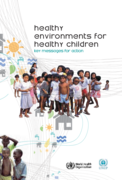
This booklet presents key messages for action, summarized from a set of chapters on different environmental health issues, available at www.who.int/ ceh/publications/healthyenvironmentsforhealthychildren. The work is a result of an on-going partnership between WHO, UNEP and UNICEF in the area of chi
...
ldren’s environmental health, and seeks to update the 2002 joint publication “Children in the New Millennium: Environmental Impact on Health.”
more

In 2015, 26% of the deaths of 5.9 million children who died before reaching their fifth birthday could have been prevented
through addressing environmental risks – a shocking missed opportunity. The prenatal and early childhood period represents
a window of particular vulnerability, where enviro
...
nmental hazards can lead to premature birth and other complications,
and increase lifelong disease risk including for respiratory disorders, cardiovascular disease and cancers. The environment
thus represents a major factor in children’s health, as well as a major opportunity for improvement, with effects seen in every
region of the world.
more
This European compendium was produced to provide operational examples of the new nursing and midwifery roles and new service delivery models currently being employed across the Region. The case studies directly relate to the priority areas in Health 2020 and exemplify the types of activities needed
...
to fully implement the objectives within the Strategic Directions framework.
more
Standard Treatment Guidelines and Essential Medicines List for South Africa : Primary Healthcare Level 2020 edition
the Essential Drugs Programme, the PHCAdult Hospital Level Expert review Committee, the National Essential Medicines List Committee
National Department of Health South Africa
(2020)
CC
The PHC STGs and EML should be used by healthcare workers providing care at clinics, community health centres, and gateway clinics at hospitals.
Pharmaceutical and Therapeutics Committees (PTCs) are responsible for ensuring the availability of medicines listed in the PHC EML at those facilities, as
...
well as at higher levels of care.
more

180
Biomédica 2018;38:180-8
Lea este folleto para informarse sobre la TB y lo que puede hacer
para curarse. Colóquelo a mano para consultarlo y leerlo cuando
tenga preguntas. Siga el tratamiento para curarse de la TB.
Epidemics of infectious diseases are occurring more often, and spreading faster and further than ever, in many different regions of the world. The background factors of this threat are biological, environmental and lifestyle changes, among others. A potentially fatal combination of newly-discovered
...
diseases, and the re-emergence of many long-established ones, demands urgent responses in all countries. Planning and preparation for epidemic prevention and control are essential. The purpose of this “Managing epidemics” manual is to provide expert guidance on those responses.
more
Cancer in sub-Saharan Africa
recommended
Lancet Oncol 2022; 23: e251–312Published OnlineMay 9, 2022 https://doi.org/10.1016/S1470-2045(21)00720-8
In sub-Saharan Africa (SSA), urgent action is needed to curb a growing crisis in cancer incidence and mortality.
Without rapid interventions, data estimates show a major increase in cancer mo
...
rtality from 520 348 in 2020 to about
1 million deaths per year by 2030. Here, we detail the state of cancer in SSA, recommend key actions on the basis of
analysis, and highlight case studies and successful models that can be emulated, adapted, or improved across the
region to reduce the growing cancer crises. Recommended actions begin with the need to develop or update national
cancer control plans in each country. Plans must include childhood cancer plans, managing comorbidities such as
HIV and malnutrition, a reliable and predictable supply of medication, and the provision of psychosocial, supportive,
and palliative care. Plans should also engage traditional, complementary, and alternative medical practices employed
by more than 80% of SSA populations and pathways to reduce missed diagnoses and late referrals. More substantial
investment is needed in developing cancer registries and cancer diagnostics for core cancer tests.
more
Saving lives is the priority of WHO’s response in Ukraine. WHO works to ensure time-critical, lifesaving multisectoral assistance, non-discriminatory access to emergency and essential health services and priority prevention programmes, and laying the foundation for longer-term health systems recov
...
ery and strengthening.
more
Peru − Progress in health and sciences in 200 years of independence
Carrillo-Larco; R.M.; Guzman-Vilca, W. C.; Leon-Velarde, F.; et al.
The Lancet Regional Health - Americas
(2021)
CC
Peru celebrates 200 years of independence in 2021. Over this period of independent life, and despite the turbulent socio-political scenarios, from internal armed conflict to economic crisis to political instability over the last 40 years, Peru has experienced major changes on its epidemiological and
...
population health profile. Major advancements in maternal and child health as well as in communicable diseases have been achieved in recent decades, and today
Peru faces an increasing burden of non-communicable diseases including mental health conditions. In terms of the configuration of the public health system, Peru has also strived to secure country-wide optimal health care, struggling in particular to improve primary health care and intercultural services.
more
Bangladesh: Demographic Health Survey 2017-2018
National Institute of Population Research and Training (NIPORT) and ICF
USAID (from the american people)
(2020)
C2
The survey highlights changes that have taken place in Bangladesh’s demographic and health situation since the previous BDHS surveys. The survey provides important information for policymakers and program personnel in addressing the monitoring and evaluation needs of the 4th Health, Population and
...
Nutrition Sector Program (4th HPNSP) of the Ministry of Health Family Welfare (MOHFW).
more
