
Filter
3295
Text search:
Centre
for
Clinical
Interventions
Featured
373
892
Language
3111
147
56
37
32
15
13
10
7
3
3
3
2
2
2
2
1
1
1
1
1
1
1
1
1
1
1
1
1
1
1
1
1
1
Document type
1934
478
454
176
124
60
33
22
6
3
3
2
Countries / Regions
194
115
101
87
87
86
66
61
60
58
56
53
52
51
50
48
47
46
41
38
38
33
32
26
26
23
23
21
20
20
20
19
17
17
17
16
14
14
13
13
12
12
10
10
9
9
9
8
8
8
8
7
6
6
6
6
6
6
5
5
5
5
5
5
5
4
4
4
4
4
4
4
4
4
3
3
3
3
2
2
2
2
2
2
2
2
2
2
2
2
2
2
2
2
2
1
1
1
1
1
1
1
1
1
1
1
1
1
1
1
1
1
1
1
1
1
1
1
1
1
1
1
Authors & Publishers
548
224
174
107
88
72
63
50
41
36
27
26
24
21
17
17
17
16
16
16
15
14
14
14
14
14
13
12
12
12
12
12
12
11
11
11
11
11
10
10
10
9
9
9
9
9
9
9
8
8
8
8
8
8
8
8
7
7
7
7
7
7
6
6
6
6
6
6
6
6
6
6
6
6
6
6
6
6
5
5
5
5
5
5
5
5
5
5
5
5
5
5
5
4
4
4
4
4
4
4
4
4
4
4
4
4
4
4
4
4
4
4
4
4
4
4
4
4
4
4
4
4
4
4
4
4
4
4
4
4
4
4
4
4
4
4
4
4
4
4
4
4
4
4
4
3
3
3
3
3
3
3
3
3
3
3
3
3
3
3
3
3
3
3
3
3
3
3
3
3
3
3
3
3
3
3
3
3
3
3
3
3
3
3
3
3
3
3
3
3
3
3
3
3
3
3
3
3
3
3
3
3
3
3
3
3
3
3
3
3
3
3
3
3
3
3
3
2
2
2
2
2
2
2
2
2
2
2
2
2
2
2
2
2
2
2
2
2
2
2
2
2
2
2
2
2
2
2
2
2
2
2
2
2
2
2
2
2
2
2
2
2
2
2
2
2
2
2
2
2
2
2
2
2
2
2
2
2
2
2
2
2
2
2
2
2
2
2
2
2
2
2
2
2
2
2
2
2
2
2
2
2
2
2
2
2
2
2
2
2
2
2
2
2
2
2
2
2
2
2
2
2
2
2
2
2
2
2
2
2
2
2
2
2
2
2
2
2
2
2
2
2
2
2
2
2
2
2
2
2
2
2
2
2
2
2
2
2
2
2
2
2
2
2
2
2
2
2
2
2
2
2
2
2
2
2
2
2
2
2
2
2
2
2
2
2
2
2
2
2
2
2
2
2
2
2
2
2
2
2
2
2
2
2
2
1
1
1
1
1
1
1
1
1
1
1
1
1
1
1
1
1
1
1
1
1
1
1
1
1
1
1
1
1
1
1
1
1
1
1
1
1
1
1
1
1
1
1
1
1
1
1
1
1
1
1
1
1
1
1
1
1
1
1
1
1
1
1
1
1
1
1
1
1
1
1
1
1
1
1
1
1
1
1
1
1
1
1
1
1
1
1
1
1
1
1
1
1
1
1
1
1
1
1
1
1
1
1
1
1
1
1
1
1
1
1
1
1
1
1
1
1
1
1
1
1
1
1
1
1
1
1
1
1
1
1
1
1
1
1
1
1
1
1
1
1
1
1
1
1
1
1
1
1
1
1
1
1
1
1
1
1
1
1
1
1
1
1
1
1
1
1
1
1
1
1
1
1
1
1
1
1
1
1
1
1
1
1
1
1
1
1
1
1
1
1
1
1
1
1
1
1
1
1
1
1
1
1
1
1
1
1
1
1
1
1
1
1
1
1
1
1
1
1
1
1
1
1
1
1
1
1
1
1
1
1
1
1
1
1
1
1
1
1
1
1
1
1
1
1
1
1
1
1
1
1
1
1
1
1
1
1
1
1
1
1
1
1
1
1
1
1
1
1
1
1
1
1
1
1
1
1
1
1
1
1
1
1
1
1
1
1
1
1
1
1
1
1
1
1
1
1
1
1
1
1
1
1
1
1
1
1
1
1
1
1
1
1
1
1
1
1
1
1
1
1
1
1
1
1
1
1
1
1
1
1
1
1
1
1
1
1
1
1
1
1
1
1
1
1
1
1
1
1
1
1
1
1
1
1
1
1
1
1
1
1
1
1
1
1
1
1
1
1
1
1
1
1
1
1
1
1
1
1
1
1
1
1
1
1
1
1
1
1
1
1
1
1
1
1
1
1
1
1
1
1
1
1
1
1
1
1
1
1
1
1
1
1
1
1
1
1
1
1
1
1
1
1
1
1
1
1
1
1
1
1
1
1
1
1
1
1
1
1
1
1
1
1
1
1
1
1
1
1
1
1
1
1
1
1
1
1
1
1
1
1
1
1
1
1
1
1
1
1
1
1
1
1
1
1
1
1
1
1
1
1
1
1
1
1
1
1
1
1
1
1
1
1
1
1
1
1
1
1
1
1
1
1
1
1
1
1
1
1
1
1
1
1
1
1
1
1
1
1
1
1
1
1
1
1
1
1
1
1
1
1
1
1
1
1
1
1
1
1
1
1
1
1
1
1
1
1
1
1
1
1
1
1
1
1
1
1
1
1
1
1
1
1
1
1
1
1
1
1
1
1
1
1
1
1
1
1
1
1
1
1
1
1
1
1
1
1
1
1
1
1
1
1
1
1
1
1
1
1
1
1
1
1
1
1
1
1
1
1
1
1
1
1
1
1
1
1
1
1
1
1
1
1
1
1
1
1
1
1
1
1
1
1
1
1
1
1
1
1
1
1
1
1
1
1
1
1
1
1
1
1
1
1
1
1
1
1
1
1
1
1
1
1
1
1
1
1
1
1
1
1
1
1
1
1
1
1
1
1
1
1
1
1
1
1
1
1
1
1
1
1
1
1
1
1
1
1
1
1
1
1
1
1
1
1
1
1
1
1
1
1
1
1
1
1
1
1
1
1
1
1
1
1
1
1
1
1
1
1
1
1
1
1
1
1
1
1
1
1
1
1
1
1
1
1
1
1
1
1
1
1
1
1
1
1
1
1
1
1
1
1
1
1
1
1
1
1
1
1
1
1
1
1
1
1
1
1
1
1
1
1
1
1
1
1
1
1
1
1
1
1
1
1
1
1
1
1
1
1
1
1
1
1
1
1
1
1
1
1
1
1
1
1
1
1
1
1
1
1
1
1
1
1
1
1
1
1
1
1
1
1
1
1
1
1
1
1
1
1
1
1
1
1
1
1
1
1
1
1
1
1
1
1
1
1
1
1
1
1
1
1
1
1
1
1
1
1
1
1
1
1
1
1
1
1
1
1
1
1
1
1
1
1
1
1
1
1
1
1
1
1
1
1
1
1
1
1
1
1
1
1
1
1
1
1
1
1
1
1
1
1
1
1
1
1
1
1
1
1
1
1
1
1
1
1
1
1
1
1
1
1
1
1
1
1
1
1
1
1
1
1
1
1
1
1
1
1
1
1
1
1
1
1
1
1
1
1
1
1
1
1
1
1
1
1
1
1
1
1
1
1
1
1
1
1
1
1
1
1
1
1
1
1
1
1
1
1
1
1
1
1
1
1
1
1
1
1
1
1
1
1
1
1
1
1
1
1
1
1
1
1
1
1
1
1
1
1
1
1
1
1
1
1
1
1
1
1
1
1
1
1
1
1
1
1
1
1
1
1
1
1
1
1
1
1
1
1
1
1
1
1
1
1
1
1
1
1
1
1
1
1
1
1
1
1
1
1
1
1
1
1
1
1
1
1
1
1
1
1
1
1
1
1
1
1
1
1
1
1
1
1
1
1
1
1
1
1
1
1
1
1
1
1
1
1
1
1
1
1
1
1
1
1
1
1
1
1
1
1
1
1
1
1
1
1
1
1
1
1
1
1
1
1
1
1
1
1
1
1
1
1
1
1
1
1
1
1
1
1
1
1
1
1
1
1
1
1
1
1
1
1
1
1
1
1
1
1
1
1
1
1
1
1
1
1
1
1
1
1
1
1
1
1
1
1
1
1
1
1
1
1
1
1
1
1
1
1
1
1
1
1
1
1
1
1
1
1
1
1
1
1
1
1
1
1
1
1
1
1
1
1
1
1
1
1
1
1
1
1
1
1
1
1
1
1
1
1
1
1
1
1
1
1
1
1
1
1
1
1
1
1
1
1
1
1
1
1
1
1
1
1
1
1
1
1
1
1
1
1
1
1
1
1
1
1
1
1
1
1
1
1
1
1
1
1
1
1
1
1
1
1
1
1
1
1
1
1
1
1
1
1
1
1
1
1
1
1
1
1
1
1
1
1
1
1
1
1
1
1
1
1
1
1
1
1
1
1
1
1
1
1
1
1
1
1
1
1
1
1
1
1
1
1
1
1
1
1
1
1
1
1
1
1
1
1
1
1
1
1
1
1
1
1
1
1
1
1
1
1
1
1
1
1
1
1
1
1
1
1
1
1
1
1
1
1
1
1
1
1
1
1
1
1
1
1
1
1
1
1
1
1
1
1
1
1
1
1
1
1
1
1
1
1
1
1
1
1
1
1
1
1
1
1
1
1
1
1
1
1
1
1
1
1
1
1
1
1
1
1
1
1
1
1
1
1
1
1
1
1
1
1
1
1
1
1
1
1
1
1
1
1
1
1
1
1
1
1
1
1
1
1
1
1
1
1
1
1
1
1
1
1
1
1
1
1
1
1
1
1
1
1
1
1
1
1
1
1
1
1
1
1
1
1
1
1
1
1
1
1
1
1
1
1
1
1
1
1
1
1
1
1
1
1
1
1
1
1
1
1
1
1
1
1
1
1
1
1
1
1
1
1
1
1
1
1
1
1
1
1
1
1
1
1
1
1
1
1
1
1
1
1
1
1
1
1
1
1
1
1
1
1
1
1
1
1
1
1
1
1
1
1
1
1
1
1
1
1
1
1
1
1
1
1
1
1
1
1
1
1
1
1
1
1
1
1
1
1
1
1
1
1
1
1
1
1
1
1
1
1
1
1
1
1
1
1
1
1
1
1
1
1
1
1
1
1
1
1
1
1
1
1
1
1
1
1
1
1
1
1
1
1
1
1
1
1
1
1
1
1
1
1
1
1
1
1
1
1
1
1
1
1
1
1
1
1
1
1
1
1
1
1
1
1
1
1
1
1
1
1
1
1
1
1
1
1
1
1
1
1
1
1
1
1
1
1
1
1
1
1
1
1
1
1
1
1
1
1
1
1
1
1
1
1
1
1
1
1
1
1
1
1
1
1
1
1
1
1
1
1
1
1
1
1
1
1
1
1
1
1
1
1
1
1
1
1
1
1
1
1
1
1
1
1
1
1
1
1
1
1
1
1
1
1
1
1
1
1
1
1
1
1
1
1
1
1
1
1
1
1
1
1
1
1
1
1
1
1
1
1
1
1
1
1
1
1
1
1
1
1
1
1
1
1
1
1
1
1
1
1
1
1
1
1
1
1
1
1
1
1
1
1
1
1
1
1
1
1
1
1
1
1
1
1
1
1
1
1
1
1
1
1
1
1
1
1
1
1
1
1
1
1
1
1
1
1
1
1
1
1
1
1
1
1
1
1
1
1
1
1
1
1
1
1
1
1
1
1
1
1
1
1
1
1
1
1
1
1
1
1
1
1
1
1
1
1
1
1
1
1
1
1
1
1
1
1
1
1
1
1
1
1
1
1
1
1
1
1
1
1
1
1
1
1
1
1
1
1
1
1
1
1
1
1
1
1
1
1
1
1
1
1
1
1
1
1
1
1
1
1
1
1
1
1
1
1
1
1
1
1
1
1
1
1
1
1
1
1
1
1
1
1
1
1
1
1
1
1
1
1
1
1
1
1
1
1
1
1
1
1
1
1
1
1
1
1
1
1
1
1
1
1
1
1
1
1
1
1
1
1
1
1
1
1
1
1
1
1
1
1
1
1
1
1
1
1
1
1
1
1
1
1
1
1
1
1
1
1
1
1
1
1
1
1
1
1
1
1
1
1
1
1
1
1
1
1
1
1
1
1
1
1
1
1
1
1
1
1
1
1
1
1
1
1
1
1
1
1
1
1
1
1
1
1
1
1
1
1
1
1
1
1
1
1
1
1
1
1
1
1
1
1
1
1
1
1
1
1
1
1
1
1
1
1
1
1
1
1
1
1
1
1
1
1
1
1
1
1
1
1
1
1
1
1
1
1
1
1
1
1
1
1
1
1
1
1
1
1
1
1
1
1
1
1
1
1
1
1
1
1
1
1
1
1
1
1
1
1
1
1
1
1
1
1
1
1
1
1
1
1
1
1
1
1
1
1
1
1
1
1
1
1
1
1
1
1
1
1
1
1
1
1
1
1
1
1
1
1
1
1
1
1
1
1
1
1
1
1
1
1
1
1
1
1
1
1
1
1
1
1
1
1
1
1
1
1
1
1
1
1
1
1
1
1
1
1
1
1
1
1
1
1
1
1
1
1
1
1
1
1
1
1
1
1
1
1
1
1
1
1
1
1
1
1
1
1
1
1
1
1
1
1
1
1
1
1
1
1
1
1
1
1
1
1
1
1
1
1
1
1
1
1
1
1
1
1
1
1
1
1
1
1
1
1
1
1
1
1
1
1
1
1
1
1
1
1
1
1
1
1
1
1
1
1
1
1
1
1
1
1
1
1
1
1
1
1
1
1
1
1
1
1
1
1
1
Publication Years
820
2162
300
12
1
Category
1229
333
204
185
82
62
30
2
Toolboxes
360
315
220
207
136
119
112
91
79
76
72
62
61
51
37
35
22
16
16
16
14
7
4
1
Orientations provisoires, 2 février 2021
e document est une mise à jour des orientations provisoires de l’Organisation mondiale de la Santé (OMS) intitulées Coronavirus disease (COVID-19) outbreak: rights, roles and responsibilities of health workers, including key considerations
...
for occupational safety and health,publiées le 18 mars 2020(1). La présente version, qui se fonde sur les données récentes disponibles, fournit des conseils sur les mesures de santé et de sécurité au travail pour les agents de santé et les services de santé au travail dans le contexte de la pandémie de COVID-19. De plus, elle actualise les droits et responsabilités en matière de santé et de sécurité au travail des agents de santé conformément aux normes de l’Organisation internationale du Travail (OIT).
more
13 July 2021
The module provides an overview of factors to consider when monitoring the safety of COVID-19 vaccines administered to pregnant and breastfeeding women. It describes how national routine AEFI surveillance should be adapted to cater for
...
this specific group of population using both passive and active surveillance methods. Specific considerations and limitations of each method are provided as well as tools for implementation.
more
Healthy communities rely on well-functioning ecosystems. They provide clean air, fresh water, medicines and food security. They also limit disease and stabilize the climate. But biodiversity loss is happening at unprecedented rates, impacting human health worldwide, according to a new state of knowl
...
edge review of the Convention on Biological Diversity (CBD) and WHO.
The report synthesizes the available information on the most important inter-linkages between biodiversity, ecosystem stability, and epidemic infectious diseases such as the Ebola virus; and the connection between biodiversity, nutritional diversity and health. It also covers the potential benefits of closer partnerships between conservation and health, from improved surveillance of infectious diseases in wildlife and human populations, to promoting access to green spaces to promote physical activity and mental health. It also highlights the many areas in which further research is needed.
The Joint report hopes to provide a useful reference for the Sustainable Development Goals and post-2015 development agenda, which represents an unique opportunity to promote integrated approaches to biodiversity and health by highlighting that biodiversity contributes to human well-being, and highlighting that biodiversity needs protection for development to be sustainable.
more
The 20th century was a period of unprecedented ecological change, with dramatic reductions in natural ecosystems and biodiversity and equally dramatic increases in people and domestic animals. Never before have so many animals been kept by so many people—and never before have so many opportunities
...
existed for pathogens to pass from wild and domestic animals through the biophysical environment to affect people causing zoonotic diseases or zoonoses. The result has been a worldwide increase in emerging zoonotic
diseases, outbreaks of epidemic zoonoses as well as a rise in foodborne zoonoses globally, and a troubling persistence of neglected zoonotic diseases in poor countries.
more
The Lancet Planetary Health, Vol.5 Issue 2, Feb. 1,2021.
Nationally determined contributions (NDCs) serve to meet the goals of the Paris Agreement of staying “well below 2°C”, which could also yield substantial health co-benefits in the process. However, existing NDC commitments are inadequa
...
te to achieve this goal. Placing health as a key focus of the NDCs could present an opportunity to increase ambition and realise health co-benefits. We modelled scenarios to analyse the health co-benefits of NDCs for the year 2040 for nine representative countries (ie, Brazil, China, Germany, India, Indonesia, Nigeria, South Africa, the UK, and the USA) that were selected for their contribution to global greenhouse gas emissions and their global or regional influence.
more
Getting on track to end AIDS as a public health threat by 2030. This new Road Map charts a way forward for country-level actions to achieve an ambitious set of HIV prevention targets by 2025. Those targets emerged from the 2021 Political Declaration
...
on HIV and AIDS, which the United Nations General Assembly adopted in June 2021 and they are underpinned by the Global AIDS Strategy (2021–2026). The Strategy sets out the principles, approaches, priority action area and programmatic targets for the global HIV response
more
A qualitative assessment of knowledge gaps about female genital schistosomiasis among communities living in Schistosoma haematobium endemic districts of Zanzibar and Northwestern Tanzania.
PloS Neglected Tropical Diseases September 30, 2021 https://doi.org/10.1371/journal.pntd.0009789
Schistosoma
...
haematobium causes urogenital schistosomiasis and is widely distributed in Tanzania. In girls and women, the parasite can cause Female Genital Schistosomiasis (FGS), a gynecological manifestation of schistosomiasis that is highly neglected and overlooked by public health professionals and policy makers. This study explored community members’ knowledge, attitudes and perceptions (KAP) on and health seeking behavior for FGS.
more
Mem Inst Oswaldo Cruz, Rio de Janeiro, Vol. 117: e200460, 2022
Integrating the multiple dimensions of the problem into a coherent approach adapted to field realities and needs represents an immense challenge, but the payoff is more effective and sustainable experiences, with higher social awareness
...
, increased case detection and follow-up, improved adherence to care, and integrated participation of various actors from multiple action levels. Information, Education, and Communication (IEC) initiatives have great potential for impact in the implementation of multidimensional programs of prevention and control successfully customised to the diverse and complex contexts where Chagas disease persists.
more
Today, patient harm due to unsafe care is a large and growing global public health challenge and is one of the
leading causes of death and disability worldwide. Most of this patient harm is avoidable. As countries strive to
achieve universal health coverage and the Sustainable Development Goals, t
...
he beneficial effects of improved
access to health services can be undermined by unsafe care. Patient safety incidents can cause death and
disability, and suffering for victims and their families. The financial and economic costs of safety lapses are high.
There is often reduced public confidence and trust in local health systems when such incidents are publicized.
Health workers involved in serious incidents involving death or serious harm to a patient can also suffer lasting
psychological harm and deep-seated feelings of guilt and self-criticism.
more
A corruption event in 2009 led to changes in how donors supported the Zambian health system. Donor funding was withdrawn from the district basket mechanism, originally designed to pool donor and government financing for primary care. The withdrawal
...
of these funds from the pooled financing mechanism raised questions from Government and donors regarding the impact on primary care financing during this period of aid volatility.
more

The International Rescue Committee (IRC) is a leading humanitarian agency dedicated to helping people whose lives have been shattered by conflict and disaster to survive, recover, and gain control of their future. Health comprises nearly half of IRC’s program portfolio globally and encompasses thr
...
ee sectors: 1) Primary Health (including child health, sexual and reproductive health and rights, and mental health); 2) Nutrition; and 3) Environmental Health. IRC health programming across its portfolio, in terms of the size and breadth, responds to significant needs in crisis affected settings, improving health and wellbeing while reducing causes of ill-health.
This five-year Health Strategy sharpens our focus on where we can have the most impact. It guides our efforts in planning, technical assistance, business development, advocacy, and internal and external collaboration. Through this strategy, we will invest and grow in areas that will help us achieve high impact at scale for our clients. For the next five years these priorities will include: Nutrition; Immunization: Infectious Disease Prevention and Control; Last Mile Delivery of Primary Health Care: Clean Water.
Our strategy aligns with Strategy 100 (S100) and Strategy Action Plans (SAPs). It lays out how IRC, through health, nutrition, and Environmental Health (EH) programming, will advance the IRC’s S100 ambitions, respond to global trends, and capitalize on our value add. The strategy will be complemented by delivery plans that detail investments, actions, and roles and responsibilities to advance our priorities. At the end of FY24, we will take stock of the implementation of the strategy, measure progress towards achieving our goals, and review if it continues to be fit for purpose.
more
In 2014, the World Heart Federation (WHF) launched
an initiative to develop a series of Roadmaps [1e6]. Their
aim is to identify potential roadblocks on the pathway to
effective prevention, detection, and management of cardiovascular disease (CVD), along with evidence-based
solutions to overcome
...
them. The resulting documents
provide a framework to translate strategic intent into action
on integrating epidemiology, population, and cardiovascular outcome trial data into national plans for optimal
CVD management.
more
Asthma is the most common chronic respiratory disease among school-going adolescents worldwide. However, the burden of severe asthma is highest in Sub-Saharan Africa. This study aimed to explore teachers’ perceptions of asthma care across six African countries. We conducted focus group discussions
...
(FGDs) using a semi-structured interview guide. Interviews were audio-recorded, transcribed verbatim and analysed thematically. FGDs were conducted in Kumasi(Ghana), Blantyre (Malawi), Lagos (Nigeria), Durban (South Africa), Kampala (Uganda), and Harare (Zimbabwe) between 01 November 2020 and 30 June 2021. We identified two key themes related to asthma care; barriers to asthma care and suggestions to improve the care of adolescents with asthma. Barriers reported by teachers included a lack of knowledge and skills among themselves, adolescents, and caregivers. In addition, some traditional beliefs of teachers on asthma exacerbated challenges with asthma care in schools. Regarding suggestions, most teachers identified a need for all-inclusive asthma training programmes for teachers, adolescents and caregivers, focusing on acute episodes and mitigating triggers. Utilising teachers with personal experiences with asthma to advocate and support these initiatives was suggested. Further suggestions included the need for annual screening to enable early identification of adolescents with asthma and clarify restrictions on teachers administering asthma medications. Teachers across African schools identify multiple barriers to asthma care. Structured school education programs and annual asthma screening are key to addressing some barriers to care.
more
WHO published the first COVID-19 Strategic Response and Preparedness Plan (SPRP) on 3 February, 2020. This report highlights the main points of progress that were made up to 30 June 2020 under the three objectives outlined in the SPRP: scaling up international coordination and support; scaling up co
...
untry preparedness and response by pillar; and accelerating research and innovation. The report also discusses some of the key challenges faced so far, and provides an update on the resource requirements for the next phase of WHO’s response as part of an unprecedented whole-of-UN approach to the pandemic.
more
The report focuses on antibacterial resistance (ABR) in common bacterial pathogens. There is a major gap in knowledge about the magnitude of this problem. Antimicrobial resistance (AMR) threatens the effective revention and treatment of an ever-increasing range of infections caused by bacteria, para
...
sites, viruses and fungi. This WHO report, produced in collaboration with Member States and other partners, provides for the first time, as accurate a picture as is presently possible of the magnitude of AMR and the current state of surveillance globally. It examines the information on AMR, in particular antibacterial resistance (ABR), at country level worldwide.
more
Global update on HIV treatment 2013: Results, impact and opportunities
World Health Organization; UNICEF; UNAIDS
(2013)
Chapter 1 provides new data on the latest developments in the global treatment effort, highlighting positive trends as well as aspects that require improvement. Chapter 2 summarizes the impact of the scale-up in reducing AIDS-related mortality and new HIV infections. Chapter 3 examines the sequence
...
of steps in the continuum of care from HIV diagnosis to successful provision of ART services and outlines key supportive innovations. Chapter 4 discusses the implications and anticipated impact of the new "Consolidated guidelines on the use of ARV drugs for treating and preventing HIV infection
more
WHO has issued a new recommendation on the length of bladder catheterization following surgical repair of a simple obstetric urinary fistula. Currently the length of catheterization is not standard and ranges from 5 to 42 days. The new guidance recommends a 7–10 day period of bladder catheterizati
...
on to allow complete healing. Longer periods of catheterization can be inconvenient for the woman, her family and care providers as it is associated with more discomfort and inconvenience. It also increases the risk of infection and erosion related to catheterization; requires more intensive nursing care and costs more per patient.
more

To complement the Global Strategy progress reporting, this report provides a detailed look at country leadership and action toward the Every Newborn National Milestones by 2020. Countries have taken the initiative to show the way forward and have demonstrated significant progress. As part of monitor
...
ing this progress, countries have adopted the Every Newborn Tracking Tool. This report presents a compilation of the data collated by the Every Newborn Tracking Tool in 2016, when 51 countries adopted the tool; it also spotlights examples of specific country activity for each National Milestone. Finally, Global Milestones for 2020 were part of the Every Newborn Action Plan to guide global and regional work in support of country efforts and this report highlights relevant progress towards those Global Milestones.
more
This paper focuses on the Sustainable Development Goals related to poverty, economic growth, inequality, health, food production and the environment. It presents concrete examples of the underlying and complex aspects of antibiotic resistance and its impacts across different Sustainable Development
...
Goals. The aim of this paper is to inform and stimulate discussions on how to further advance the implementation of 2030 Agenda for Sustainable Development, the Global Action Plan on Antimicrobial Resistance, National Action plans on Antimicrobial Resistance, as well as work within all sectors that affect and are affected by antibiotic resistance
more
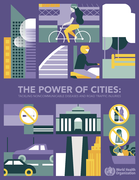
The report is geared towards mayors, local government officials and city policy planners.It highlights key areas where city leaders can tackle the drivers of NCDs, including tobacco use, air pollution, poor diets and lack of exercise, and improve road safety.
From anti-tobacco actions in Beijing a
...
nd Bogor, to road safety initiatives in Accra and Bangkok, a bike sharing scheme in Fortaleza, and actions to create walkable streets for seniors that have reduced elderly pedestrian deaths by 16% in New York City, the report aims to share knowledge between urban policy planners.
Of the 19 case studies cited, 15 are from developing countries, where 85% of premature adult deaths through NCDs take place, and over 90% of road traffic fatalities are recorded. You can download the case studieson the website https://www.who.int/ncds/publications/tackling-ncds-in-cities/en/.
Over 90% of future urban population growth will be in low or middle-income countries, and seven of the world’s 10 largest cities are in developing countries.
more
