Filter
672
Text search:
World
Food
Programme
WFP
Featured
53
285
Language
Document type
426
108
54
28
25
18
4
3
2
2
1
1
Countries
42
33
32
26
25
24
22
22
21
17
16
15
15
13
12
12
11
10
10
9
9
8
8
8
8
8
7
6
6
6
5
5
5
5
5
4
4
4
3
3
3
3
3
3
3
3
3
2
2
2
2
2
2
2
2
2
2
2
2
2
1
1
1
1
1
1
1
1
1
1
1
1
1
1
1
1
1
1
1
1
1
Authors & Publishers
Publication Years
Category
303
53
33
15
10
6
2
Toolboxes
90
73
53
44
30
20
20
16
15
11
9
9
6
6
4
3
2
2
1
Community-Based Management of Acute Malnutrition (CMAM) is a decentralised community-based approach to treating acute malnutrition. Treatment is matched to the nutritional and clinical needs of the child, with the majority children receiving treatment at home using ready-to-use foods. In-patient car
...
Strengthening resilient agricultural livelihoods
Level 3 responses are activated in the most complex and challenging humanitarian emergencies, when the highest level of mobilization is required across the humanitarian system. Even before the conflict escalated, the country suffered high levels of p
...
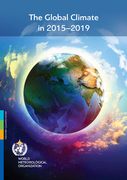
Compared to the previous five-year assessment period 2011–2015, the current five-year period 2015–2019 has seen a continued increase in carbon dioxide (CO2 ) emissions and an accelerated increase in the atmospheric concentration of major greenhouse gases (GHGs), with growth rates nearly 20% high
...
The social protection landscape for people affected by TB in the WHO South-East Asia Region
GFDRR Knowledge Notes
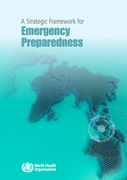
The Strategic Framework for Emergency Preparedness is a unifying framework which identifies the principles and elements of effective country health emergency preparedness. It adopts the major lessons of previous initiatives and lays out the planning and implementation process by which countries can
...

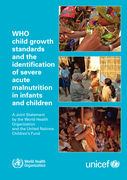
WHO child growth standards and the identification of severe acute malnutrition in infants and children
recommended
A Joint Statement by the World Health Organization and the United Nations Children’s Fund.
Second Generation, WHO Country Cooperation Strategy, 2010–2015, Namibia


The checklist is aligned with, and builds upon, existing COVID-19-related WHO guidelines and is structured around protective measures related to: 1) hand hygiene and respiratory etiquette; 2) physical distancing; 3) use of masks in schools; 4) environmental cleaning and ventilation; and 5) respectin
...
Economic conditions in Syria are projected to continue to be mired by prolonged armed conflict, turmoil in Lebanon and Turkey, COVID-19, and the war in Ukraine. Subject to extraordinarily high uncertainty, we project that Syria’s real GDP will contract by 2.6 percent in 2022 (to US$ 15.5 billion i
...