
Filter
378
Text search:
T.
N.
Saw
Featured
Recommendations
22
New Publications
79
Language
Document type
No document type
209
Studies & Reports
127
Manuals
13
Guidelines
13
Strategic & Response Plan
9
Training Material
3
Situation Updates
1
Resource Platforms
1
Infographics
1
Fact sheets
1
Countries / Regions
Global
25
India
17
Western and Central Europe
16
Nigeria
10
South Africa
10
Malawi
10
Uganda
9
Congo, Democratic Republic of
8
Nepal
8
Africa
8
Sierra Leone
7
Syria
7
Bangladesh
7
Ethiopia
6
Germany
6
Tanzania
6
Myanmar / Burma
6
Liberia
5
Kenya
5
Ukraine
5
South Sudan
4
Zambia
4
Namibia
4
Botswana
4
South–East Asia Region
4
Asia
4
Eastern Europe
4
Ghana
3
Zimbabwe
3
Philippines
3
Pakistan
3
Afghanistan
3
Indonesia
3
Middle East and North Africa
3
Latin America and the Carribbean
3
Eastern Europe and Central Asia
3
USA
2
Cameroon
2
Haiti
2
Cambodia
2
Rwanda
2
Mozambique
2
Peru
2
Brazil
2
Colombia
2
Lesotho
2
Western Pacific Region
2
Southern Africa
2
United Kingdom
2
Guinea
1
Burkina Faso
1
Senegal
1
Mali
1
Iraq
1
Jordan
1
Lebanon
1
Turkey
1
Chad
1
Thailand
1
China
1
Papua New Guinea
1
Central African Republic
1
Sri Lanka
1
Yemen
1
West and Central Africa
1
Venezuela
1
Mongolia
1
Lithuania
1
Georgia
1
Vietnam
1
North America
1
Portugal
1
Spain
1
Israel
1
Authors & Publishers
Publication Years
Category
Countries
149
Clinical Guidelines
19
Public Health
15
Women & Child Health
14
Key Resources
9
Capacity Building
4
Pharmacy & Technologies
1
Toolboxes
Mental Health
56
COVID-19
27
HIV
26
Planetary Health
23
Disability
19
Refugee
18
TB
14
Global Health Education
13
Ebola
12
Conflict
12
NTDs
9
AMR
8
Health Financing Toolbox
8
Caregiver
5
NCDs
5
Natural Hazards
4
Cholera
3
Polio
2
Pharmacy
2
Rapid Response
1
Social Ethics
1
Rev Panam Salud Publica. 2021;45:e74.
Some characteristics of patients and healthcare providers influence treatment success in MDR-TB cases. Physicians’ and nurses’ knowledge about MDR-TB must be improved, and follow-up of MDR-TB patients who are living with HIV and of those affiliated with the
...
The ICMR type 1 diabetes guidelines come at a time when the SARS-CoV-2 pandemic
has disproportionately affected people with diabetes population, exposing them to a
high risk for severe illness and mortality. Globally, diabetes was responsible for over fourmillion deaths in the year 2019. It was th
...
Key populations brief.
The study is based on in-depth, semi-structured qualitative interviews with 60 Syrians who arrived in Spain between 2015 and 2017.
(Research Report)
This assessment relies on semi-structured interviews with 28 purposely-selected Afghan returnees who migrated to Europe and returned to Afghanistan between 2014 and 2017. Through these interviews, the assessment seeks to better understand the socio-economic profile of Afghans retu
...
Concentrations of the major greenhouse gases, CO2 , CH4 , and N2 O, continued to increase despite the temporary reduction in emissions in 2020 related to measures taken in response to COVID-19.
2020 was one of the three warmest years on record. The past six years, including 2020, have been the si
...
Available in Russian
A detailed overview is provided of the implementation of alcohol policies described in the 10 action areas of the European Action Plan to Reduce the Harmful Use of Alcohol 2012–2020 (EAPA), including the current status of implementation of the five action areas of the WHO-led
...
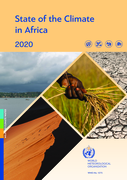
Climate change triggers mounting food insecurity, poverty and displacement in Africa
Following the 2014 Euromaidan Revolution, Ukraine embarked on a national reform program to reduce widespread corruption within government. In the health sector, the government introduced several complementary reforms that aimed to improve the health outcomes of Ukrainian citizens, but designed in su
...

Managers Who Lead empowers health managers at all levels of an organization to lead teams to face challenges and achieve results. It answers questions such as: How can I lead and manage more effectively? How do I create a shared vision and a clear path for achieving it? What can I do to improve work
...
The power relations around global decisions which shape population health can be changed through new alliances and information flows. The Democratising Global Health Governance Initiative, of which WHO Watch is a project, is designed to contribute to improved population health (and health equity) th
...
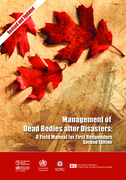
Management of Dead Bodies After Disasters: A Field Manual For First Responders. Second Edition
recommended
Proper and dignified management of the dead in disasters is one of the three key pillars of humanitarian response and a fundamental factor in facilitating identification of the deceased and helping families discover the fate of their loved ones. This second and updated edition of this hugely success
...
The Good Enough Guide
recommended
A set of basic guidelines on how to be accountable to local people and measure program impact in emergency situations. The "good enough" approach emphasizes simple and practical solutions and encourages the user to choose tools that are safe, quick, and easy to implement
Snakebites are well-known medical emergencies in many parts of the world, especially in rural areas. Agricultural workers and children are the most affected. The incidence of snakebite mortality is particularly high in South-East Asia. Rational use of snake anti-venom can substantially reduce mortal
...
Emergencies, in spite of their tragic nature and adverse effects on mental health, are unparalleled opportunities to build better mental health systems for all people in need. This WHO publication shows how this was done in 10 diverse emergency-affected areas
The Atlas of health and climate is a product of this unique collaboration between the meteorological and public health communities. It provides sound scientific information on the connections between weather and climate and major health challenges. These range from diseases of poverty to emergencies
...
A review of policy and practice; zero Hunger Phase 1
The report offers an overview of the progress the humanitarian sector has made and the obstacles it has faced over the past 10 years. Accountability is no longer just a fashionable term, there is now a shared understanding of what it takes to be accountable. From changes at policy level, to concrete
...
