
Filter
1813
Featured
172
557
Language
1733
44
30
30
24
18
12
6
3
2
2
2
2
2
2
2
2
1
1
1
1
1
1
1
1
1
1
1
1
1
1
1
1
Document type
1047
306
178
108
83
34
24
23
4
3
2
1
Countries
102
57
51
48
45
42
42
41
40
38
36
36
29
27
24
24
22
21
19
18
18
17
16
15
15
14
14
14
13
13
12
12
11
11
10
9
9
9
8
8
8
8
7
7
7
7
7
7
6
6
6
6
5
5
5
5
5
5
4
4
4
3
3
3
3
2
2
2
2
2
2
2
2
2
2
2
2
2
2
2
1
1
1
1
1
1
1
1
1
1
1
1
1
1
1
1
1
1
1
1
1
1
1
1
Authors & Publishers
220
92
91
75
66
52
51
38
37
33
20
15
13
11
10
10
10
10
9
8
8
8
8
7
7
7
7
7
7
6
6
6
6
6
6
5
5
5
5
5
5
5
5
5
5
5
5
4
4
4
4
4
4
4
4
4
4
4
4
4
4
4
4
3
3
3
3
3
3
3
3
3
3
3
3
3
3
3
3
3
3
3
3
3
3
3
3
3
3
3
3
3
3
3
3
3
3
2
2
2
2
2
2
2
2
2
2
2
2
2
2
2
2
2
2
2
2
2
2
2
2
2
2
2
2
2
2
2
2
2
2
2
2
2
2
2
2
2
2
2
2
2
2
2
2
2
2
2
2
2
2
2
2
2
2
2
2
2
2
2
2
2
2
2
2
2
2
2
2
2
2
2
2
2
2
2
2
2
2
2
2
2
2
2
2
2
2
2
2
2
2
2
2
2
2
2
2
2
2
2
2
2
2
2
2
2
2
2
2
2
2
2
2
2
2
2
2
2
2
2
2
2
1
1
1
1
1
1
1
1
1
1
1
1
1
1
1
1
1
1
1
1
1
1
1
1
1
1
1
1
1
1
1
1
1
1
1
1
1
1
1
1
1
1
1
1
1
1
1
1
1
1
1
1
1
1
1
1
1
1
1
1
1
1
1
1
1
1
1
1
1
1
1
1
1
1
1
1
1
1
1
1
1
1
1
1
1
1
1
1
1
1
1
1
1
1
1
1
1
1
1
1
1
1
1
1
1
1
1
1
1
1
1
1
1
1
1
1
1
1
1
1
1
1
1
1
1
1
1
1
1
1
1
1
1
1
1
1
1
1
1
1
1
1
1
1
1
1
1
1
1
1
1
1
1
1
1
1
1
1
1
1
1
1
1
1
1
1
1
1
1
1
1
1
1
1
1
1
1
1
1
1
1
1
1
1
1
1
1
1
1
1
1
1
1
1
1
1
1
1
1
1
1
1
1
1
1
1
1
1
1
1
1
1
1
1
1
1
1
1
1
1
1
1
1
1
1
1
1
1
1
1
1
1
1
1
1
1
1
1
1
1
1
1
1
1
1
1
1
1
1
1
1
1
1
1
1
1
1
1
1
1
1
1
1
1
1
1
1
1
1
1
1
1
1
1
1
1
1
1
1
1
1
1
1
1
1
1
1
1
1
1
1
1
1
1
1
1
1
1
1
1
1
1
1
1
1
1
1
1
1
1
1
1
1
1
1
1
1
1
1
1
1
1
1
1
1
1
1
1
1
1
1
1
1
1
1
1
1
1
1
1
1
1
1
1
1
1
1
1
1
1
1
1
1
1
1
1
1
1
1
1
1
1
1
1
1
1
1
1
1
1
1
1
1
1
1
1
1
1
1
1
1
1
1
1
1
1
1
1
1
1
1
1
1
1
1
1
1
1
1
1
1
1
1
1
1
1
1
1
1
1
1
1
1
1
1
1
1
1
1
1
1
1
1
1
1
1
1
1
1
1
1
1
1
1
1
1
1
1
1
1
1
1
1
1
1
1
1
1
1
1
1
1
1
1
1
1
1
1
1
1
1
1
1
1
1
1
1
1
1
1
1
1
1
1
1
1
1
1
1
1
1
1
1
1
1
1
1
1
1
1
1
1
1
1
1
1
1
1
1
1
1
1
1
1
1
1
1
1
1
1
1
1
1
1
1
1
1
1
1
1
1
1
1
1
1
1
1
1
1
1
1
1
1
1
1
1
1
1
1
1
1
1
1
1
1
1
1
1
1
1
1
1
1
1
1
1
1
1
1
1
1
1
1
1
1
1
1
1
1
1
1
1
1
1
1
1
1
1
1
1
1
1
1
1
1
1
1
1
1
1
1
1
1
1
1
1
1
1
1
1
1
1
1
1
1
1
1
1
1
1
1
1
1
1
1
1
1
1
1
1
1
1
1
1
1
1
1
1
1
1
1
1
1
1
1
1
1
1
1
1
1
1
1
1
1
1
1
1
1
1
1
1
1
1
1
1
1
1
1
1
1
1
1
1
1
1
1
1
1
1
1
1
1
1
1
1
1
1
1
1
1
1
1
1
1
1
1
1
1
1
1
1
1
1
1
1
1
1
1
1
1
1
1
1
1
1
1
1
1
1
1
1
1
1
1
1
1
1
1
1
1
1
1
1
1
1
1
1
1
1
1
1
1
1
1
1
1
1
1
1
1
1
1
1
1
1
1
1
1
1
1
1
1
1
1
1
1
1
1
1
1
1
1
1
1
1
1
1
1
1
1
1
1
1
1
1
1
1
1
1
1
1
1
1
1
1
1
1
1
1
1
1
1
1
1
1
1
1
1
1
1
1
1
1
1
1
1
1
1
1
1
1
1
1
1
1
1
1
1
1
1
1
1
1
1
1
1
1
1
1
1
1
1
1
1
1
1
1
1
1
1
1
1
1
1
1
1
1
1
1
1
1
1
1
1
1
1
1
1
1
1
1
1
1
1
1
1
1
1
1
1
1
1
1
1
1
1
1
1
1
1
1
1
1
1
1
1
1
1
1
1
1
1
1
1
1
1
1
1
1
1
1
1
1
1
1
1
1
1
1
1
1
1
1
1
1
1
1
1
1
1
1
1
1
1
1
1
1
1
1
1
1
1
1
1
1
1
1
1
1
1
1
1
1
1
1
1
1
1
1
1
1
1
1
1
1
1
1
1
1
1
1
1
1
1
1
1
1
1
1
1
1
1
1
1
1
1
1
1
1
1
1
1
1
1
1
1
1
1
1
1
1
1
1
1
1
1
1
1
1
1
1
1
1
1
1
1
1
1
1
1
1
1
1
1
1
1
1
1
1
1
1
1
1
1
1
1
1
1
1
1
1
1
1
1
1
1
1
1
1
1
1
1
1
1
1
1
1
1
1
1
1
1
1
1
1
1
1
1
1
1
1
1
1
1
1
1
1
1
1
1
1
1
1
1
1
1
1
1
1
1
1
1
1
1
1
1
1
1
1
1
1
1
1
1
1
1
1
1
1
1
1
1
1
1
1
1
1
1
1
1
1
1
1
1
1
1
1
1
1
1
1
1
1
1
1
1
1
1
1
1
1
1
1
1
1
1
1
1
1
1
1
1
1
1
1
1
1
1
1
1
1
1
1
1
1
1
1
1
1
1
1
1
1
1
1
1
1
1
1
1
1
1
1
1
1
1
1
1
1
1
1
1
1
1
1
1
1
1
1
1
1
1
1
1
1
1
1
1
1
1
1
1
1
1
1
1
1
1
1
1
1
1
1
1
1
1
1
1
1
1
1
1
1
1
1
1
1
1
1
1
1
1
1
1
1
1
1
1
1
1
1
1
1
1
1
1
1
1
1
1
1
1
1
1
1
1
1
1
1
1
1
1
1
1
1
1
1
1
1
1
1
1
1
1
1
1
1
1
1
1
1
1
1
1
1
1
1
1
1
1
1
1
1
1
1
1
1
1
1
1
1
1
1
1
1
1
1
1
1
1
1
1
1
1
1
1
1
1
1
1
1
1
1
1
1
1
1
1
1
1
1
1
1
1
1
1
1
1
1
1
1
1
1
1
1
1
1
1
1
1
1
1
1
1
1
1
1
1
1
1
1
1
1
1
1
1
1
1
1
1
1
1
1
1
1
1
1
1
1
1
1
1
1
1
1
1
1
1
1
1
1
1
1
1
1
1
1
1
1
1
1
1
1
1
1
1
1
1
1
1
1
1
1
1
1
1
1
1
1
1
1
1
1
1
1
1
1
1
1
Publication Years
457
1178
165
12
1
Category
626
189
128
109
99
40
6
4
Toolboxes
144
124
105
92
86
72
56
53
48
47
45
45
39
37
35
22
20
20
16
12
10
7
7
2
1
No Public Health without Refugee and Migrant health.
This report, the first of its kind, creates an evidence base with
...
the aim of catalysing progress towards developing and promoting migrant-sensitive health systems in the 53 Member States of the WHO European Region and beyond. This report seeks to illuminate the causes, conse-quences and responses to the health needs and challenges faced by refugees and migrants in the Region, while also providing a snapshot of the progress being made across the Region. Additionally, the report seeks to identify gaps that require further action through collaboration, to improve the collection and availability of high-quality data and to stimulate policy initiatives
more

The Report describes the evaluation of WHO's contribution to the Maternal
...
Health Program in South-East Asia Region. This was an independent evaluation conducted in 2015 by Amaltas, a Delhi based organization. The evaluation highlights the progress in five countries, namely Bangladesh, Indonesia, Myanmar, Nepal and Sri Lanka and provides specific recommendations for Organizational Learning and Development. This report will be useful for all those interested in WHO's work on Maternal Health Program in the Region.
more
Treat diarrhoea, confirmed malaria, and fast breathing
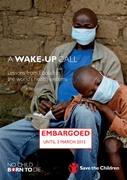
A Wake-Up Call: Lessons from Ebola for the world’s health systems
recommended
Save the Children
(2015)
Almost 30 countries vulnerable to a new Ebola-style Epidemic, jeopardising the future of millions of Children. The report ranks
...
the world’s poorest countries on the state of their public health systems, finding that 28 have weaker defences in place than Liberia where, alongside Sierra Leone and Guinea, the current Ebola crisis has already claimed 9,000 lives, and provoked an extraordinary international response to help contain it.
more

The report reflects on the trends, achievements and challenges in global health over the past de
...
cade during which Dr Margaret Chan has been Director-General of WHO. It discusses the role of WHO in dealing with such issues as the rise of noncommunicable diseases, leaps in life expectancy, and emerging threats like climate change and antimicrobial resistance.
more
more
COMPENDIUM of health system responses to large-scale migration in the WHO European Region
recommended
The scale of international migration in the WHO European Region has increased substantially in the
...
last decade. The dynamics of large-scale migration pose specific challenges and opportunities to health systems, and responses will differ from country to country. Strengthening health system responses is one of the priority areas in the 2016 Strategy and action plan for refugee and migrant health in the WHO European Region. Its agreed actions include the identification and mapping of practices for developing and delivering health services that respond to the needs of refugees, asylum seekers and migrants. This compendium aims to collect and present some of these practices in the form of case studies. Selected in 2016, the case studies reflect experience from different levels of administration in a variety of European countries, and during the different phases of the migration journey.
more

Understanding the Climate Change and Health Interface
The One UN Climate Change Learning Partnership (UN CC:Learn)
World Health Organization WHO
(2013)
C_WHO
Resource Guide for Advanced Learning

The Commission on Macroeconomics and Health (CMH) was established by World Health
...
Organization Director-General Gro Harlem Brundtland in January 2000 to assess the place of health in global economic development. Although health is widely understood to be both a central goal and an important outcome of development, the importance of investing in health to promote economic development and poverty reduction has been much less appreciated. We have found that extending the coverage of crucial health services, including a relatively small number of specific interventions, to the world’s poor could save millions of lives each year, reduce poverty, spur economic development, and promote global security.
more
This new publication presents the continuing and emerging challenges to children’s environmental health.
Progress Report
Health Statistics in the Western Pacific Region 2023: Monitoring health for the SDGs is
...
the third biennial report providing an overview of the progress of the World Health Organization (WHO) Western Pacific Region towards the health-related Sustainable Development Goal (SDG) targets. This edition also serves as a baseline assessment for the implementation of the global WHO Fourteenth General Programme of Work 2025–2028 (GPW14) within the Western Pacific Region and the for the Regional Vision “Weaving Health for Families, Communities, and Societies of the Western Pacific Region: Working Together to Improve Health, Well-Being and Save Lives”.
more
This analytical report reviews and discusses the potential role and influence of political commitment in implementing endorsements and conducting policy in the field of tuberculosis (TB) prevention
...
and care. It promotes discussion by comparing and analysing the extent to which selected international commitments, set out in declarations and other committal documents between 2000 and 2018, may have translated into sustainable action. This reflection is relevant and timely, as the United Nations high-level meeting (UNHLM) on TB recently took place, offering countries the opportunity to take stock of progress made, refocus efforts, and step up global commitments to achieve the United Nations Sustainable Development Goal of eliminating TB by 2030
more

World report on child injury prevention
World Health Organization (WHO), the United Nations Children’s Fund (UNICEF)
Peden, Margie et al.
(2008)
C_WHO
Every year, around 830 000 children die from unintentional or "accidental" injuries. The vast majority of these injuries occur in low-income and middle-income countries. However, dozens of preventio
...
n strategies and programmes exist. If they were integrated into other child survival programmes and implemented on a larger scale, many of these deaths and much of the injury-related disability could be prevented.
The report documents the magnitude, risks and prevention measures for child injuries globally –particularly for drowning, burns, road traffic injuries, falls and poisoning. more
The report documents the magnitude, risks and prevention measures for child injuries globally –particularly for drowning, burns, road traffic injuries, falls and poisoning. more
This publication is a compendium of 49 country examples highlighting efforts in improving refugees’ and migrants’ health following the adoption of the
...
WHO Global Action Plan on Promoting the health of refugees and migrants at the seventy-second World Health Assembly, in May 2019.
more

The WHO Framework Convention on Tobacco Control (WHO FCTC) is an evidence-based treaty that reaffirms the right of all people to
...
the highest standard of health and was developed in response to the globalization of the tobacco epidemic. Member States of the WHO South-East Asia Region have made attempts to implement the demand and supply reduction strategies for tobacco control as recommended by the treaty. While recognizing the need to accelerate implementation of the WHO FCTC in the Region, this document has been developed to support the Member States in implementing the treaty using a ‘PRACTICAL’ Approach which pertains to identified demand and supply reduction strategies under the treaty.
more
Outstanding child and adolescent TB priorities include the need to: find the missing children with active TB and link them to TB care; prevent TB i
...
n children who are in contact with infectious TB cases (through implementation of active contact investigation and provision of preventive treatment); and advance integration within general child health services, including maternal and child health/ reproductive, maternal, newborn, child and adolescent health, HIV, nutrition and other programmes.
more
The seventh WHO Report on the global tobacco epidemic analyses national efforts to implement the
...
most effective measures from the WHO Framework Convention on Tobacco Control (WHO FCTC) that are proven to reduce demand for tobacco.
The report showed that while only 23 countries have implemented cessation support policies at the highest level, 116 more provide fully or partially cost-covered services in some or most health facilities, and another 32 offer services but do not cost-cover them, demonstrating a high level of public demand for support to quit.
Tobacco use has also declined proportionately in most countries, but population growth means the total number of people using tobacco has remained stubbornly high. Currently, there are an estimated 1.1 billion smokers, around 80% of whom live in low- and middle-income countries (LMICs).
more
