
Filter
30
Text search:
80,000
hours
Featured
Recommendations
1
New Publications
1
Language
Document type
No document type
12
Studies & Reports
7
Strategic & Response Plan
5
Manuals
3
Guidelines
2
Fact sheets
1
Countries / Regions
Global
3
India
2
Somalia
2
Ethiopia
1
Uganda
1
Haiti
1
Philippines
1
South Sudan
1
Syria
1
Tanzania
1
Indonesia
1
Sudan
1
Ukraine
1
Yemen
1
Asia
1
Africa
1
Djibouti
1
Uzbekistan
1
Authors & Publishers
Publication Years
Category
Countries
7
Clinical Guidelines
5
Key Resources
1
Toolboxes
HIV
5
COVID-19
4
Mental Health
2
Specific Hazards
2
Caregiver
2
Planetary Health
2
Ebola
1
Polio
1
Natural Hazards
1
Refugee
1
TB
1
Global Health Education
1
AMR
1
Pharmacy
1
This page presents all our content related to COVID-19. It aims to: 1. Help people who want to understand or work on COVID-19 right now. 2. Help people who are considering biosecurity careers longer term.
This page will focus on leveraged opportunities in research, policy, technology and startups.
...
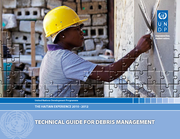
The building damage assessment, conducted between March 2010 and February 2011 by the Government of Haiti and the United Nations system, showed that more than 400,000 buildings were damaged or destroyed, of which approximately 218,000 could be occupied without repairs (green category), 105,000 were
...
Since February 24th, 2022, the beginning of Russia’s aggression against Ukraine, more than 80,000 women were expected to give birth. Therefore, understanding the impact of war on the perinatal hea
...
The WHO operational handbook on tuberculosis: tuberculosis preventive treatment is the companion, implementation guide to the 2020 WHO guidelines on TB preventive treatment.[1] Just as these guidelines are the first to be released under the rubric of the WHO consolidated TB guidelines, this handbook
...
This course describes the health effects of war, weapons and strategies of violent conflict. Beginning with weapons of mass destruction it then moves on to other weapons and strategies of war such as the use of landmines and mass rape. The course concludes with a number of lessons which give an hist
...
Accessed: 07.11.2019
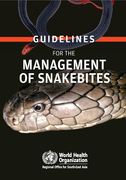
Snakebites are well-known medical emergencies in many parts of the world, especially in rural areas. Agricultural workers and children are the most affected. The incidence of snakebite mortality is particularly high in South-East Asia. Rational use of snake anti-venom can substantially reduce mortal
...

This progress report reflects achievements made during the first year of implementation (through December 2016), as countries have taken actions in line with new or existing national strategies. The most recent data on country progress in 2016 are based on country-reported data and country-developed
...
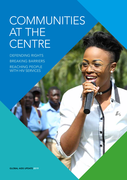
Defending Rights
Breaking Barriers
Reaching People with HIV Services
Global Aids Update 2019
Community-based strategies play a significant role in many health systems in low- and middle-income countries, especially in light of critical shortages in the health workforce. The term community health worker has been used to refer to volunteers and salaried, professional or lay health workers wit
...
The Strategy to respond to antimalarial drug resistance in Africa is a technical and advocacy document, grounded in the best available evidence to date and aimed at minimizing the threat and impact of antimalarial drug resistance of Plasmodium falciparum parasites in Africa. Its objectives are to: i
...
Nearly 260 000 people died in parts of Somalia between October 2010 and April 2012, including
133 000 children under five during the famine and food crisis in Somalia making it the worst famine in history.
A study commissioned and funded by the Food and Agriculture Organization of the United Natio
...
FAO’s component of the Global COVID-19 Humanitarian Response Plan
18.5.2020
These guidelines provide specific recommendations and expert suggestions — for national policy-makers and programme managers and their partners and stakeholders— on prioritizing, planning and providing HIV testing, counselling, treatment and care services for adolescents
The purpose of the WHO Manual for the Public Health Management of Chemical Incidents is to provide a comprehensive overview of the principles and roles of public health in the management of chemical incidents and emergencies. While this information is provided for each phase of the emergency cycle,
...
Recommendations for a Public Health approach and considerations for policy-makers and managers
