
Filter
29
Breadcrumb:
Leishmaniasis
Featured
2
2
Language
Document type
8
7
5
3
2
2
1
1
Countries
5
4
2
2
2
1
1
1
1
1
1
1
1
1
1
1
1
1
1
Authors & Publishers
Publication Years
Category
9
5
2
2
1
Toolboxes
8
8
7
6
5
2
1
1
1
1
No vaccines or drugs to prevent infection are available. The best way for travelers to prevent infection is to protect themselves from sand fly bites. To decrease the risk of being bitten, follow these preventive measures:
Avoid outdoor activities, especially from dusk to dawn, when sand flies ge
...
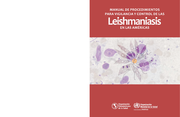
El manual tiene por objetivo ampliar los conocimientos sobre la enfermedad y aspira a ser una herramienta de trabajo para que el personal de salud y los equipos de gestión presten apoyo a los ministerios de salud en sus respectivos procesos de estructuración de los servicios de salud, así como en
...

1 billion people are at risk of infection with leishmaniasis, a neglected disease strongly linked to poverty. There’s no single, simple cure: current treatments are complex and need to be adapted to the form of the disease and geographical region.

Leishmaniasis is a parasitic disease caused by the Leishmania parasite. This parasite typically lives in infected sand flies. You can contract leishmaniasis from a bite of an infected sand fly.
The sand flies that carry the parasite typically reside in tropical and subtropical environments. Fatal
...
Cutaneous Leishmaniasis (CL) is a painful disease that exerts a serious toll on societies around the world that are afflicted by it. Although not life-threatening, the skin ulcers and scars it causes can lead to isolation and psychosocial pathologies due to social stigma, and its occurrence is often
...

Leishmaniasis is among the most neglected diseases. The most common form is cutaneous leishmaniasis that forms lesions on the skin.
The only treatment available for cutaneous leishmaniasis is highly toxic. In some cases, patients have died because of the treatment, even though cutaneous leishmania
...
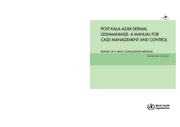
Rreport of a WHO Consultative Meeting Kolkata India 2012
National Guideline
La leishmaniasis es un problema creciente de salud pública en el contextomundial. En Colombia, la situación es de alarma debido al incremento de casos de leishmaniasis cutánea que se viene registrando desde 2003 y el cambio en el patrón epidemiológico dado por la aparición de nuevos focos, el
...
