
Filter
2854
Breadcrumb:
World Health Organization WHO
Featured
477
431
Language
Document type
663
587
380
301
260
135
89
87
84
81
79
76
17
10
5
Countries
251
88
50
45
42
37
36
34
33
31
28
26
22
22
21
20
20
20
20
19
19
19
17
17
16
15
15
15
14
12
12
12
11
11
10
10
9
9
8
8
7
7
6
6
6
6
5
5
5
5
5
4
4
4
4
4
4
4
4
4
4
4
4
4
3
3
3
3
3
3
3
3
3
3
3
3
3
3
3
3
3
2
2
2
2
2
2
2
2
2
2
2
2
2
2
2
2
2
2
1
1
1
1
1
1
1
1
1
1
1
1
1
1
1
1
1
Authors & Publishers
Publication Years
Category
170
133
81
61
58
54
52
50
48
46
42
35
32
32
31
31
31
29
28
27
27
26
26
25
25
25
22
22
22
19
19
19
19
18
18
17
17
17
16
16
15
14
14
13
13
13
13
12
12
12
12
12
12
12
11
11
11
11
11
10
10
10
10
10
9
9
9
9
8
8
8
8
7
7
7
6
6
6
6
6
6
6
6
5
5
5
5
5
5
5
5
5
5
4
4
4
4
4
4
4
4
3
3
3
3
3
3
2
2
2
2
2
2
2
2
2
2
2
2
2
2
2
1
1
1
1
1
1
1
1
1
1
1
1
1
1
1
1
1
1
1
1
Toolboxes
89
86
74
55
50
48
38
38
38
38
38
35
35
32
31
31
31
30
30
29
28
27
27
26
25
25
24
22
21
21
21
20
20
20
20
19
18
18
18
18
18
17
16
16
16
16
16
15
15
15
15
14
14
14
14
14
14
14
14
14
14
14
13
13
13
13
13
13
13
13
13
13
13
13
12
12
12
12
12
12
12
12
12
12
12
11
11
11
11
11
11
11
11
11
11
11
11
10
10
10
10
10
10
10
10
10
10
10
10
10
10
10
10
10
10
9
9
9
9
9
9
9
9
9
9
9
9
9
9
9
9
9
9
9
9
8
8
8
8
8
8
8
8
8
8
8
8
8
8
8
8
8
8
8
8
8
8
8
8
8
7
7
7
7
7
7
7
7
7
7
7
7
7
7
7
7
7
7
7
7
7
7
7
7
7
7
7
7
7
7
7
7
7
6
6
6
6
6
6
6
6
6
6
6
6
6
6
6
6
6
6
6
6
6
6
6
6
6
6
6
6
6
6
6
6
6
6
6
6
6
6
6
5
5
5
5
5
5
5
5
5
5
5
5
5
5
5
5
5
5
5
5
5
5
5
5
5
5
5
5
5
5
5
5
5
5
5
5
5
5
5
5
5
5
5
5
5
5
4
4
4
4
4
4
4
4
4
4
4
4
4
4
4
4
4
4
4
4
4
4
4
4
4
4
4
4
4
4
4
4
4
4
4
4
4
4
4
4
4
4
4
4
4
4
4
4
4
4
4
4
4
4
4
4
4
4
4
4
4
4
3
3
3
3
3
3
3
3
3
3
3
3
3
3
3
3
3
3
3
3
3
3
3
3
3
3
3
3
3
3
3
3
3
3
3
3
3
3
3
3
3
3
3
3
3
3
3
3
3
3
3
3
3
3
3
3
3
3
3
3
3
3
3
3
3
3
2
2
2
2
2
2
2
2
2
2
2
2
2
2
2
2
2
2
2
2
2
2
2
2
2
2
2
2
2
2
2
2
2
2
2
2
2
2
2
2
2
2
2
2
2
2
2
2
2
2
2
2
2
2
2
2
2
2
2
2
2
2
2
2
2
2
2
2
2
2
2
2
2
2
2
2
2
2
2
2
2
2
2
2
2
2
2
2
2
2
2
2
2
2
2
2
2
2
2
2
2
2
2
2
2
2
2
2
2
2
2
2
2
2
1
1
1
1
1
1
1
1
1
1
1
1
1
1
1
1
1
1
1
1
1
1
1
1
1
1
1
1
1
1
1
1
1
1
1
1
1
1
1
1
1
1
1
1
1
1
1
1
1
1
1
1
1
1
1
1
1
1
1
1
1
1
1
1
1
1
1
1
1
1
1
1
1
1
1
1
1
1
1
1
1
1
1
1
1
1
1
1
1
1
1
1
1
1
1
1
1
1
1
1
1
1
1
1
1
1
1
1
1
1
1
1
1
1
1
1
1
1
1
1
1
1
1
1
1
1
1
1
1
1
1
1
1
1
1
1
1
1
1
1
1
1
1
1
1
1
1
1
1
1
1
1
1
1
1
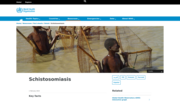
Schistosomiasis is an acute and chronic parasitic disease caused by blood flukes (trematode worms) of the genus Schistosoma. Estimates show that at least 251.4 million people required preventive treatment in 2021. Preventive treatment, which should be repeated over a number of years, will reduce and
...
In response to the devastating earthquakes impacting Türkiye and the Syrian Arab Republic, the World Health Organization delivered 72 metric tons of trauma and emergency surgery supplies, including treatments, to both countries to support ongoing response efforts.
A first charter flight depar
...
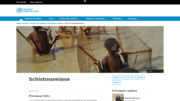
La schistosomiase est une parasitose aiguë et chronique provoquée par des vers (trématodes) du genre Schistosoma. Selon les estimations, au moins 251,4 millions de personnes avaient besoin d’un traitement préventif en 2021. Le traitement préventif, qui devrait être renouvelé pendant un cert
...
La esquistosomiasis es una enfermedad parasitaria aguda y crónica causada por duelas sanguíneas (trematodos) del género Schistosoma. Se calcula que al menos 251,4 millones de personas necesitaron tratamiento profiláctico en 2021. El tratamiento profiláctico, que se debería repetir durante algu
...
داء البلهارسيات هو مرض طفيلي حاد ومزمن تسبّبه الديدان المثقوبة الدموية (المثقوبات) من جنس البلهارسية. وتشير التقديرات إلى أن 251.4 مليون شخص على الأقل كانوا بحاجة إلى Ø
...
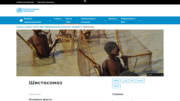
Шистосомоз является острой и хронической паразитарной болезнью, вызываемой кровяными сосальщиками (трематодными червями) из рода Schistosoma. В 2021 г. количество нуждаюÑ
...
There are 3 main forms of leishmaniases: visceral (the most serious form because it is almost always fatal without treatment), cutaneous (the most common, usually causing skin ulcers), and mucocutaneous (affecting mouth, nose and throat).
Leishmaniasis is caused by protozoan parasites which are tra
...

WHO promotes the inclusion of foodborne trematodiases among the targets of preventive chemotherapy interventions. With the aim of providing access to quality medicines, WHO has negotiated with Novartis Pharma AG whereby Novartis donates triclabendazole for the treatment of fascioliasis and paragonim
...
Mycetoma is a chronic, progressively destructive morbid inflammatory disease usually of the foot but any part of the body can be affected. Infection is most probably acquired by traumatic inoculation of certain fungi or bacteria into the subcutaneous tissue. Mycetoma was described in the modern l
...
As part of its 2019–2030 global strategy for the prevention and control of snakebite envenoming, WHO is launching a new Snakebite Information and Data Platform. This is the result of collaboration between the Departments of Control of Neglected Tropical Diseases (WHO/NTD) and Data Delivery for Imp
...
Rabies is a vaccine-preventable, zoonotic, viral disease affecting the central nervous system. Once clinical symptoms appear, rabies is virtually 100% fatal. In up to 99% of cases, domestic dogs are responsible for rabies virus transmission to humans. Yet, rabies can affect both domestic and wild an
...
Website last accessed on 18.03.2023
Website last accessed on 18.03.2023
The GHO data repository is WHO's gateway to health-related statistics for its 194 Member States. It provides access to over 1000 health topics indicators.
Website last accessed on 18.03.2023
Early detection of cases is critical to complete cure with combined antibiotics. In its late stages, Buruli ulcer causes severe destruction of the skin, leading to permanent disability. #BeatNTDs
Website - last accessed on 18.03.2023
Website last accessed on 18.03.2023
WHO often receives requests from Member States and implementing partners to provide training in capacity‐building in endemic areas in order to better equip health personnel to diagnose, treat and control the disease.
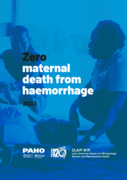
This brochure contains the most relevant information on the Zero Maternal Deaths from Haemorrhage initiative, promoted by CLAP/PAHO.
Website last accessed on 31.03.2023
Le chikungunya a été identifié pour la première fois en Tanzanie en 1952. Depuis 2004, on constate une propagation rapide du virus du chikungunya, ce dernier ayant été détecté dans plus de 60 pays.
Website last accessed on 31.03.2023
Chikungunya was first identified in Tanzania in 1952. Since 2004, there has been a rapid spread of the chikungunya virus, which has been detected in over 60 countries.

Website last accessed on 31.03.2023
El chikungunya se identificó por primera vez en Tanzania en 1952. Desde 2004, se ha producido una rápida propagación del virus chikungunya, que se ha detectado en más de 60 países.
