
Filter
329
Breadcrumb:
UNAIDS
Featured
15
65
Language
Document type
199
59
24
22
11
9
2
2
1
Countries
8
8
7
6
6
5
5
5
4
4
4
4
3
3
3
3
3
2
2
2
2
2
2
2
2
2
2
2
2
2
2
1
1
1
1
1
1
1
1
1
1
1
1
1
1
1
1
1
1
1
1
1
1
1
1
1
1
1
1
1
1
1
1
1
Authors & Publishers
Publication Years
Category
47
24
10
7
4
4
3
2
2
2
1
1
1
1
1
1
1
1
1
Toolboxes
40
29
29
27
24
23
22
18
17
14
12
11
11
11
8
8
7
6
6
6
6
6
5
5
4
4
4
4
4
4
4
4
3
3
3
3
3
3
3
3
3
3
3
3
3
3
3
2
2
2
2
2
2
2
2
2
2
1
1
1
1
1
1
1
1
1
1
1
1
1
1
1
1
1
1
1
1
1
1
1
1
1
1
1
1
1
1
1
1
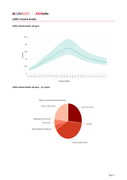
Accessed: 20.10.2019
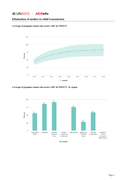
Accessed: 20.10.2019
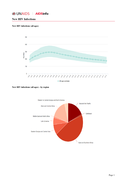
Accesseds: 20.10.2019
Accessed: 20.10.2019
From passive beneficiaries to active agents of change
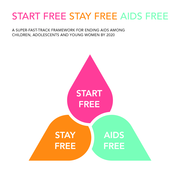
A super-fast-track Framework for ending AIDS among children, adolescents and young women by 2020
Accessed: 02.11.2019
Accessed: 07.11.2019
World AIDS Day 2019
Inter-Agency Task Team on HIV and Young People
Guidance Brief
Accessed: 09.11.2019
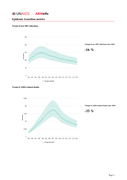
Accessed: 17.11.2019
Accessed: 17.11.2019
UNAIDS | 2016–2021 Strategy
Accessed: 20.11.2019
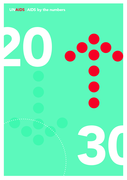
In 2018: 54% of new HIV infections were among key populations and their sexual partners, 40% decrease in new HIV infections since the peak in 1997, 37.9 million people living with HIV in the world, 1 700 000 children living with HIV (under 15 years)
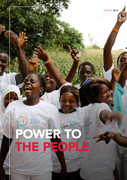
The report shows that where people and communities living with and affected by HIV are engaged in decision-making and HIV service delivery, new infections decline and more people living with HIV gain access to treatment. When people have the power to choose, to know, to thrive, to demand and to work
...
Guidance
Indicators for monitoring the 2016 Political Declaration on Ending AIDS
UNAIDS Joint United Nations Programme on HIV/AIDS
Tuberculosis (TB) is the leading cause of illness and death among people living with HIV. TB can be cured.
