
Filter
16
Countries:
Kenya
Language
Document type
5
3
3
2
1
1
1
Countries
16
7
6
6
4
2
1
1
1
1
1
1
1
1
1
1
1
1
1
1
1
1
1
1
1
1
1
1
1
1
1
1
1
1
1
Authors & Publishers
Publication Years
Toolboxes
4
1
These guidelines provide a clear framework for child-centred emergency preparedness, response and recovery. They are intended for use by state and non-state actors directly involved in interventions, as well as other stakeholders whose work may contribute to the overall safety and well-being of chil
...
very woman has the right to the highest attainable standard of health, which includes the right to dignified, respectful health care.
Many women experience disrespectful and abusive treatment during childbirth in facilities worldwide. Such treatment not only violates the rights of women to respectf
...
The coronavirus disease 2019 (COVID-19) pandemic has created a global and gendered crisis that is compounding existing inequalities and disproportionately affecting girls and women. Emerging evidence from the COVID-19 crisis in 2020 shows school closures, disruptions in essential services and rising
...
The coronavirus disease 2019 (COVID-19) pandemic has created a global and gendered crisis that is compounding existing inequalities and disproportionately affecting girls and women. Emerging evidence from the COVID-19 crisis in 2020 shows school closures, disruptions in essential services and rising
...
This film explains the importance of antenatal care and in particular, the principles of ‘focused antenatal care’ (FANC). It describes what is involved in the four visits that make up FANC, including taking a patient’s history, examinations, checks and giving information.
This film is for u
...
This film explains what antenatal care is and why it is important for the mother and baby. It explains the importance of attending 4 antenatal sessions before the baby is born and what should happen at each session.
This film is for use in community health education.
The purpose of the programme is to build capacity within the public health sector in the field of reproductive, maternal and newborn health. The programme is an on-line training programme including modules on Quality Improvement, Leadership and Management and a Practical project module when the part
...
The first clinical series is on newborn care and will consist of brief vignettes that “bring to life” internationally accepted newborn care guidelines
Available in different languages
Kenya is home to 4 million girls and women who have experienced FGM. Overall, 21 per cent of girls and women aged 15 to 49 years have undergone the practice, varying from 98 per cent in the North Eastern region to 1 per cent in the Western region
These statistical profiles present the latest available data on female genital mutilation (FGM) for 31 countries where FGM is concentrated. They provide figures on how widespread the practice of FGM is, when and how it is performed, and what women and men think about the practice. Trends in prevale
...
1.1 Why this course is needed
The first few hours and days of a newborn baby’s life are a critical window for establishing breastfeeding and for providing mothers with the support they need to breastfeed successfully. Since 1991, the Baby-friendly Hospital Initiative (BFHI) has helped to motivate
...
Available in English, French and Spanish
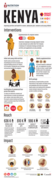
In recognition that Female Genital Mutilation (FGM) is not only a harmful practice but a violation of human rights, Kenya has adopted a robust legal framework. The country has ratified several international legal instruments that have become part of the Kenyan law as provided for in Article 2 of the
...
This leaflet aims at guiding health workers though the very first days of an outbreak. It addresses the following questions:
Is this the beginning of an outbreak?
Is the patient suffering from cholera or shigella?
The leaflet also has sections on how to protect the community, how to t
...
