
Filter
391
Countries:
Global
Featured
1
Language
Document type
143
67
62
30
29
23
11
9
8
4
3
1
1
Countries
391
9
5
3
2
2
2
1
1
1
1
1
1
1
1
Authors & Publishers
Publication Years
Category
358
11
10
1
1
Diabetes is a serious, chronic disease that occurs either when the pancreas does not produce enough insulin (a hormone that regulates blood sugar, or glucose), or when the body cannot effectively use the insulin it produces. Diabetes is an important public health problem, one of four priority noncom
...
Type 2 diabetes mellitus (T2DM) is a chronic condition characterized by insulin resistance and an inability to properly regulate blood sugar levels. The two most important risk factors for T2DM are a family history of diabetes and obesity, though age, race, diet, and exercise level also impact risk.
...
The document "Diabetes in Pregnancy" by NICE (National Institute for Health and Care Excellence) outlines quality standards for managing diabetes in women during pregnancy, with a focus on five key areas. First, it emphasizes the importance of preconception planning for women of childbearing age wit
...
The document "Diabetes and Ramadan: Practical Guidelines 2021," published by Elsevier, provides updated guidance for managing diabetes during Ramadan fasting. Developed by the International Diabetes Federation (IDF) and the Diabetes and Ramadan (DAR) International Alliance, the guidelines address ke
...
There is no safe level of secondhand smoke exposure
Secondhand smoke can travel within multiunit housing and common areas through doorways, cracks in walls, electrical lines, ventilation systems and plumbing.
Opening windows and using fans does not completely remove secondhand smoke.
Heating, air
...
Secondhand smoke can infiltrate into other units through hallways and stairwells. Don’t be shy when it comes to your health. Talk to your building manager about making your apartment smokefree.
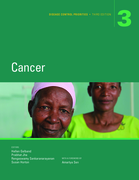
Volume 3, Cancer, presents the complex patterns of cancer incidence and death around the world and evidence on effective and cost-effective ways to control cancers. The DCP3 evaluation of cancer will indicate where cancer treatment is ineffective and wasteful, and offer alternative cancer care packa
...
The global epidemic of type 2 Diabetes Mellitus (T2DM) presents significant challenges to world health both in terms of financial costs as well as morbidity. Thus, considerable research has been focussed on the prevention or delay of the onset of T2DM.
Type 2 Diabetes Mellitus (T2DM) is one of the
...
The article discusses the significant impact of chronic obstructive pulmonary disease (COPD) as a global health issue, with cigarette smoking as the main risk factor. However, in developing countries, the causes of COPD are often multifactorial, involving environmental tobacco smoke, biomass fuel sm
...
Demographic and epidemiological transitions are changing the age structure of the population and the most common diseases. Non-communicable respiratory diseases are an increasing problem at both ends of the age range in low-income and middle-income countries. In children, who represent a large propo
...
Over the past 20 years, the Global Initiative for Asthma (GINA) has regularly published and annually updated a global strategy for asthma management and prevention that has formed the basis for many national guidelines. However, uptake of existing guidelines is poor. A major revision of the GINA r
...
This articel summarises the evidence base underpinning supported self-management for asthma. It provides clinicians with a practical approach to providing supported self-management for asthma and suggests an appropriate strategy for implementing supported self-management.
Secondhand smoke and the harmful chemicals in it are known causes of Sudden Infant Death Syndrome RESPIRATORY INFECTIONS, ear infections.and asthma attacks in infants and children. They are also known causes of HEART DISEASE,stroke, and lung cancer in adult nonsmokers.
Diabetes is a major public health problem. The rising incidence of Diabetes Type 2 is related to the effects of urbanization and unhealthy lifestyles. Research studies show that healthy eating and regular physical activity can prevent or delay the onset of Diabetes Type 2, even in high-risk individu
...
This global status report on prevention and control of NCDs (2014), is framed around the nine voluntary global targets. The report provides data on the current situation, identifying bottlenecks as well as opportunities and priority actions for attaining the targets. The 2010 baseline estimates on N
...
The article provides a systematic analysis estimating the prevalence of Chronic Obstructive Pulmonary Disease (COPD) across Africa. It highlights the significant health burden COPD imposes on the continent, emphasizing varying prevalence rates influenced by factors such as tobacco smoking, exposure
...
The article discusses the education strategy of the International Primary Care Respiratory Group (IPCRG) for 2014–2020, focusing on building capacity to improve respiratory care globally. It highlights the significant burden of respiratory diseases and the role of primary care in addressing this i
...

This journal provides information about the definition of Asthma, about its measurement in populations, the global burden of disease and the outcomes of childhood Asthma. It continues with the causes and treatment options of Asthma, followed by an outlook into the future.
The Global Action Plan for the Prevention and Control of Noncommunicable Diseases 2013-2020 by the World Health Organization (WHO) outlines a comprehensive strategy to address the global rise in noncommunicable diseases (NCDs), including cardiovascular diseases, cancer, chronic respiratory diseases,
...
The "Global NCD action plan" provides a road map and a menu of policy options for countries to take in order to attain the 9 voluntary global targets, including that of a 25% relative reduction in premature mortality from cardiovascular diseases, cancer, diabetes or chronic respiratory diseases by 2
...
