Filter
892
Featured
152
1
Language
Document type
197
182
160
63
58
45
43
41
33
32
17
14
5
2
Countries
94
81
38
36
33
31
29
28
28
24
24
22
21
17
17
16
15
13
11
11
10
10
9
9
9
8
7
7
6
6
6
6
6
6
5
5
4
4
4
4
4
4
4
4
4
4
4
4
4
4
4
4
4
3
3
3
3
3
3
3
3
3
3
3
3
3
3
3
3
3
2
2
2
2
2
2
2
2
2
2
2
2
2
2
2
2
2
2
2
2
2
2
2
2
2
2
2
1
1
1
1
1
1
1
1
1
1
1
1
1
1
1
1
1
1
1
1
1
1
1
1
1
1
Authors & Publishers
Publication Years
Category
415
27
26
19
10
2
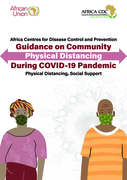
This guidance document addresses how physical distancing (referred to in previous guidance documents as ‘social distancing’) can help slow down transmission.
Here you can download animations about COVID-19 for information, community organising, broadcast or whatsapp groups in multiple languages for Africa and Asia.
All about COVID-19: Advice for Communities. What is coronavirus? How does it spread? How does hand washing and physical distancing help? Wha
...
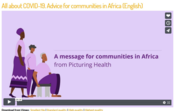
How does coronavirus (COVID-19) spread? What are the symptoms? Who is at risk? How can you protect yourself and your family? This short animation answers these questions. Local language versions are being prepared. To download for mobile phones and WhatsApp choose SD options. For laptop and desktop
...
How does coronavirus (COVID-19) spread? What are the symptoms? Who is at risk? How can you protect yourself and your family? This short animation, designed for a range of settings and in different languages, answers these questions.
Versions: Asia (English) | Asia (Hindi) | Asia (Tamil)
Une liste de 40 questions clés visant à aider les gouvernements à veiller au respect des droits humains dans leurs réponses à la pandémie
The Slum and Rural Health Initiative of Nigeria (SRHIN) has developed behavioural change communication messages on prevention of coronavirus in the form of easy-to-read infographics in over 70 local languages.
Although there are currently no data showing that COVID-19 affects pregnant people differently than others, we do know that pregnant people are at greater risk of getting sick from other respiratory viruses than people who are not pregnant. Sometimes, this causes adverse outcomes for the mother or c
...
CDC created this social media toolkit to help localize efforts in responding to the virus that causes COVID-19.
Los CDC crearon este kit de herramientas para los medios sociales con el fin de ayudar a localizar los esfuerzos de la respuesta a la enfermedad del coronavirus 2019 (COVID-19).
The following is a breakdown of key considerations to guide planning and resource allocation for COVID-19 preparedness and response to support UNHCR regional and country operations in Public Health, WASH, Shelter and Settlements programmes. While some of the activities are more relevant in camps or
...
Use this checklist to quickly remind yourself of the essential components of community engagement in your response, including when movement restrictions may be in place.
This guide is intended to support teams working directly with communities during the Covid-19 pandemic. It provides general guidance on community engagement during outbreak responses, including how to support an integrated response, as well as outbreak prevention and response.
Throughout the gestational period, it is important for obstetric health care facilities to strengthen health counselling, screening, and follow-ups for pregnant women, while incorporating screening, hand hygiene practice, good respiratory etiquette and infection prevention control precautions. These
...
UN human rights experts today called on States to protect the rights of migrants and their families, regardless of their migration status, during and after the COVID-19 pandemic.
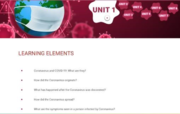
Corona Crash Course. App Version for Offline Use
recommended
A new virus, called the Coronavirus emerged in December 2019 and has spread to people around the world.
Jesuit Worldwide Learning invites you to learn facts and test your knowledge on the ongoing pandemic caused by Coronavirus (COVID 19) through a fun-interactive crash course!
Access is free! You
...
Scientific Brief, 30 June 2020